
Introduction
Hydraulic fracturing needs a lot of water close to the well. USGS reports that 2014 horizontal-well medians topped 4 million gallons per oil well and 5.1 million gallons per gas well. That water has to sit somewhere, and a poorly built containment can stall a job or cause a spill.
This guide defines frac ponds and explains their parts and liners. It covers installation, inspection and maintenance, then compares ponds with frac tanks and other water-management options. Requirements differ by state, so treat every number here as an example, not a universal standard.
Key Takeaways
- A frac pond is an engineered, usually in-ground, lined basin for fracturing fluids.
- Pick liners based on fluid chemistry, puncture and tear strength, UV, weather and project length.
- Freeboard, berms, slopes, anchors and penetrations matter as much as the liner.
- Flowback and produced water need a documented reuse, treatment, transfer or disposal plan.
What Is a Frac Pond?
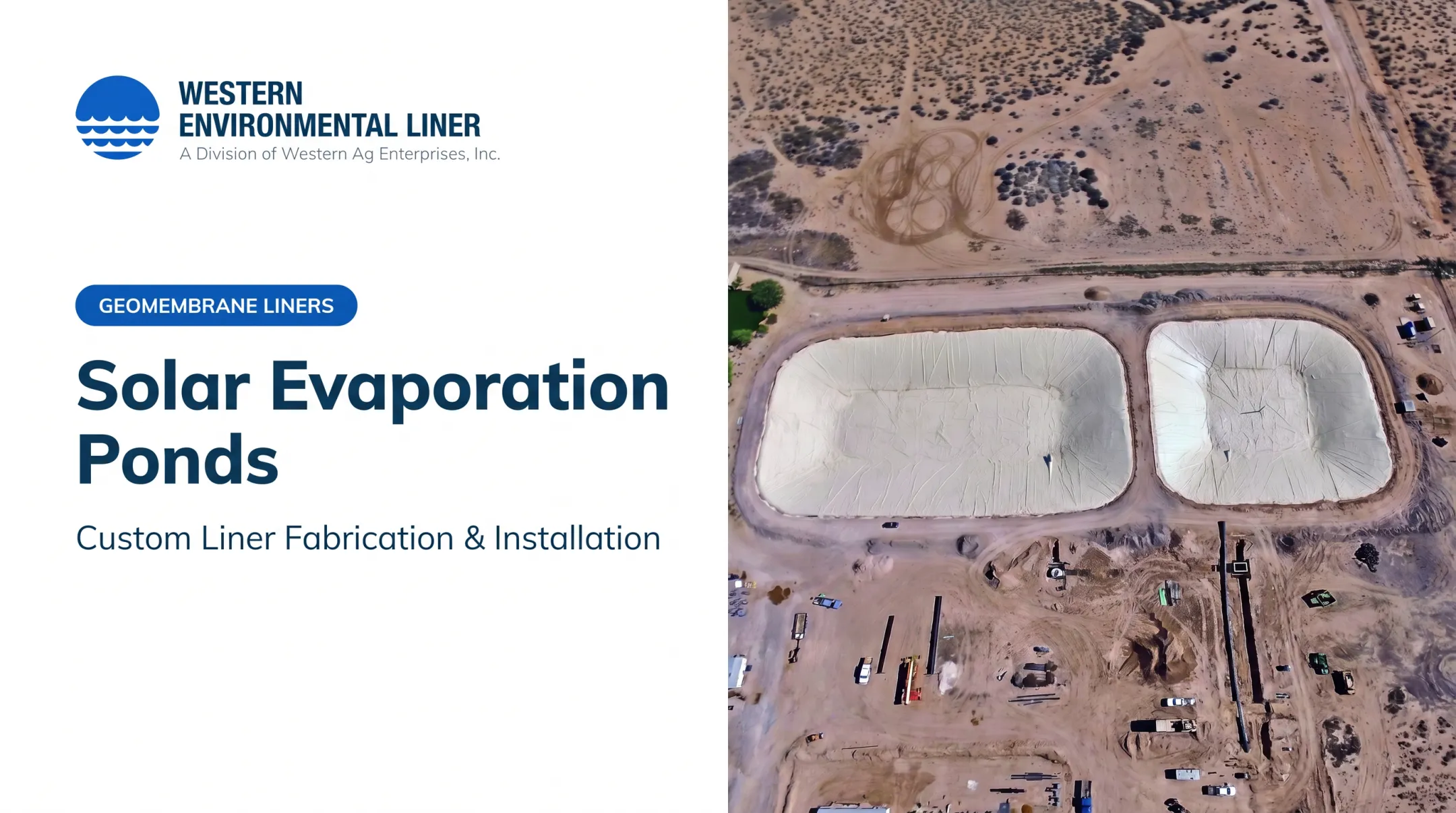
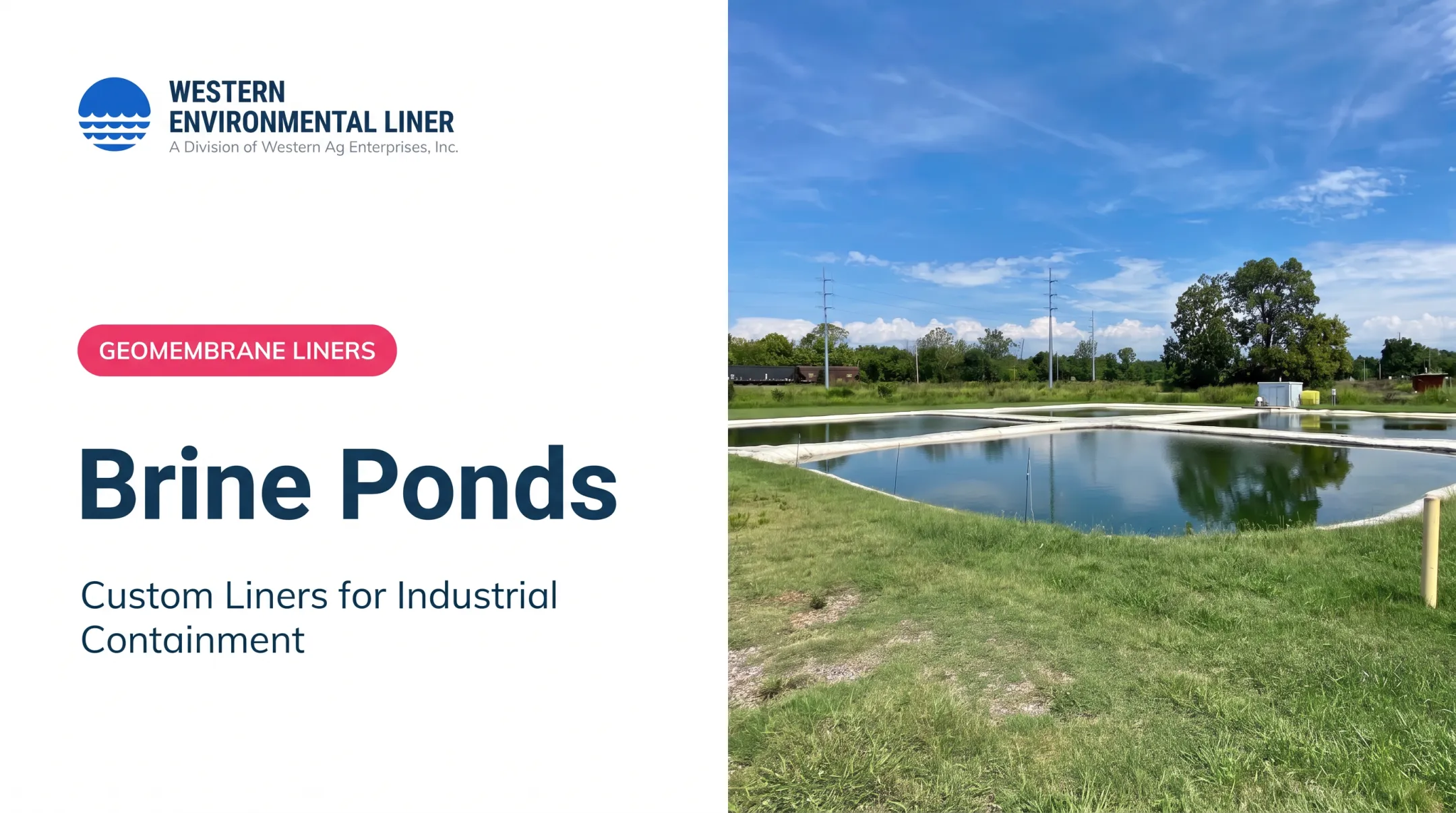
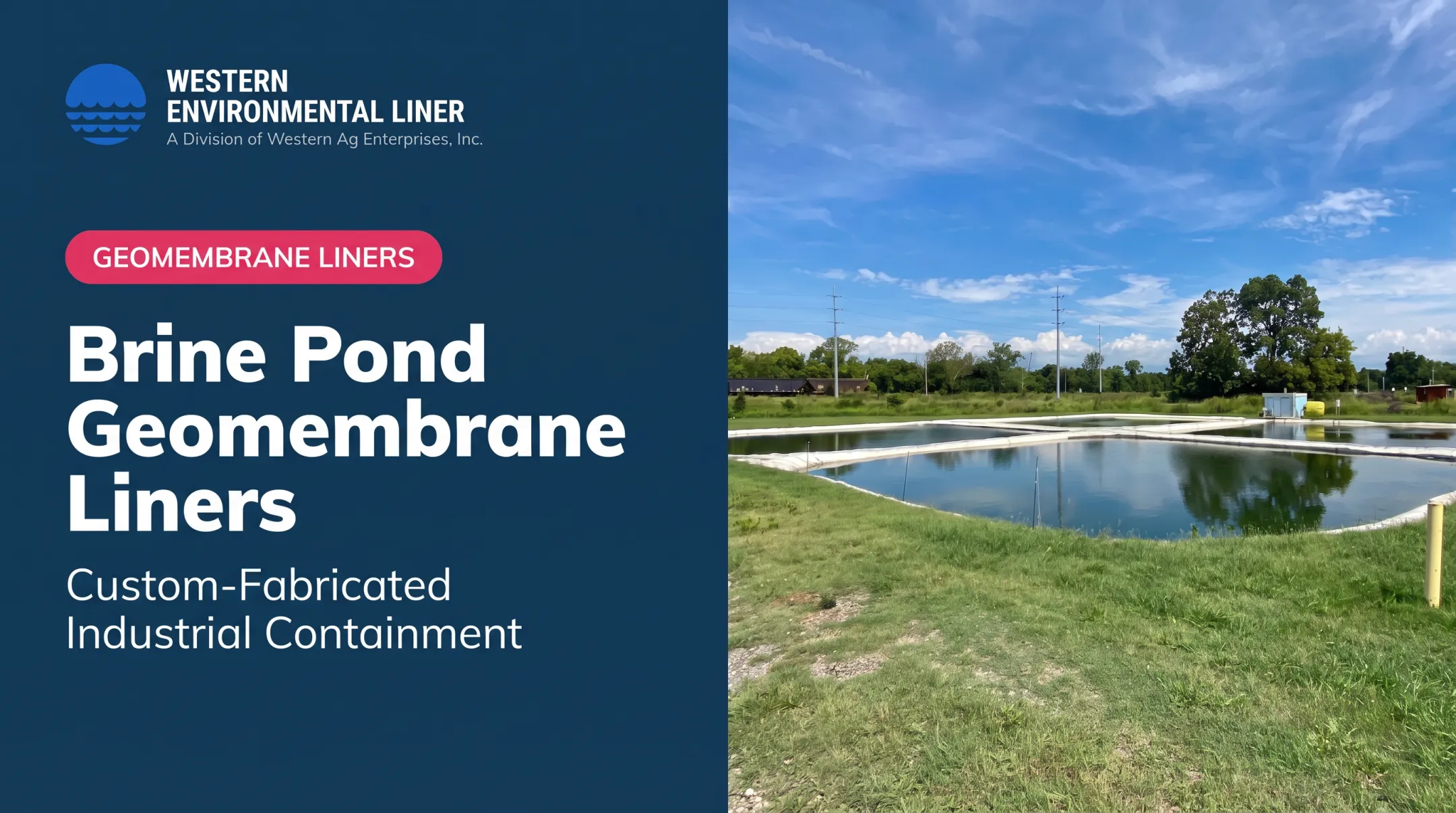
A frac pond is a purpose-built containment basin, usually excavated below grade and lined with an impermeable geomembrane. It holds water or fluids for fracturing operations. Near a well site, it supports staging, transfer and temporary storage while limiting seepage into soil and groundwater.
What Fluids Can a Frac Pond Hold?
Two fluid types matter most:
- Fresh water used to make fracturing fluid. USGS defines freshwater as less than 1,000 mg/L dissolved solids.
- Flowback and produced water that returns from the well. EPA's 2016 assessment found Marcellus produced-water salinity ranging from under 1,500 to over 300,000 mg/L.
Returned fluid can be far harsher than the fresh water that went in, so liner compatibility, monitoring and handling differ. Storage needs also vary with well design, recycling strategy and site conditions. Historical water-use medians are benchmarks, not sizing rules.
Frac Pond, Frac Pit, Frac Tank and Frac Pad
"Frac pond" and "frac pit" often mean the same in-ground containment. Other terms are different things:
| Term | What it is | Typical traits |
|---|---|---|
| Frac pond/pit | Lined in-ground basin | Large capacity, fixed, longer setup |
| Frac tank | Above-ground steel vessel | Portable, modest capacity, quick to deploy |
| Frac pad | Prepared well-site area | Surface where operations happen |
Regulators use their own terms, too. Texas says "produced water recycling pits," New Mexico "recycling containments," and Pennsylvania "well development impoundments."
Why Lined Containment Matters
A good liner cuts seepage, preserves stored water and limits contact between fluids and soil or groundwater. But a liner alone won't stop overtopping, storm damage, berm failure, bad subgrade or sloppy fluid handling.
How Are Frac Ponds Designed and Lined?
Site, Capacity and Geometry Planning
Working capacity should cover expected demand, inflows, rainfall, evaporation, freeboard, emergency storage and pumping capacity. Before excavation, survey the site and evaluate:
- Soil, groundwater and slope stability
- Access routes and climate, including freeze-thaw exposure
- Pipe routing and pump and sump locations
Rules on freeboard vary by state:
- Texas recycling pits: 2 ft plus 25-year, 24-hour rainfall capacity
- New Mexico recycling containments: 3 ft
- Colorado general pit rule: 2 ft
Liner Material Selection
Compare geomembranes on these factors:
- Chemical compatibility with the stored fluid
- Tensile, tear and puncture strength
- UV, weather and temperature resistance
- Thickness, weldability and expected service life
EPA Method 9090A, the standard compatibility test, immerses samples for at least 120 days.
Match material to the fluid:
- Reinforced polyethylene (RPE) suits water and many flowback jobs. Western Environmental Liner's Aqua series runs 12 to 30 mil.
- Reinforced polypropylene (RPP) comes in 36 and 45 mil for flowback with contaminants.
- XR-5 may suit high hydrocarbon levels such as oil.
- Light chemical mixtures may suit PVC or polypropylene.
Geotextiles usually cushion or separate; they are not the primary barrier. Don't assume one product fits every fluid.
Standards labels also trip people up. GRI GM18 covers fPP and fPP-R, while GM25 covers reinforced LLDPE.

Factory Fabrication and Field Welding
Factory-welded panels or one-piece liners mean fewer field seams, faster deployment and more consistent welds. Western Environmental Liner fabricates panels up to 300' x 300' and one-piece liners up to 150,000 sq ft.
It also offers turnkey installation, pipe boots and technical support on slopes, anchoring and subgrade. The company does not do earthwork or engineer the subgrade, so the site must arrive ready.
Common Design Features
Plan for:
- Freeboard, berms and stable side slopes
- Anchor trenches, pipe boots and sumps
- Inlets, outlets and overflow protection
- Safe access and emergency response, including slip-resistant liner where needed
Depending on fluid, rules and risk, consider secondary liners, leak detection, sump monitoring, protective geotextiles, covers or oil-control measures. New Mexico requires primary and secondary liners with leak detection for recycling containments.
Compliance and Documentation
Federal, state and local rules, permit conditions and closure requirements all apply, and no single U.S. standard governs. Pennsylvania requires a synthetic impervious liner for well development impoundments. Oklahoma sets a 40-mil minimum for large flowback-reuse pits.
Work with qualified civil, geotechnical, environmental and geosynthetic professionals. Keep:
- Approved drawings and material certifications
- Weld records and inspection logs
- As-built documentation
How Do You Build, Inspect and Maintain a Frac Pond?
Subgrade Preparation and Installation
The usual sequence:
- Survey, excavate and grade.
- Compact and remove rocks, roots and sharp objects.
- Inspect the subgrade.
- Place protective geotextile if specified.
- Deploy the liner, anchor it and weld seams.
- Seal pipe penetrations.
Wrinkles, trapped debris, poor compaction, excess tension, bad drainage and unprotected pipe connections can all compromise even the right material.
New Mexico requires firm, smooth interior slopes no steeper than 2H:1V and an anchor trench at least 18 in deep. If the subgrade can't meet spec, Western Environmental Liner recommends at least 6 in of compacted bedding above the highest obstruction.

Seam and Installation Quality Assurance
Use trained installers and controlled welding conditions. Testing methods are not interchangeable:
| Method | Use |
|---|---|
| ASTM D5820 | Air-channel test of dual seams; not a substitute for destructive testing |
| ASTM D5641 | Vacuum-chamber continuity check |
| ASTM D6365 | Spark test, only where safe |
| ASTM D6392 | Destructive peel and shear of nonreinforced seams |
IAGI certifies welding technicians, not whole ponds. Verify seams, anchors, penetrations, sumps and protective layers, not just the visible surface. Keep repair records and final acceptance documents.
Routine Inspections
Walk the pond and check:
- Exposed liner and anchor trenches
- Berms, slopes, erosion and settlement
- Freeboard and pipe connections
- Pumps, sumps and leak-detection gear
- Signs of overtopping or unauthorized discharge
Log pond level, storms, fluid type, transfers, repairs and incidents. New Mexico requires weekly inspections while a containment holds fluid, and a damaged liner above the fluid line must be addressed within 48 hours.
Water Quality and Pond Management
Stored frac water may need sampling, treatment, aeration or solids management. Watch for:
- Bacteria and odors
- Hydrogen sulfide
- Scaling and hydrocarbons
- Shifting salinity
A 2020 Frontiers in Microbiology study found viable sulfide-producing bacteria in Marcellus produced water. Bring in qualified water-treatment professionals instead of guessing at chemical dosages.
Capacity Verification and End-of-Use
Level gauges, surveyed capacity curves or level-to-volume charts beat eyeballing. One New Mexico containment filing used stage-storage tables relating water elevation to barrels.
At the end of use:
- Move or treat remaining fluid through an approved pathway.
- Manage accumulated solids.
- Inspect the liner, then repair or remove it as required.
- Reclaim the site under the approved closure plan. New Mexico requires fluid removal within 60 days.
Frac Ponds vs. Tanks and Other Water-Management Options
Above-Ground Frac Tanks
Tanks are portable and modular, and easier to heat and pipe. Common sizes are 500 bbl (21,000 gal), with mini tanks around 7,000 to 8,400 gal.
Ponds hold more per site and suit longer jobs, but need a bigger footprint and more setup. A Resources for the Future study found neither option is failure-free:
- Pits face overtopping and liner leaks
- Tanks face foundation, fatigue, and overflow risks
Tanks can also be lined when containment requirements call for it.

Reuse, Treatment, Injection and Transfer
Storage is separate from disposition. Options include:
- Reuse in other fracturing jobs (Pennsylvania reported about 84% of produced fluids recycled or reused in 2023)
- Onsite or offsite treatment
- Transfer to an approved facility
- Class II underground injection with permits
Fluid testing, permits, geology and local rules decide what's available. Surface discharge of produced water is generally prohibited for onshore producers.
Choosing the Right Approach
Weigh these factors:
- Fluid chemistry and required capacity
- Project duration and mobility
- Land availability and climate
- Inspection access and environmental risk
- Regulatory conditions and installation schedule
- Total lifecycle cost (no single option wins in every case)
For short-term frac pit work, liners are typically specified for six months or less.
Frequently Asked Questions
What is a frac pond?
A lined, engineered basin that stores water or other hydraulic-fracturing fluids. Exact design depends on the fluid and site.
How many gallons of water will a frac tank hold?
It depends on model and configuration. A popular size is 500 bbl (21,000 gal), but check the equipment spec sheet.
What happens to frac water after it's done?
It may be reused, treated, transferred, disposed of in permitted wells or otherwise managed. The route depends on fluid chemistry and regulatory approval.
What type of liner is used for a frac pond?
Reinforced polyethylene and reinforced polypropylene are common. Selection depends on chemical compatibility, strength, weather, temperature, site conditions and engineer specifications.
How do you prevent a frac pond from leaking?
Prepare the subgrade, use a compatible liner, test seams, protect penetrations and anchor securely. Keep freeboard, inspect routinely and add leak detection where specified.