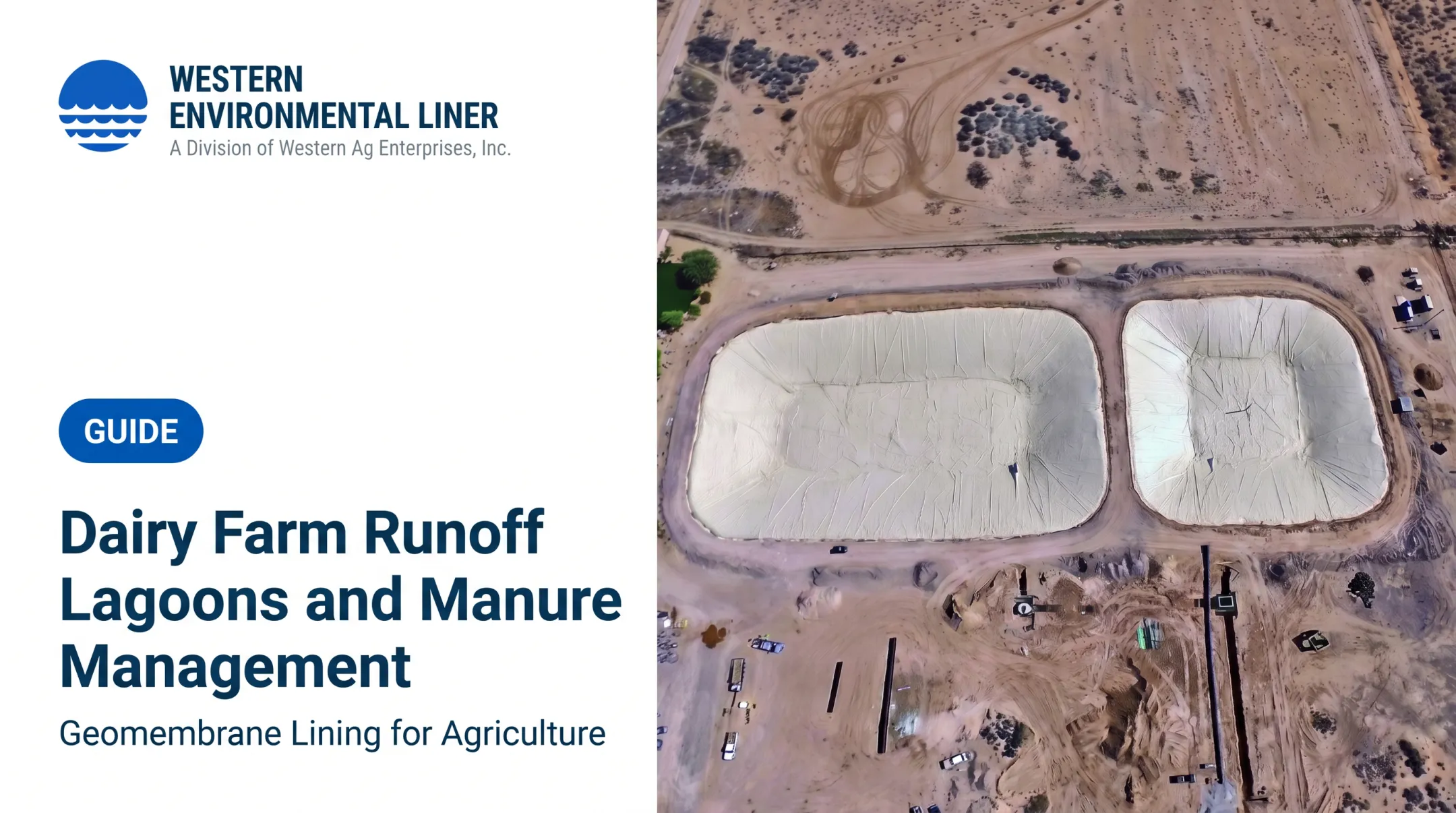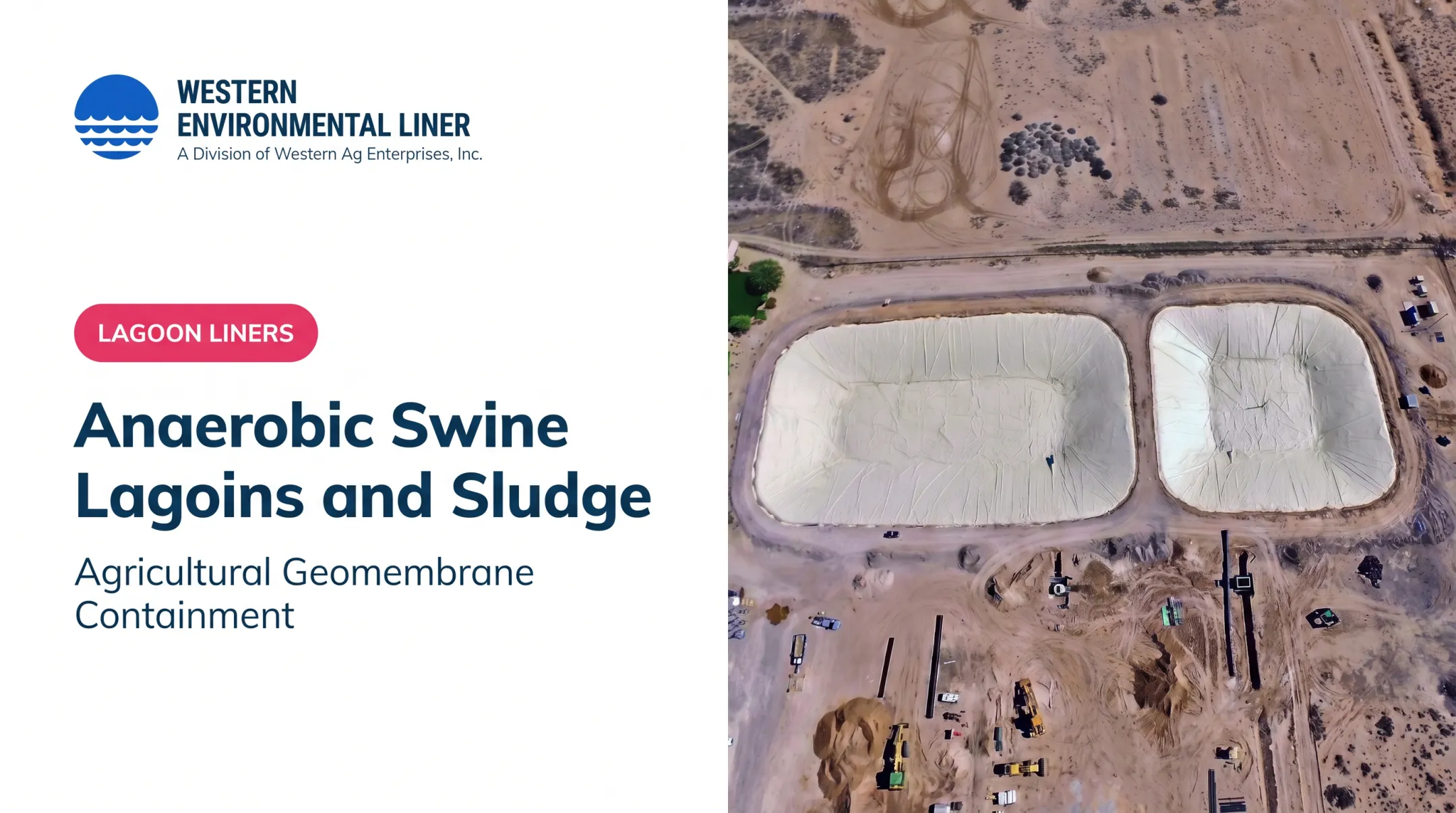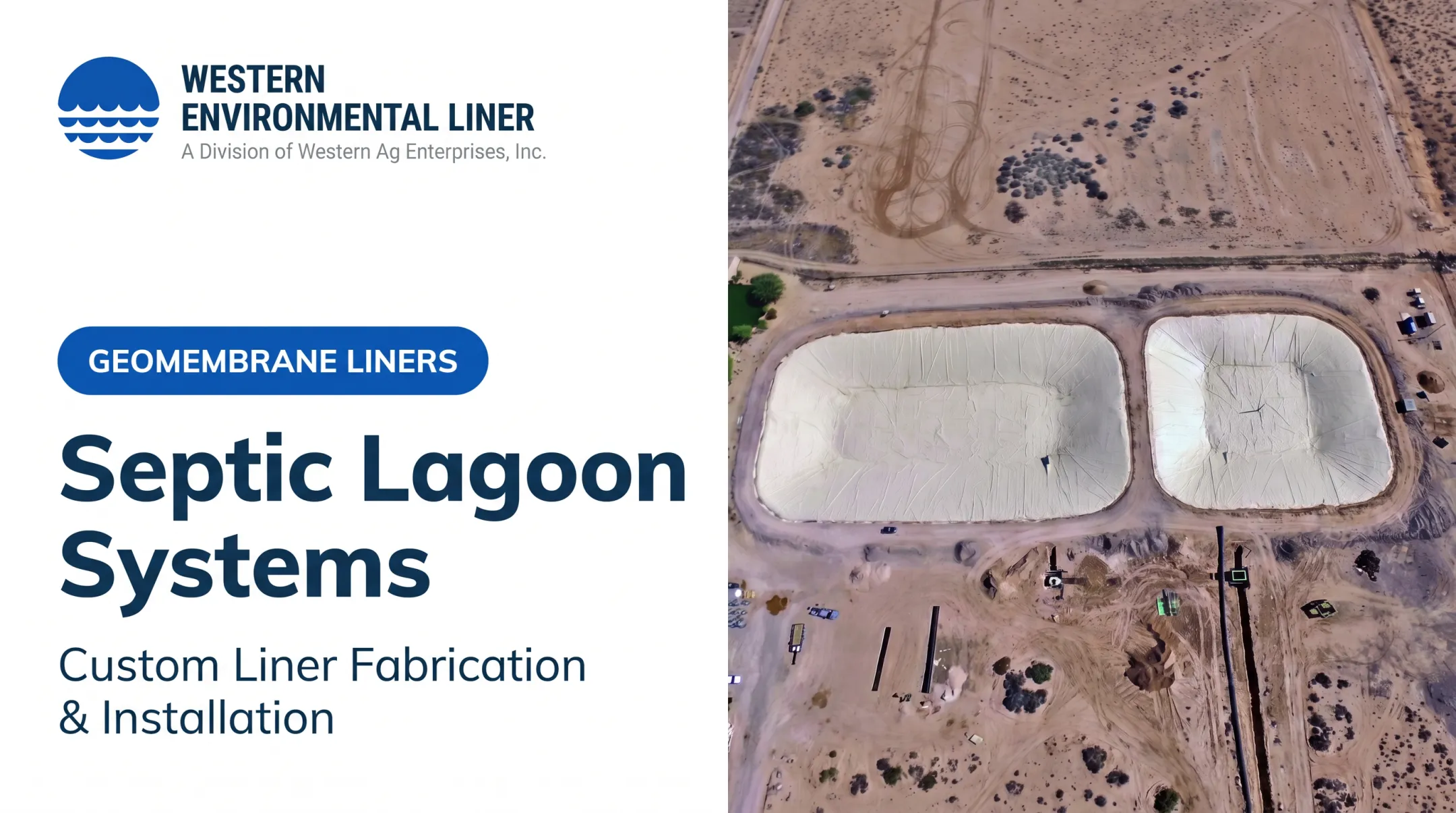

But a covered lagoon is not a pond with a membrane on top. It is a system: feedstock management, biological treatment, containment, gas handling, effluent storage, safety, and permitting all have to work together.
This guide covers how the system operates, key design decisions, liner and cover choices, benefits and limits, maintenance, and U.S. permitting.
Key Takeaways
- Oxygen-free microbes break down organic waste, and biogas collects under an impermeable cover.
- Feedstock, climate, volume, retention time, and gas use drive performance.
- Covers, liners, gas piping, and sludge capacity need ongoing inspection.
- Get a feasibility study and site-specific engineering before you build.
What Is a Covered Anaerobic Lagoon Digester?
An anaerobic lagoon is a basin where microorganisms treat organic slurry or wastewater without added oxygen. Adding a cover captures biogas for controlled use, treatment, or flaring instead of letting it escape.
Washington State University describes it as a lined pit with a flexible plastic cover.
Uncovered vs. covered lagoons
- Covered systems collect methane for piping to a combustion device. A cover alone does not destroy methane.
- EPA's Butler Farms profile reports significantly reduced odor from covered lagoons, though no universal reduction percentage exists. Rely on project-specific measurements.
- Covered systems add gas-safety requirements that open lagoons don't have.
A rain-reduction or storage cover is not automatically a digester cover. NRCS Conservation Practice Standard 366 calls for a cover system designed to capture and convey biogas, including anchorage and appurtenances. Rain exclusion alone doesn't meet that.
Main components
- Receiving or pretreatment area
- Earthen or lined lagoon with geomembrane liner
- Flexible cover
- Gas collection piping and condensate management
- Gas treatment, plus a flare or energy-use equipment
- Effluent storage and sludge-removal provisions
How Does a Covered Anaerobic Lagoon Digester Work?
Feedstock reception and preparation
Manure, agricultural slurry, food-processing wastewater, or another approved organic feedstock enters the system. Screening, grit removal, or solids separation may be needed to keep fiber, grit, and contaminants out.
Covered lagoons suit dilute feedstock. Extension sources list 0.5-3% total solids, while the AgSTAR handbook gives 0.5-5%. These are selection benchmarks, not regulatory limits, so check which source a designer is using.
Flow rate, volatile solids, biodegradability, chemicals, and seasonal swings all affect fit.
Biological digestion
Digestion runs in four stages:
- Hydrolysis breaks complex organics into smaller compounds.
- Acidogenesis produces volatile fatty acids.
- Acetogenesis produces acetic acid and hydrogen.
- Methanogenesis turns those intermediates into methane.

Typical benchmarks:
- Retention time: 40-60 days (extension) or 30+ to 60+ days (AgSTAR)
- Effluent pH: 7.0-8.0 for a properly operating digester
- Temperature: conventional lagoons run at ambient, and methane production drops below 68°F (20°C)
- Alkalinity: an early stability indicator that can fall before pH does
Biogas collection and handling
Gas travels from beneath the cover through collection headers, condensate traps, and pressure controls, then to treatment and a flare, boiler, engine-generator, or upgrading system.
EPA reports methane at 50-75% of raw biogas, with CO2, water vapor, and hydrogen sulfide. AgSTAR notes H2S commonly runs 2,000-8,000 ppm.
AgSTAR recommends sloped piping with self-dumping condensate traps, and an automatic pressure-relief valve tied to an auto-igniting flare. Onsite fuel use generally requires moisture and H2S removal. Renewable natural gas (RNG) demands far more cleanup.
Effluent, digestate, and settled solids
Digestion doesn't remove nutrients. WSU reports no significant nitrogen reduction, so effluent still needs testing, storage, and nutrient planning.
A single-cell system combines digestion and storage. A two-cell layout sends influent and gas collection to a first cell, then to an effluent cell.
Oklahoma State describes a common arrangement with the first cell covered and the second uncovered, but that's an example, not a rule. Layout depends on site engineering.
Design and Site Selection Considerations
Feedstock and site feasibility
Designers weigh annual and seasonal feedstock volume, organic loading, solids concentration, expected gas yield, land, climate, topography, groundwater, flood exposure, and nearby receptors.
Before construction, confirm:
- Feedstock testing results
- Expansion plans
- Utility access and energy demand
- Downstream storage capacity
- Digestate use or disposal route
Lagoon geometry and containment
Basin dimensions, usable volume, freeboard, slopes, inlet and outlet placement, overflow protection, and sludge allowance all shape hydraulics. NRCS lagoon standard 359 sets national benchmarks: outside the 100-year floodplain, at least 12 inches of freeboard, and a bottom generally 2 feet above seasonal high groundwater. State criteria and permits govern the actual site.
Subgrade preparation, drainage, leak prevention, and quality assurance must be settled before liner installation. NRCS standard 521 requires a smooth, flat, unyielding subgrade and drainage when the invert is within 2 feet of seasonal high groundwater.
Geomembrane liner and cover considerations
A basin liner contains liquid and protects groundwater. A gas-tight cover retains biogas, sheds rain, resists movement, and needs anchoring and sound seams. They do different jobs.
NRCS minimum wastewater-liner thicknesses:
| Material | Specification | Minimum thickness |
|---|---|---|
| HDPE | GRI-GM13 | 60 mil |
| LLDPE | GRI-GM17 | 60 mil |
| Reinforced LLDPE | GRI-GM25 | 45 mil |
| Reinforced flexible polypropylene | ASTM D7613 | 45 mil |
These are liner minimums, not biogas-cover thicknesses. Name the polymer and reinforcement, not just "reinforced PE." Also, NSF/ANSI 61 covers drinking-water contact, not gas-tightness.
Western Environmental Liner supplies custom geomembrane containment for the liner side of covered lagoon projects. Capabilities include:
- Custom panels up to 300' x 300' and one-piece liners
- Reinforced polypropylene, reinforced polyethylene, and LLDPE
- Technical support on slopes and anchoring
- IAGI Certified Installer status
Its 45 mil reinforced polypropylene is a common lagoon-liner choice, with a 20-year UV and weathering warranty. The company is not a digester designer; earthwork and engineering stay with your engineer.
Gas collection, safety, and energy use
End use changes everything. Direct heat, combined heat and power (CHP), flaring, and RNG each need different gas quality, treatment, pressure control, electrical systems, shutdowns, and flare capacity. At Butler Farms, an H2S scrubber sits ahead of the generator, and engine heat warms the lagoon.
Base energy projections on measured feedstock data and seasonal conditions, not an idealized peak.
Single-cell, two-cell, and hybrid configurations
A combined lagoon is simpler. A separate covered digestion cell plus storage cell gives steadier digestion and seasonal storage.
Heating, insulation, mixing, recirculation, and monitoring can improve consistency, but they add capital, controls, maintenance, and energy demand. Choose the layout through a life-cycle feasibility evaluation. CPS 366 says digester volume should not count toward waste-storage requirements.
Benefits, Limitations, and Suitable Applications
Where covered lagoons fit
- Dairy and livestock operations
- Agricultural waste facilities
- Food and beverage processors
- Slaughter and protein-processing plants
- Selected industrial or municipal wastewater applications, once waste compatibility is verified
Key benefits include:
- Captured renewable energy
- Less uncontrolled methane
- Reduced surface odor
- Better waste handling
- Possible nutrient recovery
- Lower purchased-energy use
Limitations and trade-offs
- Large land footprint
- Seasonal gas swings; winter output can decline substantially
- Sludge buildup that cuts usable capacity
- Eventual cover replacement and gas-cleaning needs
- Odor sources outside the covered cell
- Need for trained operators
Compare technologies by what your project needs:
| Digester | Total solids | Retention time | Operation |
|---|---|---|---|
| Covered lagoon | 0.5-3% | 40-60 days | Large volume, typically ambient temperature |
| Plug-flow | 11-13% | 15+ days | Heated |
| Complete-mix | 3-10% | 15+ days | Heated |

These ranges are typical reference values, not universal design requirements. No single digester type is best for every project.
Maintenance, Safety, and Regulatory Planning
Monitoring performance
Track these parameters as suits your system:
- Liquid level, temperature, pH, and alkalinity
- Volatile fatty acids and organic loading
- Gas flow, methane, H2S, and condensate
- Effluent quality and sludge depth
Trends reveal overloading, cold-weather slowdown, blocked gas lines, leaks, or shrinking active volume early. Get operating thresholds from EPA AgSTAR, NRCS, or extension guidance.
Cover, liner, and gas-system inspections
Inspect:
- Cover seams, tears, abrasion, and wildlife damage
- Anchoring, tension, and rainwater pooling
- Unusual gas pressure and exposed liner
- Inlet and outlet structures, pipe supports, condensate drains
- Valves, flare equipment, and visible settlement
CPS 366 requires an O&M plan covering monitoring frequency, troubleshooting, and emergencies, and recommends regular methane-leak checks with prompt repair. No national guidance sets one inspection interval. Base yours on weather, material exposure, system age, and manufacturer advice, and document repairs.
Sludge and sediment management
Grit, fiber, and settled solids shrink active volume and can interfere with treatment, gas collection, and inlets and outlets. Phosphorus can remain trapped in sludge. Plan a site-specific solids survey and removal strategy that covers:
- Timing, dewatering or transport, and land application or disposal
- Worker exposure and cover access
- Whether cleaning can happen without fully draining
Gas and confined-space safety
- Methane is flammable at 5-15% by volume in air and is an asphyxiant.
- H2S: NIOSH's ceiling is 10 ppm, IDLH is 100 ppm, and OSHA's general-industry ceiling is 20 ppm. Smell fatigues quickly and can't warn you.
- A 2021 seven-state study documented 133 manure-hazard cases, with a 57% fatality rate.
29 CFR 1910.146 covers general-industry confined spaces and excludes agriculture, so it doesn't automatically apply to a farm lagoon. Still, follow its practices:
- Atmospheric testing and ventilation
- Lockout/tagout and hot-work controls
- PPE, restricted access, and emergency communications
- A documented rescue plan
Never let anyone enter based on visual conditions alone. NFPA 820 (2024) may apply to wastewater facilities.

U.S. permits and environmental protection
Consult EPA, your state environmental agency, local authorities, fire officials, and agricultural or wastewater regulators before building or converting. Evaluate:
- Groundwater protection, stormwater, and flood controls
- Air emissions, odor, and flare or combustion equipment (NOx, plus sulfur oxides where H2S is present)
- Waste acceptance, nutrient management, and discharge limits
- Spill prevention and recordkeeping
Digested effluent is not automatically fit for discharge to a waterway. Discharging CAFOs need NPDES permits, and EPA's nutrient plan guidance applies. NRCS 590 calls for the 4Rs: right source, rate, time, and place. Verify land-application rules and permits locally.
Frequently Asked Questions
What is a covered anaerobic lagoon digester?
It's a lined basin where microbes break down organic waste without oxygen. A gas-tight cover traps the biogas, and piping carries it to a flare or energy equipment.
How does a covered anaerobic lagoon produce biogas?
Microorganisms digest biodegradable organic matter in oxygen-free conditions. Methane-rich biogas, typically 50-75% methane, collects beneath the cover.
What types of waste can a covered lagoon digester process?
Livestock manure, agricultural slurry, food-processing wastewater, and some industrial streams. Feedstock testing and regulatory review come first.
Can a covered anaerobic lagoon work in cold climates?
Unheated lagoons slow down in cold weather, and methane production drops below about 68°F (20°C). Heating, insulation, seasonal sizing, or another digester type may be needed.
How often does a covered lagoon digester need maintenance?
There's no universal calendar. Intervals depend on feedstock, solids buildup, cover condition, climate, and monitoring results, as set out in your O&M plan.
How much does a covered anaerobic lagoon digester cost?
Costs vary with earthwork, liner and cover design, gas equipment, storage, permitting, and upkeep. Documented projects range from about $550,000–$650,000 for Butler Farms to $8.9M for the 1 MW ABEC #2. A site-specific feasibility study is essential.