
The cost of getting it wrong is real. A 2010 pipeline rupture near Marshall, Michigan released at least 843,444 gallons of oil, and the cleanup reached 38 miles downstream.
This guide covers land-based versus water-based containment, the main equipment options, and how site conditions, oil volume, regulations, and maintenance shape the right choice for US sites.
Key Takeaways
- Containment keeps oil out of soil, storm drains, groundwater, waterways, and work areas.
- Berms, bunds, and liners suit fixed land sites; booms, skimmers, and sorbents suit water and incident response.
- Capacity depends on the largest container, rainfall, and site drainage, not a flat percentage.
- Equipment only works with inspections, training, response plans, and SPCC compliance.
What Is Oil Spill Containment and Why Does It Matter?
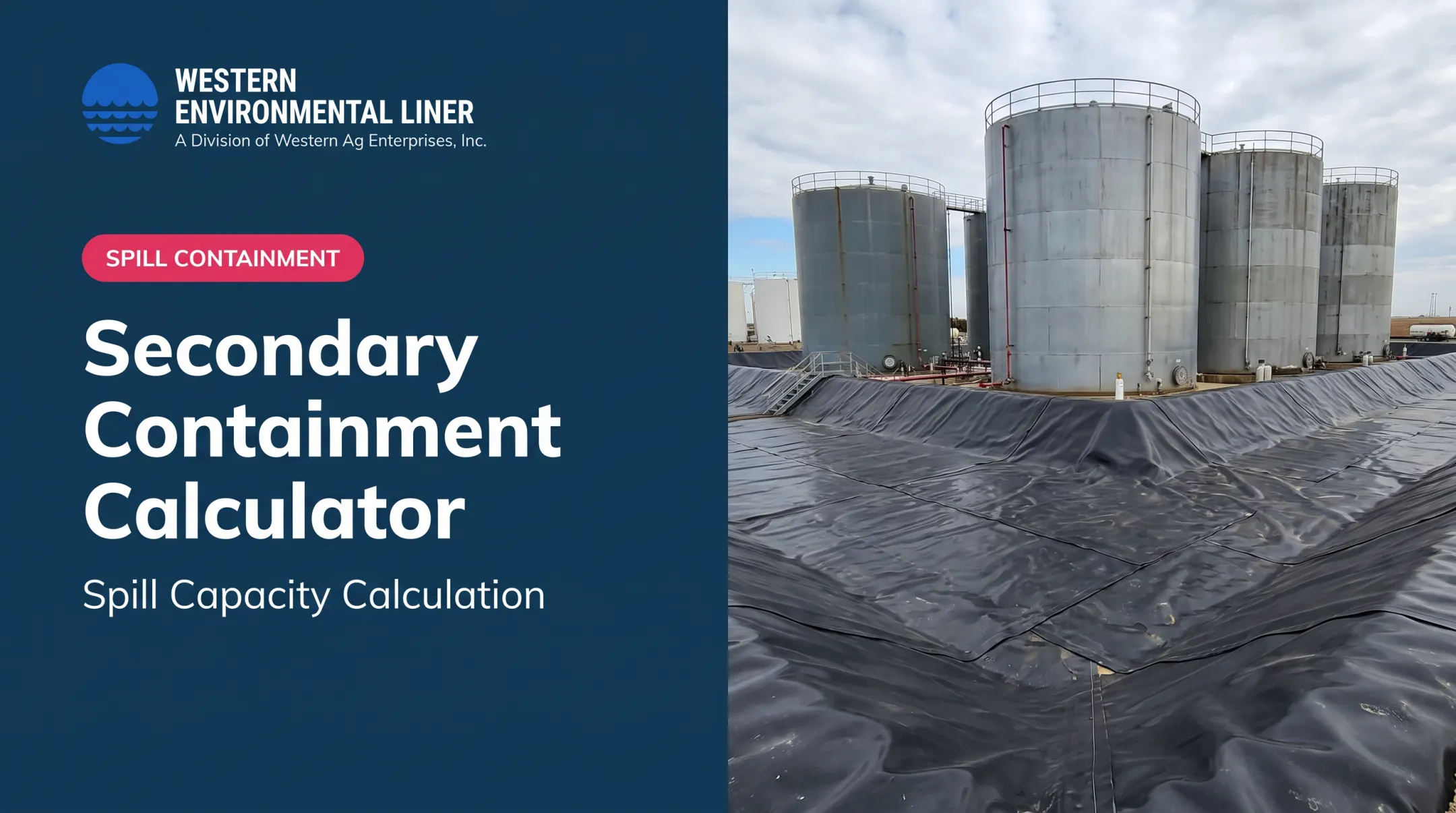
The EPA describes primary containment as the original system holding the oil, such as a tank or pipe. Secondary containment is the backup: walls and a floor that hold oil and prevent escape before cleanup. Higher-risk facilities often add further layers, such as diversion systems or response plans.
What Happens When Oil Migrates
Uncontrolled oil rarely stays put. The consequences include:
- Soil and groundwater contamination
- Stormwater and sewer pollution
- Fire, slip, and exposure hazards for workers
- Equipment damage and operational downtime
- Cleanup bills that dwarf prevention costs
Two 2010 Enbridge releases show the range. In Romeoville, Illinois, at least 269,934 gallons escaped, and oil entering a storm drain and sewer forced a water treatment plant to shut down. In Marshall, Michigan, the EPA reports company cleanup spending above $1 billion for both spills combined.

OSHA also notes that response workers can face fires, oxygen deficiency, carcinogen exposure, and heavy-equipment hazards.
Common Oil Spill Containment Applications
Needs differ by setting:
- Oilfield sites: tank batteries, frac pads, and pits
- Storage and fueling areas: bulk tanks and mobile containers
- Substations: oil-filled transformers and breakers
- Farms: diesel, gasoline, and hydraulic oil storage
- Transportation: pipelines near waterways and storm drains
- Marine sites: vessel transfers and shoreline storage
How Does Oil Spill Containment Work?
Source Control and Initial Isolation
First, stop or reduce the release if it's safe to do so. Then isolate the area, protect personnel, remove ignition sources, and block drains and waterways. Speed matters more than sophistication here.
Land-Based Containment
Berms, bunds, lined pads, containment pits, and temporary barriers redirect and hold oil on a controlled surface. Design around likely flow paths, not just the spot nearest the source. Oil follows slope and drainage, so a berm placed beside a tank can still miss the real route.
Water-Based Containment
Floating booms concentrate oil or shield sensitive areas. Performance drops with conditions. NOAA identifies entrainment, where oil slips under the boom, above 0.7 knots of current perpendicular to the boom. Wind, waves, debris, and a draft that's too deep for the water also cut effectiveness.
Recovery and Removal
Containment isn't removal. Skimmers, pumps, vacuums, absorbents, and collection tanks take the oil out. Match equipment to oil viscosity, slick thickness, debris, water conditions, and expected volume.

Cleanup, Disposal, and Verification
Finish the job properly:
- Recover contaminated soil, water, absorbents, and equipment
- Manage waste under applicable federal, state, and local rules
- Inspect for remaining contamination
- Document the incident, corrective actions, and system performance
Oil Spill Containment Equipment and Systems
Oil Spill Containment Booms and Barriers
A containment boom is a floating barrier that slows spreading and holds oil on water. Choices include:
- Fence booms: high freeboard, but wind and waves can twist them
- Curtain booms: continuous skirt, better in rough water
- Inflatable booms: easy to store, but prone to puncture and trickier to deploy
- Sorbent booms: no hard-boom skirt, so they can't hold oil for long
During deployment, anchor the boom, overlap sections, inspect connections, and keep workers clear of hazards.
Land-Based Berms, Bunds, and Secondary Containment
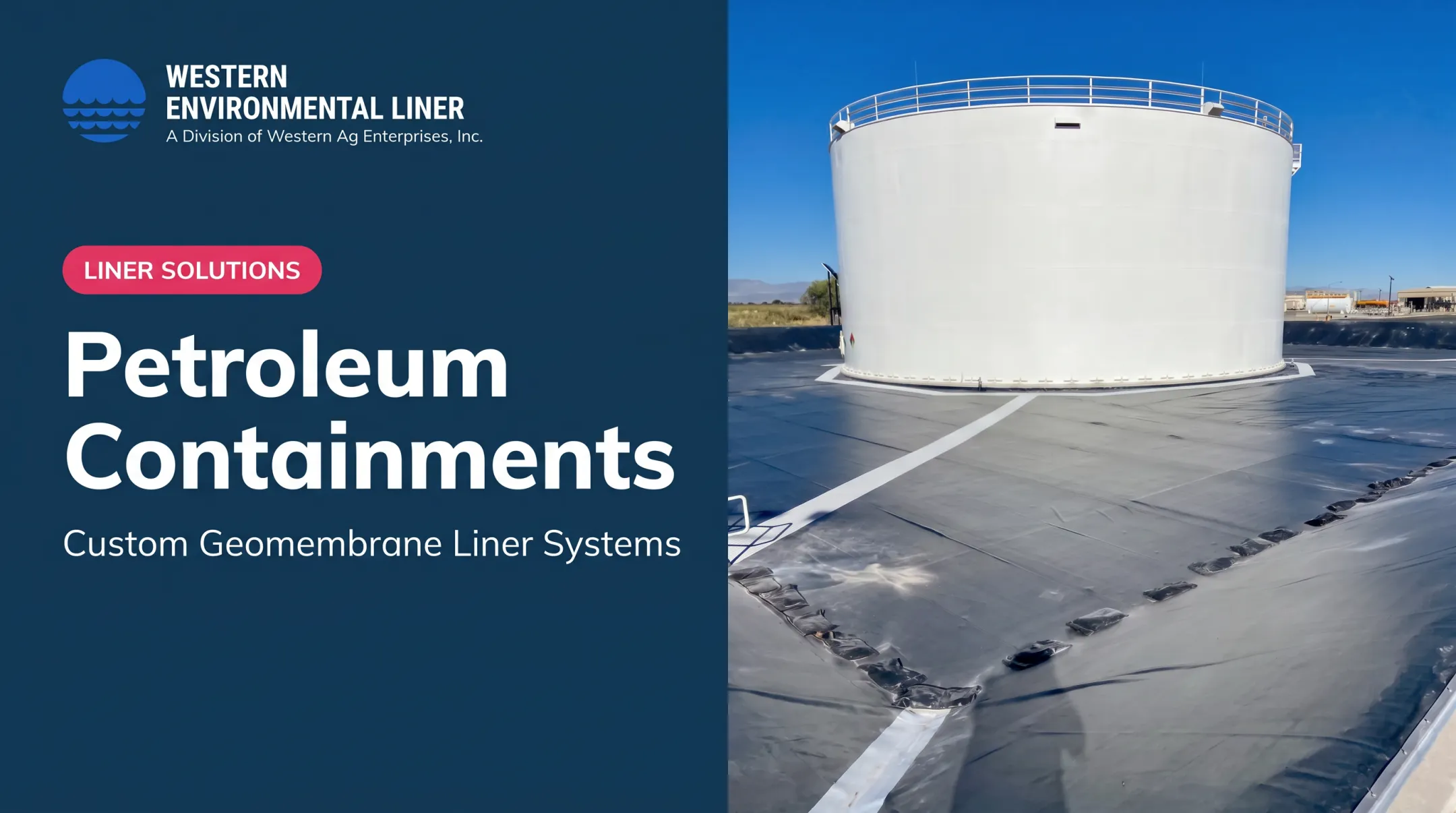
Portable berms suit temporary work and mobile equipment. Permanent bunds, concrete areas, and tank bases suit fixed storage.
Containment most often fails at:
- Access points and vehicle traffic routes
- Pipe penetrations
- Drainage connections
Maintenance keeps walls and floors intact.
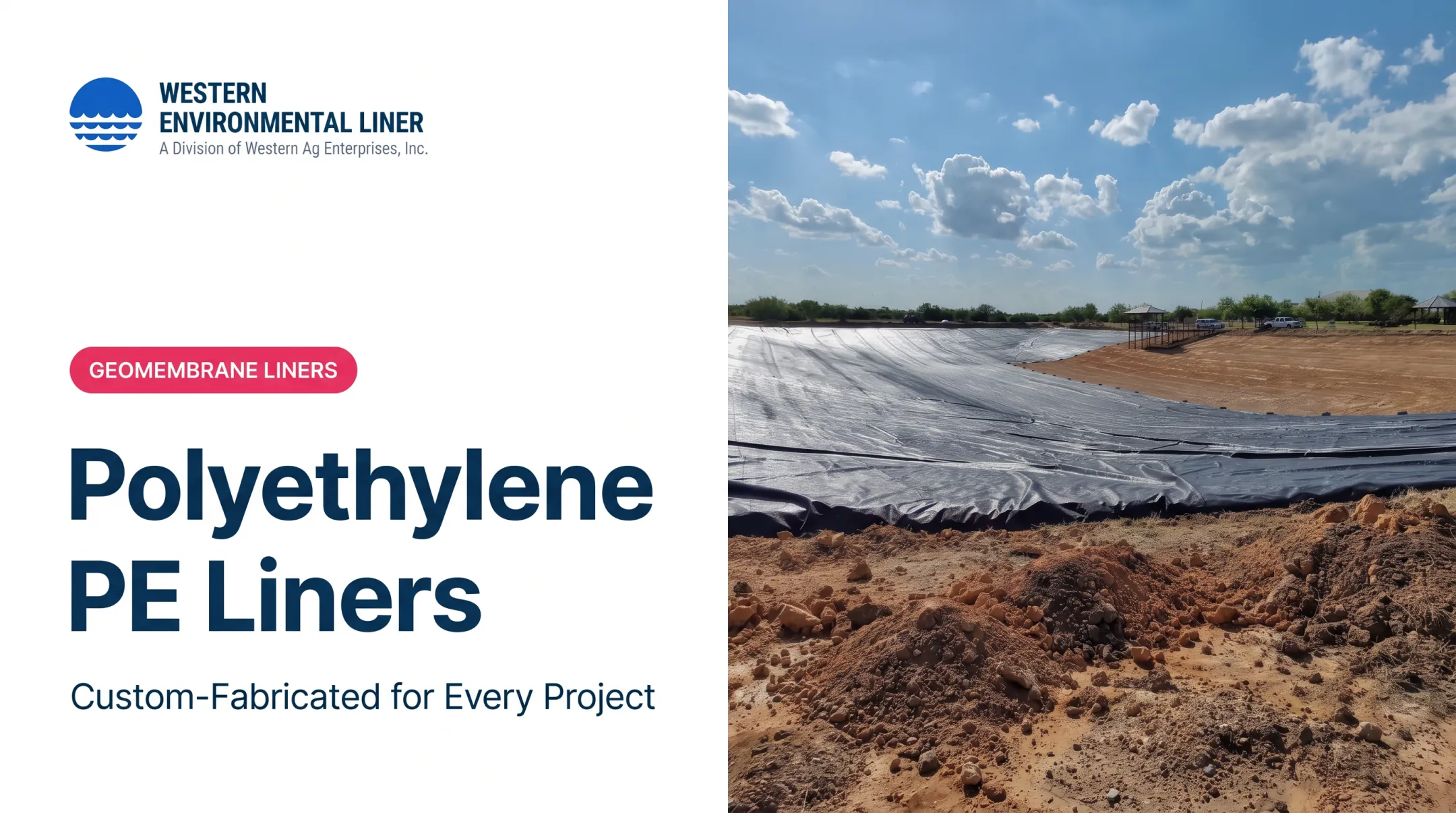
Geomembrane Liners and Engineered Containment Areas
Geomembrane liners create a low-permeability surface for pits, pads, ponds, lagoons, and ditches. Performance depends on details:
- Subgrade: flat, smooth, dry, and free of rocks, roots, and debris
- Bedding or geotextile: a compacted layer or protective fabric where the subgrade falls short
- Seams and anchoring: thermal welding and a proper anchor design
- UV and puncture exposure: matched to site traffic and weather
- Chemical compatibility: confirmed for the specific product
Compatibility is not universal. General material specifications, such as GRI GM13 for HDPE, may require additional application-specific tests. ASTM D5747 and EPA Method 9090A cover chemical-resistance testing, but neither approves a liner for all petroleum products.
Recovery and Absorbent Equipment
Skimmers and sorbents remove oil after it is contained:
- Weir skimmers: work across light to heavy oils, though debris can jam them
- Oleophilic skimmers: belts, discs, or mops attract oil
- Suction skimmers: best on smooth water with concentrated oil
- Sorbent pads, socks, and rolls: suit small releases, edge control, and final cleanup
Recover used sorbents and contain loose particles in mesh.
Drainage, Stormwater, and Monitoring Controls
Rain can carry oil right out of a containment area. Common controls include:
- Drain covers and shutoff points
- Controlled drainage and inspection ports
- Manual open/closed valves on diked drainage (required under SPCC; flapper valves are not allowed)
Properly designed oil-water separators can also help, though excess flow can discharge accumulated oil.
How to Choose an Oil Spill Containment Solution
Work through these steps in order.
- Define the release scenario. Identify the oil source, maximum credible release, container sizes, transfer activities, failure points, and nearby drains or waterways. Is the risk a slow leak or a sudden failure?
- Determine capacity. The SPCC baseline is the entire capacity of the largest single container plus sufficient freeboard for precipitation. EPA says 110% may be acceptable in some situations but insufficient in others. There's no universal formula, so factor in rainfall, runoff, and any connected sources.
- Evaluate the setting. Account for land or water use, slope, soil, groundwater proximity, traffic, wind, waves, temperature, UV, site access, and deployment time.
- Check compatibility. Consider the petroleum product, contact time, temperature range, puncture demands, seam construction, anchoring, and inspection needs.
Once you have those answers, choose equipment that matches the scenario, not the other way around.
When a Custom Geomembrane Liner Is a Suitable Option
Custom liners fit large, fixed, land-based containment. They don't replace emergency booms or recovery equipment.
Western Environmental Liner fabricates custom geomembrane liners for projects over 10,000 square feet. Offerings include:
- Factory-fabricated panels and one-piece liners up to 150,000 square feet
- Reinforced polyethylene and reinforced polypropylene options
- Installation and technical support, with IAGI-certified installation
- Warranty coverage of up to 20 years
For oil, material matters. Standard PVC and polyethylene aren't normally recommended for long-term hydrocarbon containment, while XR-5 8130 carries a 10-year limited warranty for most hydrocarbons. Confirm oil compatibility and project specifications with the manufacturer before committing.
Think Lifecycle, Not Purchase Price
Compare more than purchase price:
- Installation time and field-welding needs
- Inspection access and repairability
- Storage, training, and long-term maintenance
Factory-welded panels can reduce field-weld risk, which is often the cheapest leak to prevent.
Planning, Compliance, and Response for US Sites
US Regulatory and Documentation Considerations
The EPA's SPCC rule, 40 CFR Part 112, generally applies when a facility could reasonably discharge harmful oil to waters and stores more than 1,320 gallons aboveground or more than 42,000 gallons completely buried. Aboveground counting includes containers of 55 gallons or larger, and capacity, not current inventory, is what counts.
Key points:
- Qualified facilities (10,000 gallons or less aggregate aboveground) may self-certify; others need a professional engineer's certification
- Plans address secondary containment, drainage control, inspections, and response
- Inspection records stay with the Plan for 3 years
- Plans are reviewed at least every 5 years
- Some larger sites need a Facility Response Plan under 112.20
OSHA, state, local, fire, stormwater, and waste rules may also apply. Fire-code requirements vary, so check locally.
Emergency Response Planning
Write down the essentials:
- Roles, responsibilities, and escalation steps
- Spill kit and equipment locations
- Safe shutdown procedures
- Contractor and responder coordination
- Drills specific to the site
Notification is immediate. Under 40 CFR Part 110, a discharge that causes a sheen on water or shoreline must be reported to the National Response Center at 800-424-8802. SPCC has separate reporting triggers, such as a discharge over 1,000 gallons.

Inspection, Training, and Post-Incident Improvement
- Inspect liners, seams, anchors, berms, booms, drains, pumps, and collection areas routinely
- Train oil handlers and hold spill-prevention briefings at least annually
- Restock used supplies and dispose of contaminated materials properly
- Document every incident and near miss, then act on corrective findings
Frequently Asked Questions
How is containment used in oil spills?
Barriers, berms, liners, booms, and drainage controls limit oil movement before recovery begins. The right method depends on whether the spill is on land or water.
What is an oil spill containment boom?
It's a floating barrier that contains or redirects oil on water. Rough water, strong currents, high wind, and heavy debris reduce its performance.
Does oil need secondary containment?
It depends on the facility, oil quantity, storage or transfer activity, spill potential, and federal, state, and local rules. Evaluate current EPA SPCC requirements rather than assuming one standard.
What is the difference between oil spill containment and cleanup?
Containment limits spread. Cleanup removes oil and contaminated materials, then verifies the area has been addressed.
What type of containment is best for a land-based oil storage or energy site?
Options include berms, bunds, lined pads, geomembrane containment areas, and tank secondary containment. Choose by volume, surface, drainage, oil compatibility, weather, and regulations.
How do you size oil spill secondary containment?
Evaluate the largest credible release, connected sources, rainfall or runoff, freeboard, drainage, and applicable regulations. Don't rely on a generic size estimate.