

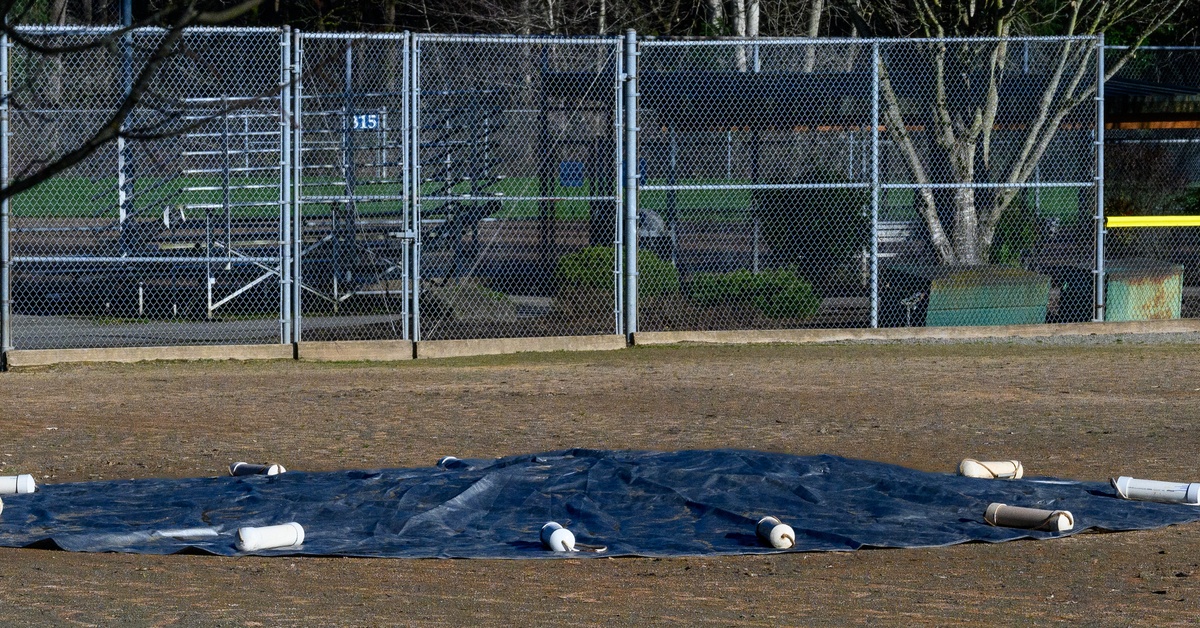
Maintaining a pristine baseball field is critical for gameplay, and a quality tarp is the first line of defense against the elements. A sudden downpour can turn an infield into a muddy pit, canceling games and requiring extensive maintenance. Field managers and groundskeepers face a fundamental choice when selecting a protective cover: Should they opt for a heavy-duty tarp or a lightweight one? This decision is not as simple as it seems.
Each type presents a distinct set of advantages and disadvantages. A thorough analysis of these differences is necessary to make an informed choice that balances protection, budget, and operational capacity. Use this guide to decide whether a heavy or light tarp is better for your baseball field.
Understanding Baseball Field Tarps
A baseball field tarp is a large, water-resistant sheet designed to cover the infield, mound, and home plate areas. Its primary function is to protect these sensitive surfaces from weather, mainly rain and snow, keeping the ground dry and playable. Beyond moisture control, these covers also shield the turf and soil from harsh sunlight and wind, helping prevent erosion and preserve the field’s condition.
While various materials and designs exist, the most significant distinction comes down to the material’s weight and thickness, which directly impacts durability, handling, and overall performance. Making the right selection depends on a clear understanding of what each type offers.
Heavy-Duty Tarps: Pros and Cons
Pro
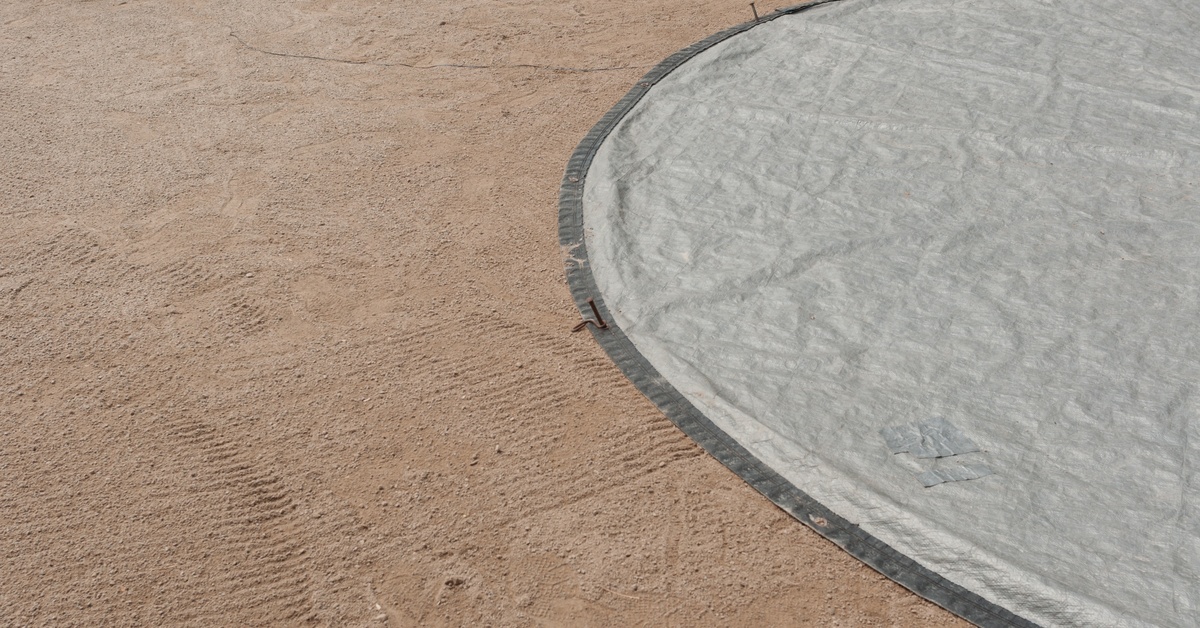
Heavy-duty tarps offer maximum protection and longevity. Manufacturers use thick, robust materials that can withstand severe weather conditions. Their primary advantage is superior durability. A heavy tarp resists tearing and puncturing, providing reliable defense against heavy rain, high winds, and even snow accumulation. This robust construction translates to a longer lifespan, often making them a sound long-term investment despite a higher initial cost. Groundskeepers can trust a heavy-duty tarp to keep the field dry even during the most intense storms, minimizing game cancellations and costly field repairs.
Cons
However, these benefits come with significant drawbacks. The most obvious is the weight. Deploying and retracting a heavy tarp requires considerable human resources and often specialized equipment, which can be a logistical challenge for crews with limited staff. The sheer bulk also makes them difficult to fold and store, demanding a large, dedicated storage space. Furthermore, the initial purchase price is substantially higher than that of lighter alternatives. Organizations must weigh the superior protection and longevity against the increased upfront cost and the demanding physical labor required for handling.
Lightweight Tarps: Pros and Cons
Pros
Lightweight tarps offer a practical alternative, prioritizing ease of handling and affordability. Their most significant advantage is their manageable weight. A smaller crew can deploy and remove a lightweight tarp quickly and efficiently without the need for heavy machinery. This ease of use is a major benefit for high schools, local leagues, and facilities with limited staff and resources. Lightweight tarps are also less expensive, making them an accessible option for organizations operating on a tight budget. Additionally, their reduced bulk simplifies storage, as they require less space and are easier to handle when not on the field.
Cons
The trade-offs, however, relate directly to their performance and durability. Lightweight tarps are less resistant to harsh weather. Strong winds can lift them, and heavy rainfall may overwhelm them, leading to leaks and a wet field. Their thinner construction makes them more susceptible to rips, tears, and punctures, resulting in a shorter operational lifespan compared to their heavy-duty counterparts. While they provide adequate protection against light showers and brief periods of inclement weather, they are not as reliable in regions prone to severe storms or heavy precipitation.
Factors To Consider When Choosing a Tarp
Selecting the appropriate tarp requires a careful evaluation of several factors specific to your facility and location.
Climate
First, consider your regional climate. Areas that experience frequent, heavy rainfall or high winds will benefit more from a heavy-duty tarp’s superior resilience. In contrast, drier climates with occasional light rain might find a lightweight tarp sufficient.
Budget
Your budget is another critical element. While a heavy-duty tarp is more expensive initially, its longer lifespan may offer a better return on investment over time. You must balance the upfront cost against the long-term value and potential savings from fewer replacements.
Crew Size
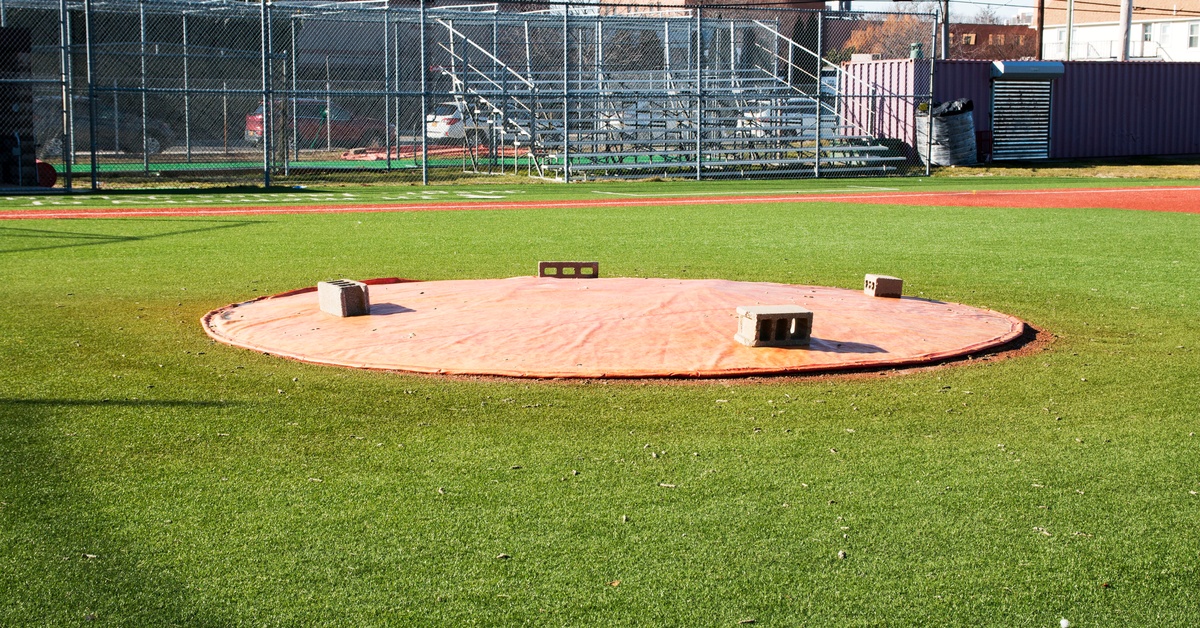
The size of your groundskeeping crew and the available human resources also play a crucial role. If you have a small team, the physical demands of a heavy tarp may be impractical. In such cases, a lightweight option that a few people can handle is a more realistic choice. Finally, assess your available storage space. Heavy tarps are bulky and require a significant amount of space for proper storage, while lightweight tarps are more compact and easier to store.
The Western Environmental Liner Solution
At Western Environmental Liner, we specialize in manufacturing high-quality, custom baseball field tarps that are durable and effective. Our covers are produced in the USA from our proprietary Aqua line of Reinforced Polyethylene (RPE) materials. This construction provides excellent tear and puncture resistance, while our unique coating enhances abrasion resistance and longevity.
We commonly use Aqua 12, a 12-mil RPE, and Aqua 15, a 15-mil RPE, for baseball field tarps. These materials strike an ideal balance between durability and manageability. To facilitate easier handling, our tarps come standard with heavy-duty pull handles on all sides. We fabricate our baseball field covers from 12-foot-wide material, reducing the number of seams and creating a stronger, more reliable final product.
We can also provide lighter or heavier materials depending on your specific project requirements. In addition to full infield tarps, we supply mound covers and infield protectors to manage moisture and protect turf during practice.
Making the Final Decision
The choice between a heavy or light baseball field tarp ultimately depends on your organization’s unique circumstances. Heavy-duty tarps offer unmatched protection and durability, making them the superior option for professional facilities and regions with severe weather, provided you have the budget and staffing to handle them. Lightweight tarps provide a cost-effective and manageable solution for smaller organizations, schools, and areas with milder climates.
By carefully considering your climate, budget, staff, and storage capacity, you can select the tarp that best meets your needs and keeps your field in prime condition. A well-chosen tarp is not just a purchase; it is an investment in the quality and playability of your baseball field for years to come.


