
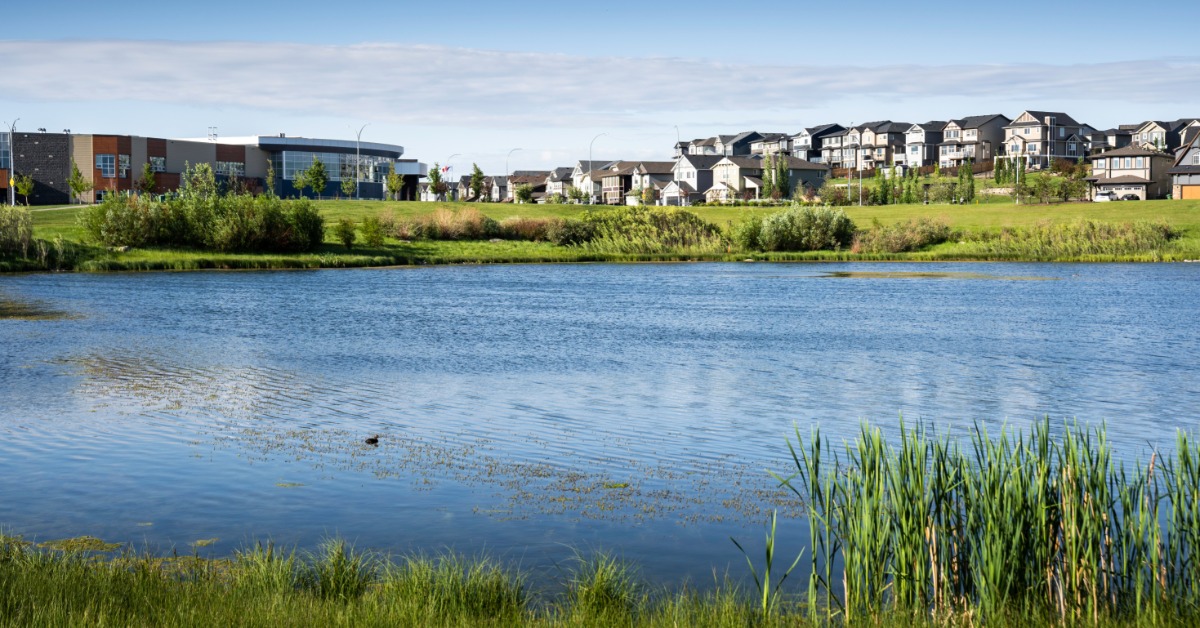
Retention ponds perform quiet, essential work on commercial, agricultural, municipal, and industrial sites. They collect runoff, manage water flow, control drainage, and help keep large properties functional during wet seasons. When a pond needs a liner, the installation process requires planning, coordination, and the right materials for the site.
A retention pond liner installation can feel like a big undertaking, especially if your team hasn’t handled one before. Crews need room to work, equipment needs access to the site, and the pond surface needs the right preparation before the liner arrives. When you know what to expect during a retention pond liner installation, you can plan around the project with fewer surprises.
Planning Comes First
A strong installation begins before anyone unrolls the liner material. The project team reviews the pond’s size, shape, slope, soil conditions, access points, and water management needs. These details inform the liner layout, panel sizes, anchoring approach, and installation timeline.
Retention ponds rarely have simple shapes. Some have steep side slopes, shelves, inlets, outlets, or irregular edges. A custom liner fits those conditions more closely than a one-size option. Western Environmental Liner works with commercial and industrial sites that need fabricated geomembrane liners built around the project, not the other way around.
Planning also includes site logistics. Crews need to know where trucks can enter, where materials can sit, and how equipment can move safely around the pond. A well-planned layout helps the installation team work efficiently once the liner reaches the site.
Site Preparation Sets the Foundation
Before liner placement begins, the pond surface requires careful preparation. Crews typically remove rocks, roots, sharp debris, trash, and other objects that could interfere with the liner. They also grade the pond bottom and slopes so the liner can rest on a smooth, stable surface.
Proper grading helps the liner conform to the pond’s contours. Low spots, ruts, and uneven areas can create tension points or wrinkles during placement. Crews may compact or smooth the subgrade, depending on site conditions and project requirements.
Some retention ponds also require drainage preparation, inlet adjustments, or outlet work before liner installation. If water enters the pond during construction, the team may need to pump it out or redirect the flow until the liner installation is complete.
Custom Fabrication Helps the Process
Large retention ponds require large liner sections. Instead of assembling many small panels in the field, custom fabrication can produce larger liner panels before delivery. Larger prefabricated panels can reduce field seams, speed placement, and make installation more manageable on wide commercial sites.
This approach can also help with ponds that have unique shapes or site constraints. A fabricated liner can account for specific dimensions, slopes, and features. That helps the crew position each panel with less guesswork.
For agricultural properties, the same custom approach can support water storage and runoff control needs. Some sites may compare retention pond liners with an irrigation pond liner when they need dependable containment for water management. The application may differ, but the need for a properly fitted liner remains the same.
Delivery and Staging Require Space
Once the liner arrives, the crew needs a place to unload and stage the material. Large liner panels can take up significant room, and the installation team needs enough space to move the material without dragging it across rough surfaces.
The crew may use equipment to lift or position rolls and panels. Access plays a major role here. Tight entry points, soft ground, steep grades, or nearby structures can affect how quickly the team can move materials into place.
Good staging keeps the job organized. The team can place panels in the right sequence, protect materials before installation, and avoid unnecessary handling. That helps prevent damage and keeps the work moving.
Liner Placement Takes Coordination
During placement, crews move the liner across the prepared pond surface and align it with the planned layout. This step requires careful handling. The crew needs to avoid sharp objects, excessive pulling, and undue stress on the material.
Wind can affect liner placement, especially on large open sites. Crews often monitor weather conditions closely because strong gusts can make large panels harder to control. Calm conditions help the crew place panels more safely and accurately.
Wrinkles may appear as the liner settles into the pond shape. Some wrinkles can relax as the material adjusts, but crews work to position the liner smoothly across slopes, corners, and transitions. Proper placement supports better performance and a cleaner finished installation.
Seaming Connects the Panels
Retention pond liners often require seams where panels meet. Crews join those seams using the method that fits the liner material and project specifications. Field seaming takes trained hands, clean surfaces, and close attention to conditions.
The crew needs to keep seam areas dry, clean, and properly aligned. Dirt, moisture, and poor contact can interfere with seam quality. Installers may adjust panels before joining them so seams land in workable locations.
Seaming can take time on larger ponds, but it plays a major role in the finished system. A rushed seam can create problems later, so experienced crews focus on steady, consistent work.
Anchoring Holds the Liner in Place
After placement and seaming, the crew anchors the liner along the pond perimeter. Many projects use an anchor trench near the pond’s top edge. The crew places the liner in the trench, then backfills to secure the edge.
Anchoring helps keep the liner in position as the pond fills, drains, and handles changing weather. It also helps manage tension along slopes and edges. The exact anchoring method depends on the site design, soil conditions, and project requirements.
Inlets, outlets, pipes, and other penetrations need extra attention. Crews must fit the liner around those features carefully so the finished system supports the pond’s function.
Inspections Help Catch Issues Early
Throughout the project, the crew checks the liner for damage, alignment, seam quality, and proper fit. These checks help catch issues before the pond returns to service.
A visual inspection may reveal punctures, trapped debris, seam concerns, or areas that need adjustment. Crews can address those items before final backfilling or filling begins. That saves time compared with finding a problem after the pond holds water.
The project team may also review details around slopes, corners, penetrations, and perimeter anchoring. Large pond liner installations involve many moving parts, so final checks help bring the work together.
Filling the Pond Takes Patience
Once the liner installation wraps up, the pond can begin returning to service according to the project plan. Filling may happen gradually, especially when the site team wants to monitor the liner as water levels rise.
As water enters, the liner settles more fully against the pond bottom and slopes. Crews or site managers may watch for shifting, unusual tension, or issues near edges and penetrations. A controlled fill gives the team time to respond if anything requires attention.
The pond’s purpose also affects the final steps. A municipal retention pond, golf course water feature, agricultural pond, or construction site basin may each need different timing before normal use resumes.
Plan for a Strong Finish
Retention pond liner installation takes more than rolling out material and filling the pond. It calls for planning, site prep, custom fabrication, careful placement, reliable seaming, and secure anchoring. Each step supports the next one, and the whole process works better when the team understands the site from the start.
When you know what to expect, you can prepare access routes, coordinate schedules, manage water flow, and give the installation crew the space they need. A custom liner can help your retention pond match the demands of your property and support long-term water management with fewer complications.
For large commercial, agricultural, municipal, and construction projects, a well-planned liner installation can turn a complicated pond project into a manageable process. With the right team and the right liner, your retention pond can get back to work with confidence.