
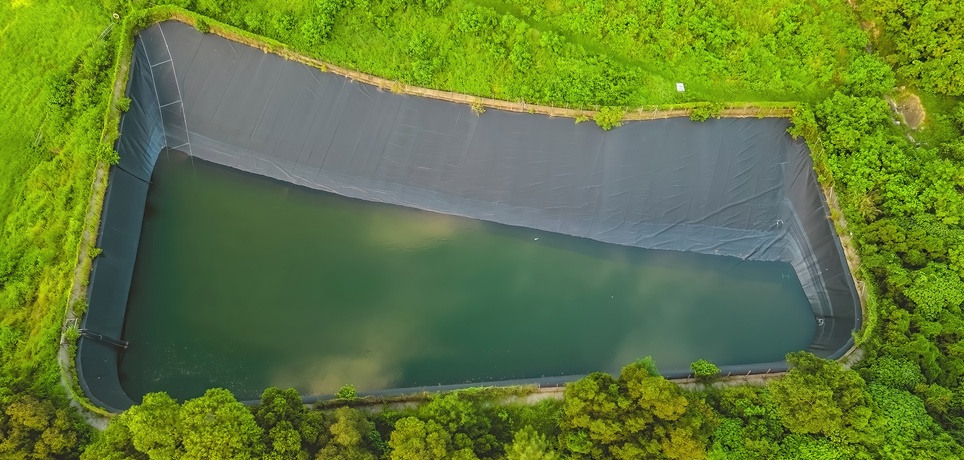
Large pond liner projects come with a lot more moving parts than most people expect. The process involves planning, site prep, material handling, and careful installation, all while keeping the project timeline on track. When you know what happens at each stage of a pond liner installation, the work feels more manageable, and the final result makes a lot more sense.
The Site Comes First
Before the liner crew begins laying material, you need to ready the site. That usually means grading the pond area, shaping slopes, clearing debris, and removing any sharp objects that could damage the liner. Crews also inspect the subgrade to ensure the surface is smooth and stable.
This part matters because even the best liner can run into trouble on a poorly prepared base. If the ground has ruts, rocks, roots, or soft spots, the installation team must correct them before proceeding. A large pond liner installation depends on a clean foundation.
Materials Arrive With a Plan
Once the site is ready, the liner materials arrive based on the pond’s size, layout, and project requirements. On bigger jobs, crews often work with heavy-duty pond liners that can handle demanding conditions and large surface areas. Since these liners cover a lot of ground, the team needs a clear plan for staging, unfolding, and positioning each section.
You can expect on-site equipment to help move and place the material. Large liner panels don’t move like small rolls used for light-duty applications. The crew has to coordinate placement carefully so the material lines up properly and remains protected during handling.
Installation Takes Precision
When the liner goes down, the crew works methodically. They position the material, remove slack, and conform it to the pond’s contours. If the project uses multiple panels, technicians join them with specialized seaming methods that create a consistent bond across the surface.
This stage often moves more slowly than people expect, and that’s a good thing. Rushing creates mistakes. A careful crew pays close attention to corners, slopes, penetrations, and edge details because those areas often need the most adjustment.
Weather and Timing Matter
Outdoor installations depend on site conditions, and weather can affect the schedule. Wind, rain, and extreme temperatures can slow material handling or delay certain parts of the job. That doesn’t mean the project has gone off track. It usually means the crew wants the right conditions before finishing critical steps.
For that reason, large liner projects need some flexibility. Good planning helps, but field conditions still shape the pace of the work.
The Final Result
Once installation wraps up, the site looks more complete and far more functional. The liner should sit properly, match the pond layout, and support the long-term goals of the project. A large pond liner installation may look straightforward from a distance, but every phase plays a role in how the system performs.
When you know what to expect during a pond liner installation, you can approach the project with more confidence. The process takes coordination and skill, but a well-executed installation sets the stage for a pond that performs the way it should.