
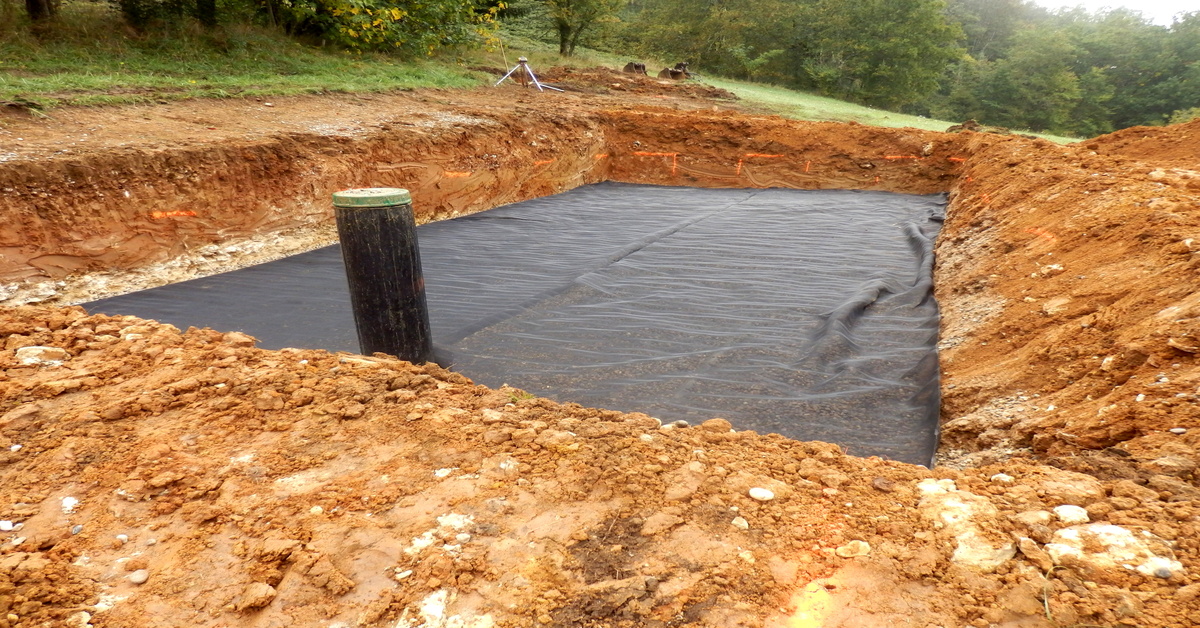
Pit liners are critical for containing liquids and preventing contamination of soil and groundwater. They serve as impermeable barriers in various applications, from agricultural ponds to industrial waste lagoons. Choosing the right material for your project is essential for long-term performance and environmental protection.
With several options available, understanding the unique properties of each material helps you make an informed decision. This overview covers the top materials used for pit lining projects and what makes each one suitable for different needs.
Factors To Consider When Selecting a Pit Liner
Before diving into specific materials, consider a few key factors that will guide your selection. First, think about the type of liquid you need to contain. Is it water, chemicals, or waste byproducts? The liner material must be compatible with the contained substances to avoid degradation.
Also, consider the liner’s exposure to the elements. Will it be buried or exposed to direct sunlight? UV resistance is a vital consideration for exposed liners. Finally, assess the site’s physical demands, including the potential for punctures and the required lifespan of the liner.
High-Density Polyethylene (HDPE)
High-Density Polyethylene (HDPE) is a popular choice for pit liners because of its excellent chemical resistance and durability. HDPE is a thermoplastic geomembrane known for its strength and high puncture resistance, making it suitable for demanding applications. It holds up well against a wide range of chemicals and is highly resistant to UV degradation, so it performs well in exposed conditions. While its stiffness can make installation more challenging on complex terrains, its reliability and long service life make it a go-to for landfills, mining operations, and large containment ponds.
Linear Low-Density Polyethylene (LLDPE)
Linear Low-Density Polyethylene (LLDPE) offers more flexibility than HDPE, making it a great alternative for projects with contours and corners. This flexibility allows it to conform better to the subgrade, reducing stress and the risk of cracking. LLDPE provides a good balance of puncture resistance and elongation. It is ideal for decorative ponds, canals, and agricultural applications where a snug fit is important. While it has good chemical resistance, it is slightly less robust than HDPE in harsh chemical environments.
Reinforced Polypropylene (RPP)
Reinforced Polypropylene (RPP) liners are strong yet lightweight, combining a polypropylene fabric with a UV-resistant coating. The reinforcing scrim gives RPP exceptional tear and puncture resistance, making it suitable for oilfield pit liners and applications where the liner may face rough handling. RPP is also flexible and stable in a wide range of temperatures. Its combination of strength and workability makes it a versatile choice for everything from frac ponds to secondary containment systems.
Ethylene Propylene Diene Monomer (EPDM) Rubber
Ethylene Propylene Diene Monomer (EPDM) is a synthetic rubber known for its superior flexibility and durability. EPDM liners are highly resistant to weathering, UV radiation, and extreme temperatures, maintaining their elasticity for decades. This material is easy to install and repair, which can lower long-term maintenance costs. EPDM is an excellent choice for water features, irrigation ponds, and canals where long-term, reliable water containment is the primary goal.
Polyvinyl Chloride (PVC)
Polyvinyl Chloride (PVC) liners are highly flexible and abrasion-resistant. You can fabricate them into large panels, which reduces the amount of field seaming required during installation. PVC offers good resistance to a variety of chemicals and is ideal for landfill caps, canal linings, and soil remediation projects. However, it is less UV-resistant and may require a protective cover when used in exposed applications.
Making the Right Choice
Selecting the best pit liner material comes down to the specific demands of your project. By carefully considering the chemical compatibility, environmental exposure, and physical stress your liner will face, you can select a material that offers reliable, long-lasting containment. For expert guidance tailored to your project’s unique needs, contact our team to discuss which material will provide the optimal solution.