
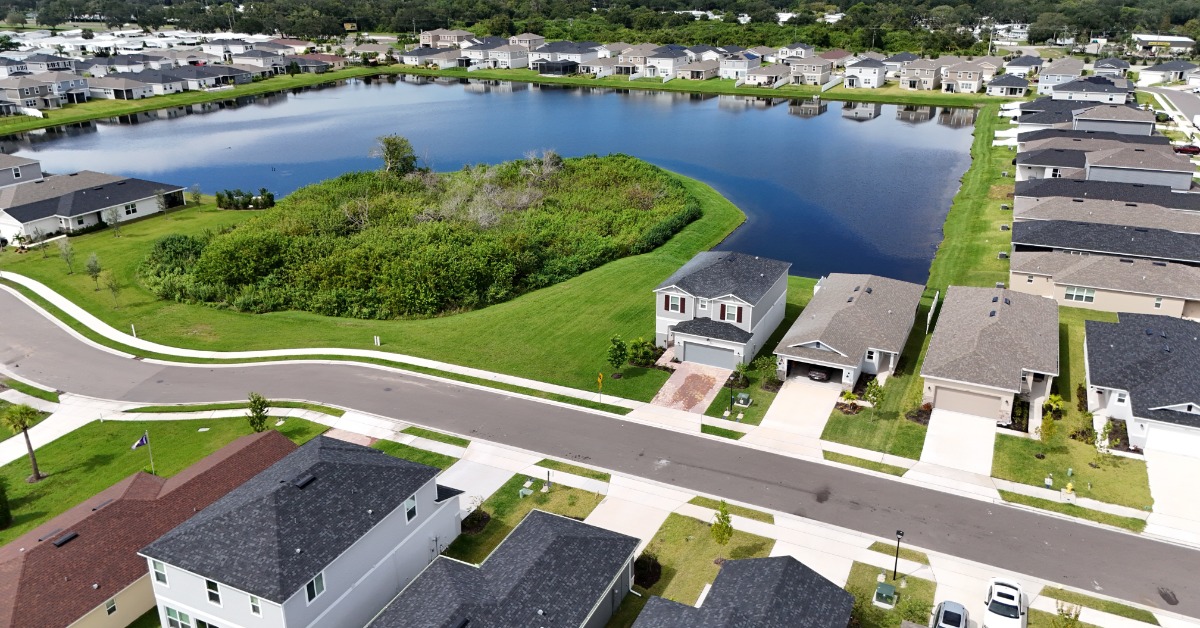
Wet retention ponds offer commercial properties a practical way to manage stormwater while maintaining a permanent pool of water. Property owners, agricultural operations, golf courses, and municipalities may use these ponds to control runoff across large sites. However, wet retention pond designs present both advantages and challenges that warrant careful consideration before construction begins.
What Makes a Wet Retention Pond Different
A wet retention pond maintains a permanent water level rather than draining completely after rainfall. Incoming stormwater raises the level, and the pond releases excess water at a controlled rate.
The permanent pool can support stormwater management while adding a water feature to a large property. Site planners must consider available space, expected runoff, and long-term maintenance when they develop the design.
Better Runoff Management
One major advantage is the pond’s ability to collect stormwater during heavy rainfall. The pond provides a designated place for runoff to flow, instead of letting water spread across roads or developed areas.
A carefully planned system can also slow the movement of water across a site. That controlled flow may help property managers handle changing weather conditions more effectively.
Greater Water Retention
Wet retention ponds also keep water available between storms. Agricultural properties or other commercial sites may find that feature useful when they need dependable water storage on the property.
The pond bottom also requires careful planning when the site needs to limit water loss. Water reservoir liners can create a dependable barrier between stored water and surrounding soil when site conditions call for a lined system.
More Space and Maintenance
Wet retention ponds require enough land to accommodate their permanent pool and surrounding slopes. That space requirement can create challenges on crowded commercial properties.
Owners also need to plan for ongoing upkeep. Crews may need to manage sediment buildup, vegetation growth, or debris as conditions change. Regular attention helps the pond continue to function as intended.
Higher Planning Demands
A wet pond usually requires more design consideration than a simple drainage area. Contractors need to account for site grading, water levels, and liner requirements where applicable.
Poor planning can lead to issues with water retention or pond performance. Working with experienced professionals helps property owners choose materials and dimensions that suit the site.
Weighing the Right Design
Wet retention pond designs have their pros and cons. They can provide reliable stormwater control and long-term water storage for large properties, but they also require adequate space and consistent maintenance.
Property owners should evaluate how the pond will function within the larger drainage system before moving forward. A design that matches the site can support reliable water management while providing the property with a practical solution for handling runoff.