
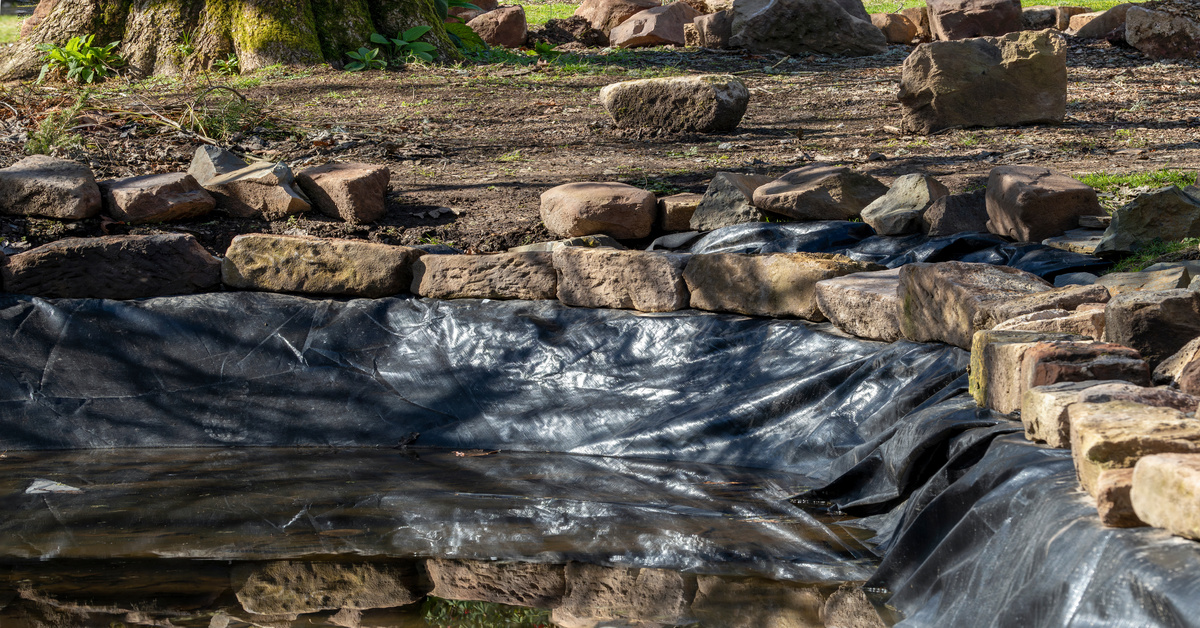
Building a backyard pond transforms an ordinary outdoor space into a tranquil sanctuary. However, that peace of mind disappears quickly if water starts leaking into the surrounding soil. The long-term success of your water feature depends heavily on the barrier you choose to hold that water in place. With so many options available on the market, selecting the right material might feel overwhelming, but understanding the core differences between pond liner types saves you time, money, and frustration down the road.
Comparing Common Liner Materials
Three primary materials dominate the market: PVC, EPDM, and RPE. Each offers distinct characteristics regarding weight, durability, and cost.
PVC
Polyvinyl Chloride (PVC) typically attracts budget-conscious buyers first. It provides high flexibility and low upfront costs. PVC struggles significantly against sunlight. Direct UV exposure degrades the material quickly, causing it to become brittle and crack. You must bury PVC completely to preserve its lifespan, limiting your design options.
EPDM
Ethylene Propylene Diene Monomer (EPDM) sheets often go by the name rubber pond linersdue to their weight and texture. This material conforms easily to complex pond shapes, shelves, and corners. While popular for its flexibility, EPDM is heavy, making it difficult to ship and install without help. It also remains susceptible to punctures from rocks or roots compared to reinforced options.
RPE
Reinforced Polyethylene (RPE) stands out for its impressive strength-to-weight ratio. Manufacturers weave reinforcing fibers into the plastic, creating a thinner yet stronger material. RPE resists tears and punctures far better than EPDM or PVC. Additionally, RPE weighs significantly less, which simplifies installation for DIY enthusiasts and professionals alike.
Factors To Consider For Your Project
Your specific landscape and climate should dictate your choice. If you live in a sunny region, UV resistance becomes the top priority, making RPE a superior option over PVC. If your soil contains sharp rocks or aggressive tree roots, you need the high puncture resistance that reinforced liners provide. Furthermore, if you plan to keep Koi or other fish, you must verify that the material is fish-safe, as some plastics leach harmful chemicals into the water.
Western Environmental Liner Options
Western Environmental Liner creates custom solutions tailored to specific project needs. The company specializes in Reinforced Polyethylene (RPE) liners, such as the Aqua 12, Aqua 16, and Aqua 24 series. These products offer high UV resistance and durability without the excessive weight of rubber. Because Western Environmental Liner fabricates panels in the factory, we can create massive single-piece liners. This fabrication reduces or eliminates the need for field seaming, which is often the weak point in a containment system.
Making The Right Choice
Your pond deserves a reliable foundation. Picking the right pond liner protects your investment and keeps the water exactly where it belongs. While PVC might save money initially, RPE often provides the best balance of durability and ease of installation for long-term satisfaction. Analyze your site conditions, consider the lifespan you expect, and choose a material that handles the elements.