
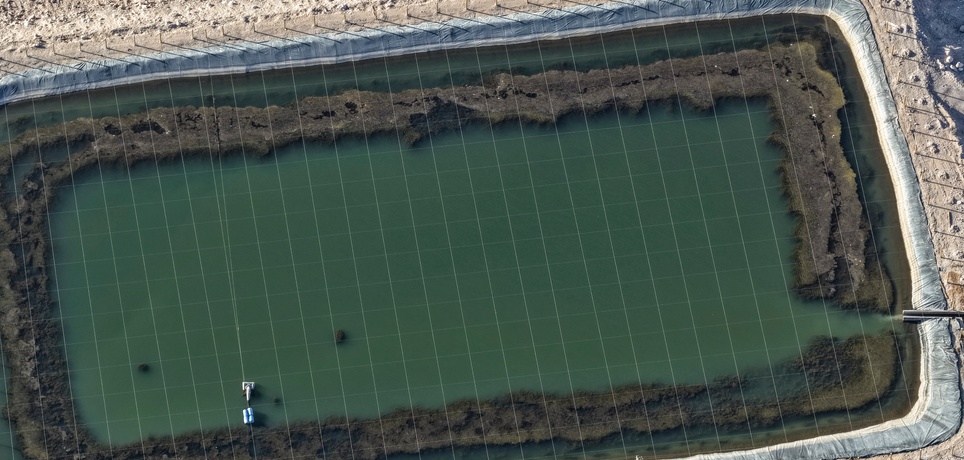
A pond liner does a lot of quiet work beneath the surface. It helps control water loss, protects the surrounding soil, and supports the long-term performance of the entire site. When you manage a commercial, agricultural, municipal, or golf course pond, you need a liner that can handle real conditions without constant attention.
The right durable pond liner starts with the right features. Before you choose one, look at how the material, fabrication, and installation needs fit your project.
Strong Material
Durability starts with material strength. A pond liner needs to resist punctures, tears, and daily stress from soil movement, water pressure, equipment, and changing weather. Thin or weak materials may cost less at first, but they can create bigger problems later.
Look for a liner made from tough geomembrane material that can handle demanding applications. A strong liner helps your pond perform well through regular use, seasonal changes, and site-specific pressure.
Flexible Fit
No two ponds have the exact same layout. Slopes, corners, depth changes, and drainage needs can all affect liner performance. A durable liner should fit the pond’s shape without pulling, bunching, or leaving weak spots.
Custom fabrication can make a major difference here. When crews prefabricate larger liner panels, they reduce the amount of field seaming needed during installation. That can make the process more efficient and help the liner fit the site more cleanly.
Reliable Seams
Seams deserve close attention because they can affect the liner’s overall strength. Even a high-quality material can struggle when seams don’t hold up under pressure. A durable pond liner needs strong, consistent seams that match the demands of the application.
For a retention pond liner, seam quality plays an important role because the liner may need to manage large volumes of water over long periods. A properly fabricated liner gives the entire system a better chance to perform as planned.
Weather Resistance
Outdoor liners face sun, wind, rain, and temperature swings. Over time, those conditions can wear down materials that don’t have the right protective qualities. A durable liner should resist UV exposure and stay stable through changing seasons.
Weather resistance matters most for ponds with exposed edges or fluctuating water levels. When the liner can handle environmental stress, site managers can spend less time worrying about premature wear.
Efficient Installation
A durable liner should also support a smoother installation. Heavy, difficult materials can slow down a project and create more handling challenges. Lightweight, strong materials can help crews move faster without sacrificing performance.
Ease of installation also affects long-term results. When installers can place and secure the liner correctly, they reduce the risk of wrinkles, stress points, and alignment problems.
Long-Term Value
The best pond liner isn’t just tough on day one. It should support the pond’s performance for years. Look for a liner that balances strength, flexibility, fabrication quality, and installation efficiency.
A durable pond liner has the features to protectagainst more than water. It protects budgets, schedules, and the work that depends on a reliable pond system. When you choose the right features from the start, you givFe your project a stronger foundation.