
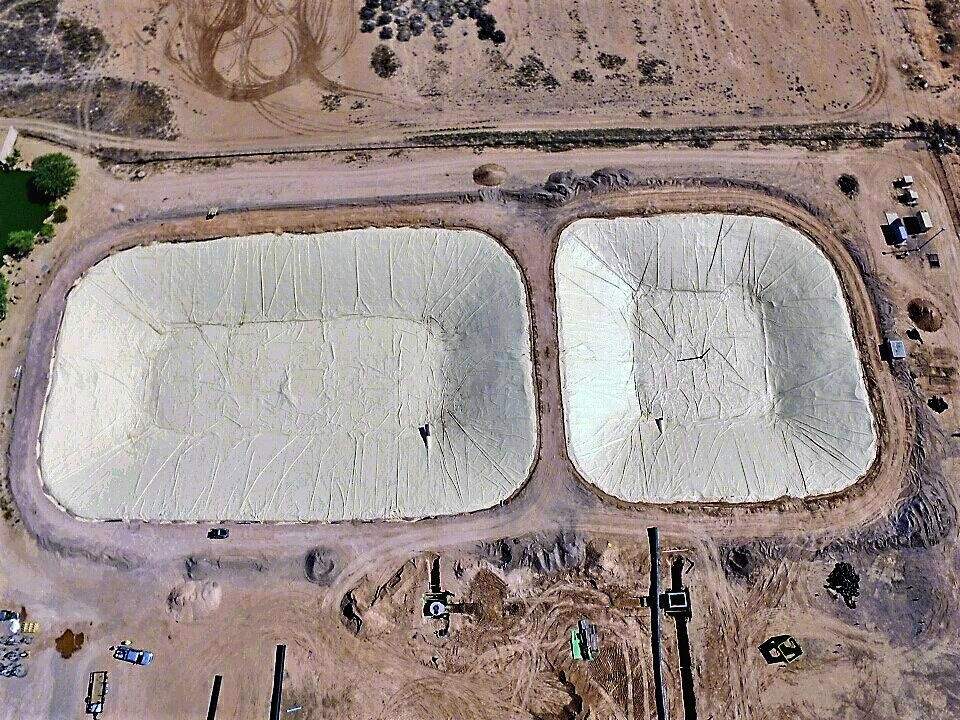
Sewage lagoons, when properly designed and maintained, are among the simplest and most reliable wastewater treatment systems. Their openness, biological processes, and low mechanical complexity make them particularly attractive for rural communities, farms, and facilities with large available land areas. Yet their very simplicity can lead to the assumption that they need little attention, and this is where problems begin. Avoiding common sewage lagoon issues starts with understanding how these systems function, recognizing the symptoms of early trouble, and knowing the general approaches that restore balance before small concerns become costly failures.
Sludge
One of the most common lagoon problems involves poor sludge management. Over time, solids settle on the lagoon floor, gradually accumulating into a thickened layer that reduces treatment capacity and disrupts flow patterns. As sludge levels climb, the lagoon’s effective depth decreases, oxygen transfer becomes more difficult, and microbial activity shifts toward odor-producing anaerobic zones. The telltale signs of a sludge problem include sluggish water movement, increased odor episodes, and floating solids near the surface. Regular monitoring of sludge depth with a sampling tube or sounding device is essential, and the solution usually lies in scheduled sludge removal or dredging before the layer becomes excessive. Maintaining a reasonable sludge level not only preserves lagoon volume but also improves the biological health of the system.
Oxygen
Another major issue arises from inadequate aeration or oxygen availability. Even lagoons that rely partly on natural oxygen transfer require consistent air exchange to maintain the right balance of aerobic and anaerobic processes. When oxygen levels drop, organic breakdown slows, algae may die off, and odors become more frequent and more intense. Water may take on a dull, grayish appearance, or form scummy patches of decaying material. The general solution to oxygen-deficit problems is to enhance aeration, either by repairing existing mechanical aerators, adding wind-powered or diffused-air systems, or improving circulation patterns. Maintaining clear access to sunlight and preventing excessive shading from vegetation can also support the algae that naturally produce oxygen in the upper layer of the lagoon.
Algae
Algal blooms themselves can be both a sign and a source of trouble. While some algae are normal and beneficial, excessive growth leads to pH swings and often increased odors. A lagoon experiencing an algal bloom often shows bright green or blue-green surface coloration, floating mats, or rapid changes in clarity throughout the day. These symptoms often reflect nutrient imbalance, especially too much nitrogen or phosphorus entering the system from upstream sources. Solutions generally focus on reducing nutrient inputs, improving pre-treatment of influent, and ensuring that internal mixing is strong enough to limit stagnant zones where algae can flourish. In some cases, shading techniques, controlled dye applications, or barley straw treatments are used, but these approaches must align with local regulations.
Odor
Odor problems are among the most noticeable and concerning symptoms for nearby residents. While nearly every lagoon emits mild earthy smells at times, strong rotten-egg odors indicate hydrogen sulfide production, which in turn points to anaerobic pockets or organic overload. These odors often become more pronounced during hot weather or after a sudden influx of high-strength wastewater. Addressing odor issues usually requires restoring aerobic conditions by increasing aeration, adjusting flow distribution to avoid shock loads, and ensuring that sludge levels are not excessively high. Sometimes the solution lies outside the lagoon, such as repairing broken sewer lines that allow septage-like waste to enter unexpectedly or eliminating illegal dumping into the collection system.
Overload
Hydraulic overload is another significant cause of lagoon malfunction. When too much water enters the system, whether through heavy rainfall, groundwater infiltration into sewer lines, or an unexpected increase in population, the retention time becomes too short for proper treatment. Symptoms may include turbid effluent, high levels of suspended solids, and regulatory test failures. The lagoon may look visibly disturbed, with short-circuiting water pathways that move too quickly from inlet to outlet. Solutions generally involve reducing inflow through sewer repairs and inflow-and-infiltration control programs, adding or expanding lagoon cells, or reconfiguring baffles and partitions to improve flow patterns. Maintaining adequate retention time is central to lagoon performance.
Banks
Vegetation problems, especially along banks and within the water itself, can also compromise lagoon function. Excessive cattails or reeds growing in shallow areas alter circulation, trap solids, and promote mosquito breeding. Symptoms include localized stagnation, narrow channels of open water, and erosion or burrowing along embankments. Wet or marshy banks and surroundings indicate seepage from the lagoon into the soil, a sign that the geomembrane liner common to most lagoons has become compromised in some way – possibly from root networks encroaching into the lagoon. Solutions include mowing, herbicide use where permitted, and regular removal of cattails before they become established. Protecting the embankment from animal burrows is also part of this preventive approach. Avoiding sewage lagoon problems ultimately depends on vigilance and routine observation. The symptoms of trouble rarely appear all at once; they often begin subtly, with a slight increase in odor, a patch of unusual coloration, or a change in water level. When operators know what to look for and respond with the appropriate corrective actions, whether removing sludge, increasing aeration, reducing hydraulic load, or repairing structural elements, most issues can be managed long before they escalate. A sewage lagoon, despite its simplicity, is a living system that thrives on balance. Maintaining that balance ensures consistent treatment performance, community acceptance, and long-term financial sustainability.