
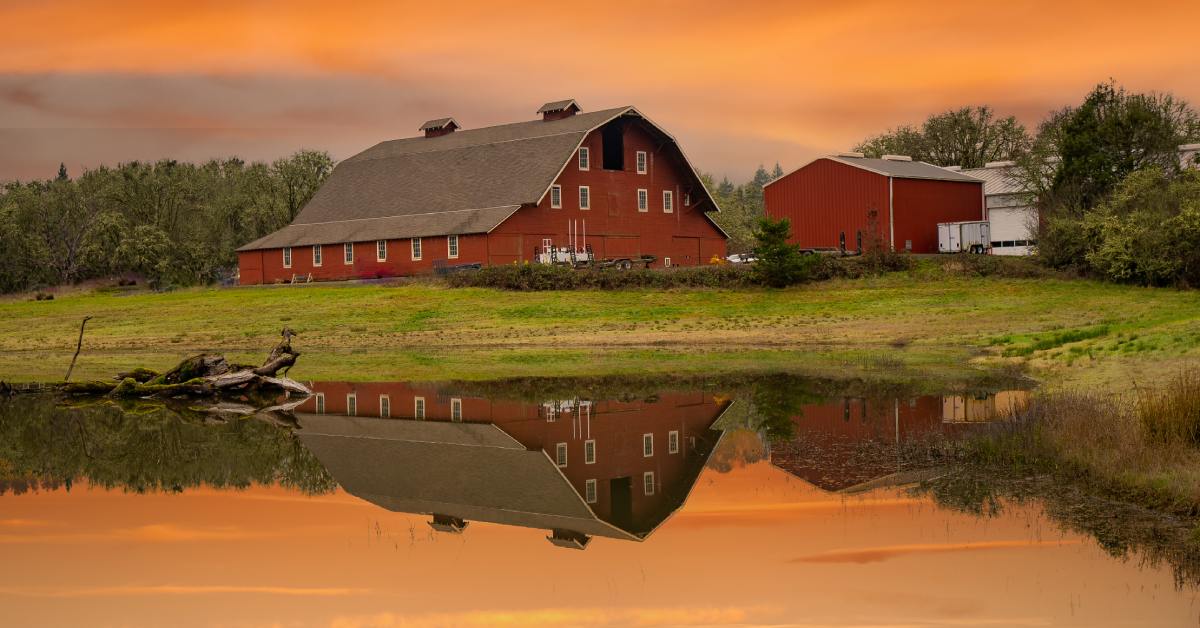
Managing a large water feature involves far more complexity than overseeing a simple backyard koi pond. Whether you maintain an agricultural reservoir, a municipal water project, or a commercial containment area, the stakes remain incredibly high. Water loss through seepage, soil erosion, and environmental contamination can quickly transform a valuable water asset into a costly liability. You need a solid, strategic approach to maintain stable water levels and secure your containment system. Use these essential tips for managing large ponds effectively.
Prioritize Proper Planning and Design
You must start with a comprehensive evaluation of your specific site conditions. This evaluation involves accounting for slope ratios, analyzing soil composition, and identifying potential runoff issues before you even break ground. A well-executed design minimizes future maintenance headaches by anticipating exactly how the surrounding landscape interacts with the water. You should accurately determine the volume requirements and the specific shape that best fits your intended use, which will help you calculate the exact liner dimensions.
Select the Right Liner Material
Your choice of liner material directly determines the project’s longevity and success. You need a solution that withstands harsh UV exposure and resists punctures from rocky or uneven subgrades. Aqua 30, a 30 mil reinforced polyethylene liner, provides exceptional durability for these rigorous applications. This engineered material effectively meets environmental demands, making it a dependable choice for farm reservoirs and containment ponds where retaining water is critical.
Leverage Prefabricated Liners
Field seams often represent the weakest point in any water containment system. You can significantly reduce the risk of leaks and installation errors by choosing factory-fabricated liners. Western Environmental Liner uses specialized machinery to produce single-piece liners up to 200,000 square feet. These massive sheets arrive at your site with consistent factory welds, eliminating variables associated with outdoor welding, such as wind, rain, and inconsistent power sources. Using big pond liners that come in one piece speeds up the installation process and improves overall reliability.
Rely on Professional Installation
Even the most durable material can fail if installed incorrectly. Professional installers understand exactly how to handle subgrade preparation and anchoring systems to maximize the lifespan of the liner. They prevent damage during the deployment of heavy materials and verify that the liner sits correctly against the substrate without bridging or excessive tension. Western Environmental Liner provides technical support for these critical aspects, guaranteeing the system performs as intended.
Commit to Regular Maintenance
A consistent inspection schedule catches small issues before they spiral into expensive disasters. You should regularly check for signs of wear, shifting soil, or animal damage along the banks. Keeping vegetation in check prevents aggressive root systems from compromising the liner integrity. A proactive approach saves money and protects your investment over the long term.
Effective pond management requires a strategic blend of smart design, quality materials, and ongoing care. By choosing durable, factory-welded options, you build a foundation for long-term success. Contact Western Environmental Liner today to discuss how custom fabrication can streamline your next water containment project.