
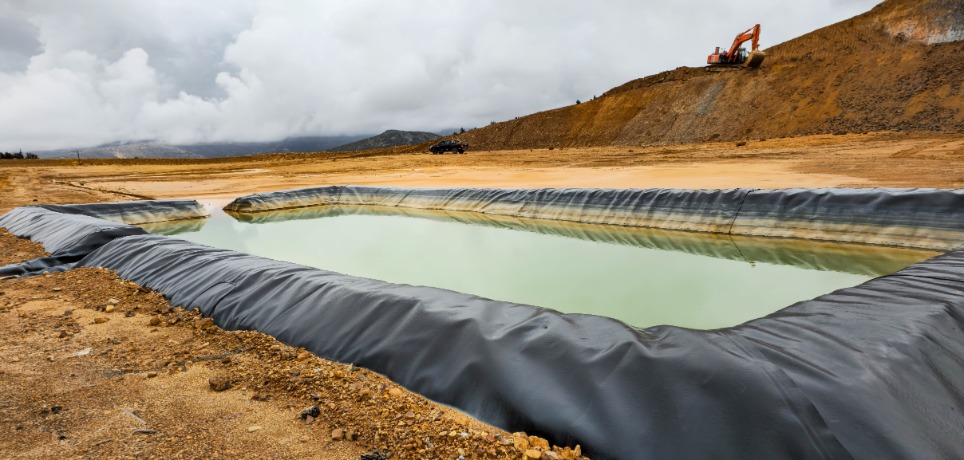
At a glance, two industrial containment pits may look identical. The liquids inside can tell a very different story, especially when one pit handles drilling waste and the other stores water for an upcoming operation. Understanding the different types of industrial containment pits helps you plan a containment system that fits the job.
How Containment Pits Work
Some pits hold fluids during active operations, while others support treatment or temporary storage. The contents influence material choices and whether local rules allow an open pit at all. Before construction, review applicable requirements with your contractor.
Reserve Pits
Drilling operations generate mud and rock cuttings that crews need to collect. A reserve pit holds these materials while workers manage drilling waste and prepare for cleanup. Because its contents may include salts or other contaminants, the pit needs a containment plan that fits the site.
Frac Pits
Hydraulic fracturing projects can require substantial volumes of water near the work area. Frac pits provide temporary storage that helps crews stage water for upcoming operations. When selecting frac pit liners, consider how long the pit will operate and whether equipment could damage the material.
Produced Water Pits
Oil and gas production can bring salty water to the surface alongside hydrocarbons. Produced water pits temporarily hold this liquid before crews move it for treatment or approved disposal. Operators need to consider the liquid’s composition because liner materials differ in chemical resistance.
Settling and Skimming Pits
Some sites need to separate solids from fluids before the next processing stage. Settling pits give heavier particles time to sink, while skimming pits let crews remove oil that rises to the surface. Both help operators manage mixed waste streams, but each handles a different separation task.
Emergency Containment Pits
Even careful operations need plans for unexpected releases or equipment problems. Where local rules allow them, emergency pits provide short-term space for liquids during disruptions. Crews should plan how to remove the collected fluid promptly rather than treat the pit as permanent storage.
Evaporation Pits
Some facilities use evaporation pits to reduce the volume of water they need to manage. These pits rely on warmth and dry conditions to let water evaporate over time. Climate influences their performance, and local regulations may restrict their use.
Match the Liner to the Job
The right pit liner depends on more than basin dimensions. Explain what the pit will contain and whether sunlight or heavy equipment could create additional wear. A liner specialist can help compare compatible materials and plan custom panel sizes for the project.
Plan With Confidence
Understanding the different types of industrial containment pits helps you choose a design that fits your operation. Once you know what the pit will hold and how crews will use it, you can plan a more practical containment system. Western Environmental Liner offers custom-fabricated containment liners for commercial projects, so contact the team to discuss your needs and request a quote.