
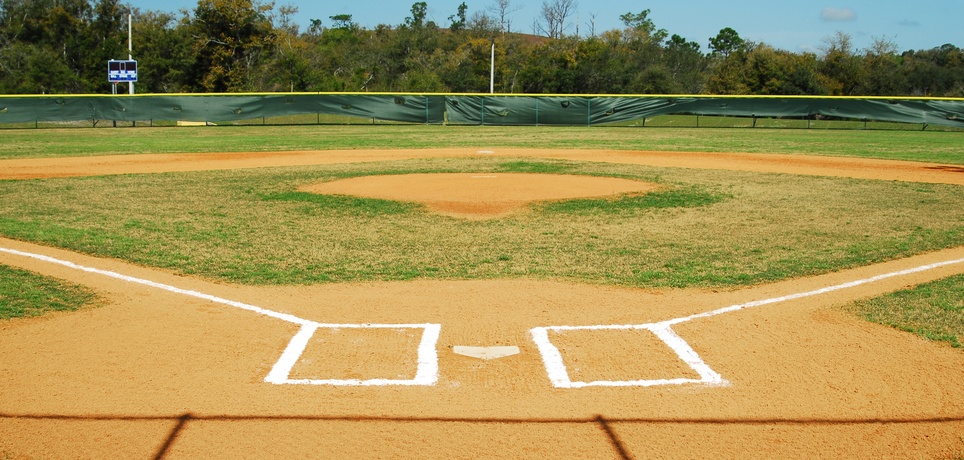
When a baseball field faces heavy rain, daily sunlight, and constant wear, the right tarp can make a significant difference. Field managers and maintenance teams need a cover that fits their schedule, budget, and performance requirements. That’s why many buyers compare vinyl and poly before making a decision.
Both materials serve a purpose, but they do not perform the same way. The better choice often comes down to how often the tarp gets used, how long it needs to last, and what kind of field conditions it faces. This comparison of vinyl and poly tarps will help you choose the right one for your baseball field.
Vinyl
Vinyl works well for crews that need long-term durability and reliable performance. It tends to feel heavier and stronger, which helps it stay in place and withstand repeated use. On busy fields, that added strength is important because staff members pull, fold, store, and reposition the tarp repeatedly throughout the season.
Many buyers choose vinyl baseball field tarps when they want a product that can handle demanding conditions without wearing down too quickly. Vinyl also gives users a more substantial material, which can feel like a better fit for commercial and institutional settings where reliability matters more than a low upfront cost.
That said, the added weight can make handling more labor-intensive. A heavier tarp may require more people to move and store it, especially on large fields.
Poly
Poly tarps appeal to buyers who want a lighter and more budget-friendly option. They are easier to carry, pull across the field, and fold after use. For teams with smaller crews or less frequent tarp use, that lighter weight can make daily handling much simpler.
Poly can work well when a field needs practical rain protection without the higher investment that often comes with vinyl. It gives buyers a straightforward option for lighter-duty applications and shorter-term needs.
Still, poly usually does not offer the same level of toughness as vinyl. On fields with frequent use or rough conditions, it may show wear sooner and need replacement faster.
Which One Fits Your Field
The best tarp depends on how your crew uses it. If your field sees frequent games, regular maintenance activity, and demanding weather, vinyl often delivers more value over time. If your crew wants something lighter and more affordable for occasional coverage, poly may make more sense.
For commercial buyers, municipalities, sports complexes, and other large-scale operations, the right fit often comes from more than material alone. Product quality, fabrication, and proper sizing also shape how well a tarp performs in the long run.
Closing Thoughts
Vinyl and poly tarps both offer clear benefits for baseball fields, but they serve different needs. Vinyl provides strength, durability, and a more heavy-duty feel, while poly offers lighter handling and a lower initial cost. When choosing between the two, it’s helpful to consider field requirements, crew capacity, and long-term value instead of focusing on price alone. Western Environmental Liner supports large-scale and commercial customers with custom liner solutions and a practical, customer-focused approach, so content for this audience should remain clear, professional, and centered on real-world performance.