
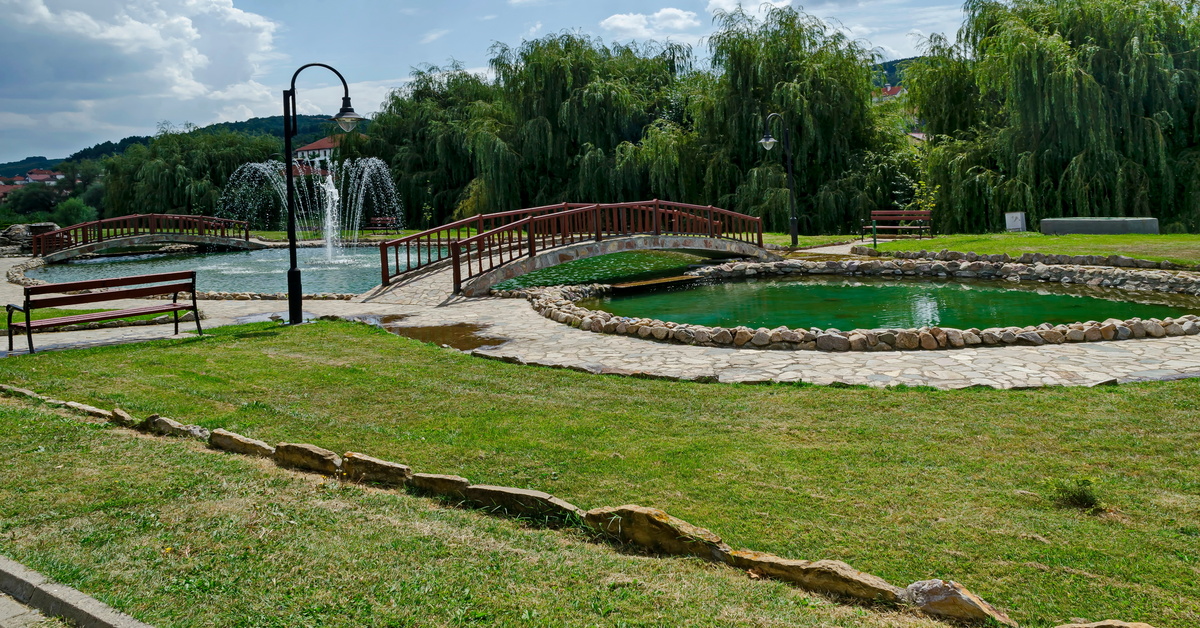
City ponds can be attractive features in public parks, residential developments, commercial properties, and urban green spaces. They provide habitat for wildlife, create places for recreation, and help manage stormwater runoff. Good design will consider the principal purpose of the pond, including its sensitivity to contaminants and the degree of containment required—and these elements will affect the type of pond liner used.
Ponds in urban environments often face water quality challenges that require regular monitoring and maintenance. Runoff from roads, lawns, parking lots, and surrounding buildings can introduce pollutants, excess nutrients, and sediment, while warm temperatures and stagnant water can encourage algae growth and other problems.
Algae
One of the most visible problems in city ponds is excessive algae growth. Algae occur naturally in freshwater, but populations can increase rapidly when water contains too much nitrogen and phosphorus. These nutrients often enter ponds through fertilizer runoff, pet waste, decomposing leaves, and stormwater flowing from developed areas.
The resulting algae blooms can turn water green, form floating mats, create unpleasant odors, and interfere with recreational use. Some cyanobacteria, commonly called blue-green algae, can produce toxins that pose risks to people, pets, and wildlife.
Excessive nutrients can also encourage the growth of submerged and floating aquatic plants. Although vegetation provides habitat and helps stabilize pond ecosystems, uncontrolled growth can restrict open water, interfere with circulation, and contribute to oxygen depletion when plant material dies and decomposes.
Rather than repeatedly treating visible algae, a better solution is to reduce nutrient inputs to begin with. Buffer strips of vegetation, careful fertilizer use, and effective stormwater management can help limit the nutrients entering a pond.
Oxygen
Fish and many other aquatic organisms depend on dissolved oxygen to survive. In city ponds, oxygen levels can fall when organic material accumulates, water circulation is limited, or algae and aquatic plants die and decompose.
Warm weather makes the problem more likely because warm water holds less dissolved oxygen than cold water. At night, algae and plants consume oxygen through respiration, and oxygen levels may fall particularly low before sunrise. During severe episodes, fish may gather near the surface, gasp for air, or die in large numbers.
Low oxygen can also contribute to unpleasant odors and the release of certain nutrients from pond sediments, potentially reinforcing algae problems.
Aeration systems, fountains designed to circulate water, and appropriate management of organic debris can help improve oxygen conditions. The solution is tailored to the pond itself, and depends on pond depth, size, circulation patterns, and the underlying cause of oxygen depletion.
Sediment
City ponds frequently receive sediment washed from construction sites, bare soil, roadsides, landscaped areas, and eroding banks. Suspended particles make the water cloudy or muddy, reducing the amount of sunlight that reaches underwater plants.
Excessive sediment can gradually fill a pond, reduce its storage capacity, and cover important aquatic habitats. It may also carry attached pollutants, including phosphorus, metals, and other contaminants.
Erosion control, properly maintained stormwater inlets, sediment traps, and vegetated pond edges can reduce the amount of material entering the water. Where sediment has already accumulated substantially, dredging may be necessary, provided the work is planned and carried out appropriately.
Pollution
Urban runoff can carry a wide range of contaminants into ponds. Fertilizers, pesticides, herbicides, detergents, vehicle fluids, and residues from roads and parking areas may enter through storm drains. Depending on the surrounding land uses, runoff may also contain heavy metals, petroleum-related compounds, and other chemicals.
These pollutants can harm aquatic organisms, contaminate sediments, or make the water unsuitable for certain recreational activities. Some contaminants are difficult to detect without laboratory testing, so a pond that looks clean is not necessarily free of pollution.
Regular water testing can help identify problems before they become severe. Testing priorities depend on the pond’s location and intended use, but may include nutrients, pH, dissolved oxygen, conductivity, bacteria, and specific chemical contaminants when local conditions warrant investigation.
As always, prevention is better than cure, and source control is essential. Preventing pollutants from entering storm drains, maintaining landscaped areas responsibly, and using appropriate pretreatment systems can reduce contamination more effectively than attempting to treat the entire pond after pollutants arrive.
Bacteria
Ponds used for fishing, wading, or other recreational activities may experience elevated bacterial levels. Pet waste, waterfowl droppings, leaking sanitary infrastructure, and contaminated stormwater can introduce microorganisms into the water.
High concentrations of indicator bacteria, such as E. coli, may signal contamination and an increased risk of illness through accidental ingestion or contact with open wounds. The presence of waterfowl alone does not establish that a pond is unsafe, but heavy concentrations can contribute to water quality concerns.
Where public contact is expected, appropriate bacterial testing and clear communication about recreational restrictions are important. Suspected sewage contamination requires prompt investigation and corrective action.
Odor
Foul-smelling water can result from decomposing organic matter, oxygen-depleted sediments, excessive algae, or sewage contamination. A rotten-egg odor, for example, may indicate hydrogen sulfide produced under oxygen-poor conditions.
Water color can also provide useful clues. Green water may suggest abundant algae, brown water may reflect organic matter or sediment, and unusual discoloration may warrant investigation for chemical contamination.
Removing accumulated organic debris, improving circulation where appropriate, and addressing the source of pollution can help resolve many odor problems.
Keeping City Ponds Healthy
Maintaining good water quality requires a combination of prevention, monitoring, and timely intervention. Regular inspections can identify algae growth, erosion, floating debris, unusual odors, and changes in water clarity before problems become more serious. Periodic testing helps determine whether the underlying causes involve nutrients, oxygen depletion, bacteria, or chemical contaminants.
Effective management also considers the pond’s role in the surrounding landscape. A stormwater retention pond, ornamental pond, and recreational fishing pond may have different water quality objectives and maintenance requirements. By controlling runoff at its source, maintaining appropriate vegetation, managing sediment, and responding to problems based on reliable testing, cities and property managers can protect the health, appearance, and long-term usefulness of their ponds.