
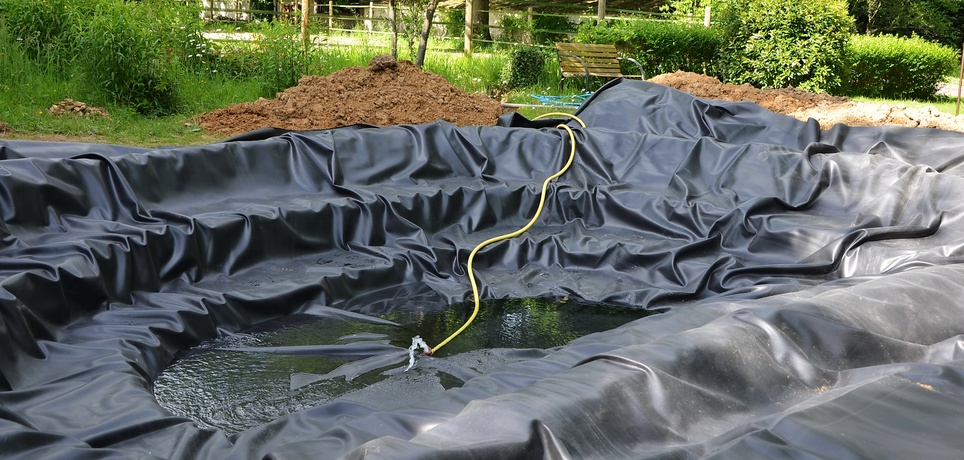
Building a large pond might seem as simple as choosing a location and bringing in excavation equipment. However, commercial ponds require more planning than many property owners anticipate. Whether you’re creating an irrigation reservoir or adding a water feature to a golf course, common misconceptions can lead to costly mistakes. Understanding the facts behind these common myths can help you approach large pond construction with greater confidence.
Myth 1: Any Location Will Work
An empty stretch of land doesn’t automatically make a good pond site. The property’s slope and existing drainage patterns influence how water moves across the landscape.
Before choosing a location, consider the soil conditions and how construction crews will access the area. Nearby structures can also limit your options. Taking time to evaluate the property helps you avoid unexpected challenges once excavation begins.
Myth 2: Deeper Ponds Are Always Better
A deeper pond doesn’t necessarily provide better performance. Additional depth increases excavation work and can create steeper banks that require careful planning.
Instead of digging as deep as possible, focus on how much water your operation needs. Your pond’s intended purpose should guide its dimensions. A thoughtful design can provide adequate storage capacity without unnecessary excavation expenses.
Myth 3: All Pond Liners Work the Same
When browsing large pond liners for sale, you might assume that any sufficiently large material will work. However, different projects require different liner specifications.
Your pond’s dimensions and operating conditions influence material selection. Custom fabrication can accommodate irregular basin shapes, while larger prefabricated panels can reduce the number of seams crews need to create on-site.
Working with an experienced liner provider helps you find a practical solution for your project.
Myth 4: Excavation Is the Hardest Part
Digging the basin represents only one phase of pond construction. Proper ground preparation plays an important role in protecting the liner.
Sharp rocks and uneven surfaces can damage liner material during installation. Crews should smooth the subgrade and remove potentially harmful debris before positioning the liner.
Careful preparation helps installers work more efficiently and reduces the risk of preventable damage.
Myth 5: Every Project Follows the Same Timeline
Large pond construction doesn’t follow a universal schedule. Site accessibility and pond dimensions can influence how long different phases take.
For example, limited access may complicate liner delivery or equipment movement. Unusual basin shapes may also require additional installation planning.
Coordinate with your excavation contractor and liner supplier early. Clear communication helps everyone understand when crews can begin installation.
Myth 6: Maintenance Can Wait
Once construction ends, your pond still needs attention. Regular inspections help you identify shoreline erosion and potential liner damage before those problems grow.
Watch for exposed liner edges and keep heavy equipment away from vulnerable surfaces. Following your liner provider’s maintenance recommendations can help preserve its performance over time.
Build Your Pond With Confidence
Understanding common myths about large pond construction helps you set realistic expectations and avoid costly mistakes. With the right knowledge and thoughtful planning, you can make informed decisions before breaking ground.
Western Environmental Liner specializes in custom-fabricated geomembrane liners for large commercial water containment projects. Contact the team today to discuss your pond’s requirements and request a customized quote.