
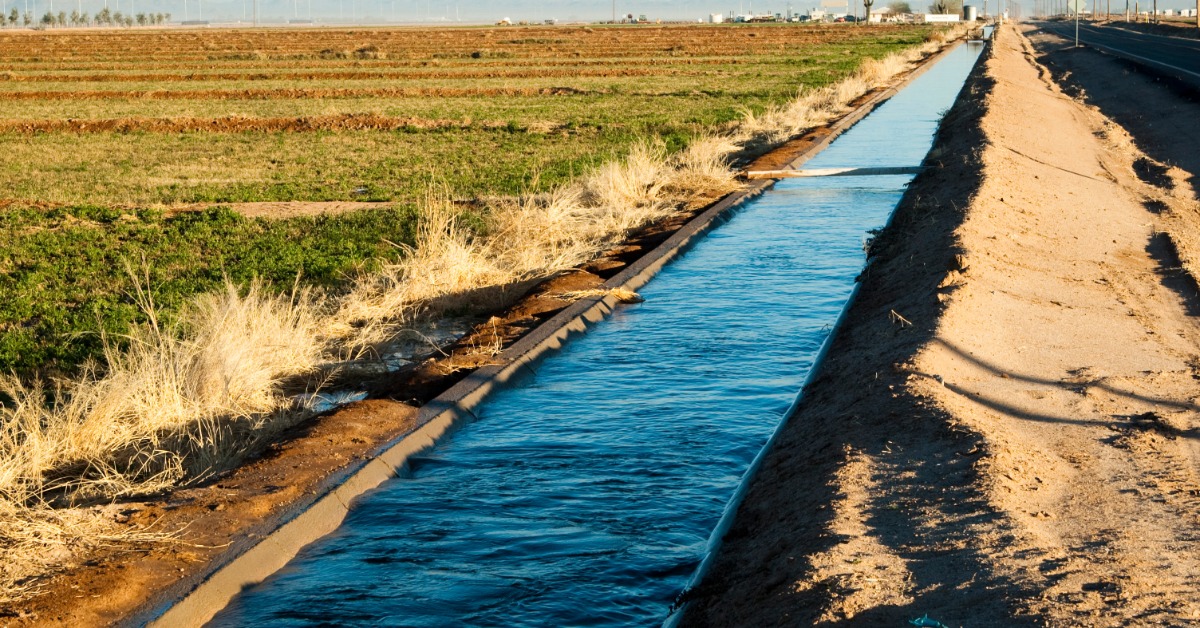
Water loss can turn a productive irrigation system into a constant source of frustration. When an irrigation ditch leaks, sloughs off at the edges, or fills with vegetation and sediment, the entire system works harder than it should. More maintenance follows, water delivery becomes less predictable, and operating costs start to climb.
That’s why the liner matters so much. The right choice can help improve flow, reduce seepage, support easier maintenance, and give the ditch a longer service life. The wrong one can create installation problems, add avoidable repair work, and fall short under site conditions that demand more strength and stability.
Choosing a liner for your irrigation ditch starts with a simple idea. You need a product that fits the ditch, the soil, the water volume, and the demands of the site. Once you look at those factors closely, the decision becomes much clearer.
Know What the Ditch Needs
No two irrigation ditches behave in exactly the same way. Some carry a steady flow over long distances, while others deal with changing water levels, shifting schedules, and heavy wear at specific points. Before selecting a liner, it helps to look at how the ditch operates every day rather than focusing only on the lowest upfront cost.
Start with seepage loss. If the ditch runs through porous or unstable soil, water can disappear faster than many operators expect. In that case, ditch lining becomes more than a maintenance upgrade. It becomes a direct way to improve water retention and make better use of the available supply.
You should also think about the shape and size of the ditch. A narrow channel with mild slopes may call for a different installation approach than a wide ditch with steep banks or irregular contours. If the layout includes turns, transitions, or varying depths, the liner needs to handle those changes without making installation harder than it needs to be.
Traffic around the ditch matters too. Equipment movement, foot traffic, livestock exposure, or routine maintenance work can place extra demands on the liner. A product that performs well in a protected setting may not hold up the same way in a busy agricultural or commercial environment.
Think About Soil and Site Conditions
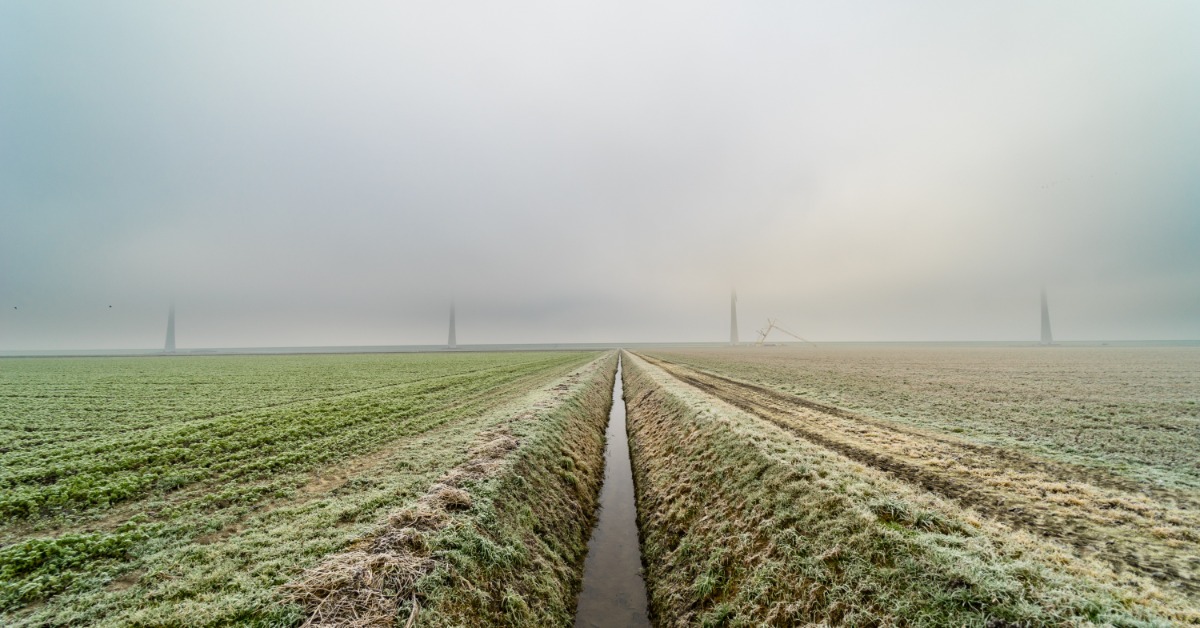
Site conditions play a major role in liner performance. Soil type, subgrade quality, and slope stability all influence how well a liner will install and how long it will last. If the ground shifts often or contains sharp rock and debris, the liner needs enough durability to handle those conditions.
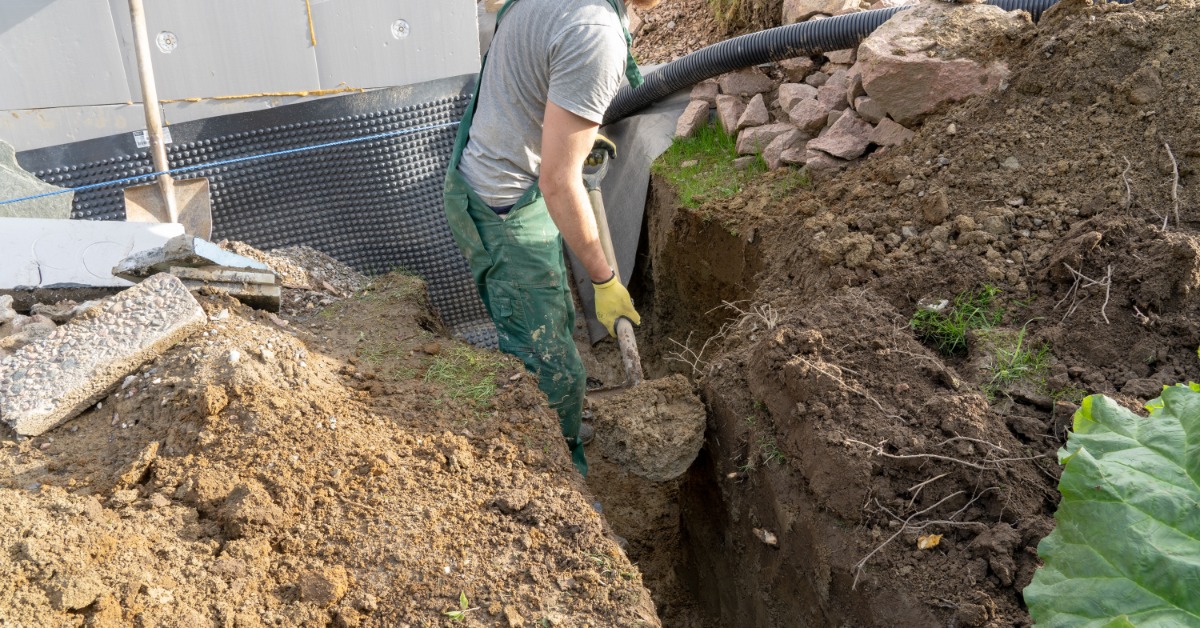
A clean and well-prepared subgrade gives any liner a better chance to perform well. When the site includes rough soil, soft spots, or uneven grading, installation becomes more difficult and long-term performance can suffer. That doesn’t mean the liner choice alone solves the problem. It means the right liner works best when it matches a realistic understanding of the site.
Climate also matters. In hot, dry regions, prolonged sun exposure and temperature swings can affect material performance over time. In areas with seasonal changes, irrigation systems may deal with expansion, contraction, and varying levels of stress across the year. A liner should fit the climate as well as the ditch itself.
If the ditch sits in an area with frequent maintenance activity, that can shape the decision, too. A liner that supports easier cleaning and sediment removal may save time long after the initial installation wraps up.
Focus on Material Performance
Many buyers start by comparing liner materials, and that makes sense. Material choice affects strength, flexibility, installation speed, and long-term value. Still, the best option rarely comes down to one feature alone. It comes from balancing performance needs with site realities.
For irrigation ditches, flexibility often matters because the liner needs to conform to the channel shape without creating unnecessary installation challenges. A liner that handles curves, slopes, and uneven contours more easily can help crews complete the job with fewer complications. That can reduce labor demands and help improve fit across the full length of the ditch.
Strength matters just as much. The liner should resist punctures, tearing, and wear from the environment around it. If the ditch runs through an area with rough ground conditions or active maintenance work, a stronger liner can help reduce the risk of damage over time.
Weight also deserves attention. A lighter material can make handling easier during installation, especially on long runs where crews need to move quickly and place large sections with care. Easier handling can improve efficiency and help keep the project on track.
That balance of strength, flexibility, and manageable installation often points buyers toward custom-fabricated geomembrane options that support larger applications and commercial performance needs.
Consider Prefabrication
Prefabrication can make a major difference when choosing a liner for an irrigation ditch. Instead of building every section in the field, larger prefabricated panels allow crews to cover more area with fewer seams and less onsite fabrication. That can speed up installation and reduce the number of field connections required.
For long ditch runs, that advantage can become even more important. Fewer seams can mean fewer opportunities for delays during installation and fewer areas that demand extra attention later. Crews can focus on placement, alignment, and fit instead of spending unnecessary time piecing together smaller sections on-site.
Prefabricated panels can also help with cost control. Faster installation often translates into lower labor demands, less time onsite, and fewer scheduling complications. When a project needs to stay efficient from start to finish, that matters.
Not every site allows the same panel size or handling method, so the fabrication plan should fit access conditions and installation logistics. Still, when the project supports it, prefabrication often adds real value.
Don’t Ignore Installation Practicality
A liner can look good on paper and still create problems in the field if installation becomes too complex. That’s why practicality should stay part of the decision from the beginning. The right liner shouldn’t only perform well after installation. It should also allow crews to place it efficiently and correctly.
Think about site access first. If the equipment can’t move easily along the ditch, material handling becomes more difficult. In those cases, the liner should support a realistic installation plan that matches available space, crew size, and staging options.
Slope design also affects practicality. Steeper banks may call for added attention during placement and anchoring. Irregular geometry can create more challenging transitions. A liner with good flexibility and thoughtful fabrication can help crews manage those details more effectively.
You should also consider the installer’s experience. Some liner systems demand more field work, more seam management, or more complicated placement methods than others. When the goal involves long-term value, a smoother installation process can help reduce the chance of avoidable mistakes.
Balance Cost With Long-Term Value
It’s tempting to focus on the lowest material price, especially on large irrigation projects. Still, the least expensive option at the start may cost more over time if it requires more repairs, more maintenance, or earlier replacement. A better approach looks at the full value of the liner across its service life.
A liner that reduces seepage can help improve water efficiency. A liner that stands up to site conditions can reduce repair frequency. A liner that installs faster can help limit labor costs and shorten project timelines. Those benefits all affect the real cost of ownership.
Long-term value also comes from choosing a liner that fits the ditch from the start. When a product aligns with the site, the climate, and the operating demands, it has a stronger chance of performing well for years. That kind of fit matters more than chasing the cheapest number on the quote.
Work With the Right Fabricator
The liner itself matters, but so does the company behind it. A knowledgeable fabricator can help match the material and panel configuration to the ditch layout, access conditions, and performance goals. That support can lead to a smoother installation and a better result.
Experience with large commercial and agricultural projects also matters. Irrigation ditches often involve long runs, changing site conditions, and practical concerns that require more than a one-size-fits-all recommendation. A fabricator that understands those demands can help avoid choices that look simple early on but create trouble later.
Custom fabrication often plays a key role here. When the liner arrives sized for the job, crews can work more efficiently and spend less time adjusting to preventable complications in the field.
Choose for Performance
The right liner for your irrigation ditch should do more than cover the ground. It should help control seepage, support steady water delivery, and hold up under the conditions the site presents every day. That decision works best when you look at the full picture, including soil, climate, layout, installation demands, and long-term value.
Once those factors come into focus, the path forward becomes easier to see. A well-matched liner can improve efficiency, reduce maintenance headaches, and support better performance across the system. When you choose with those goals in mind, you put the ditch in a stronger position to serve the operation for the long haul.