
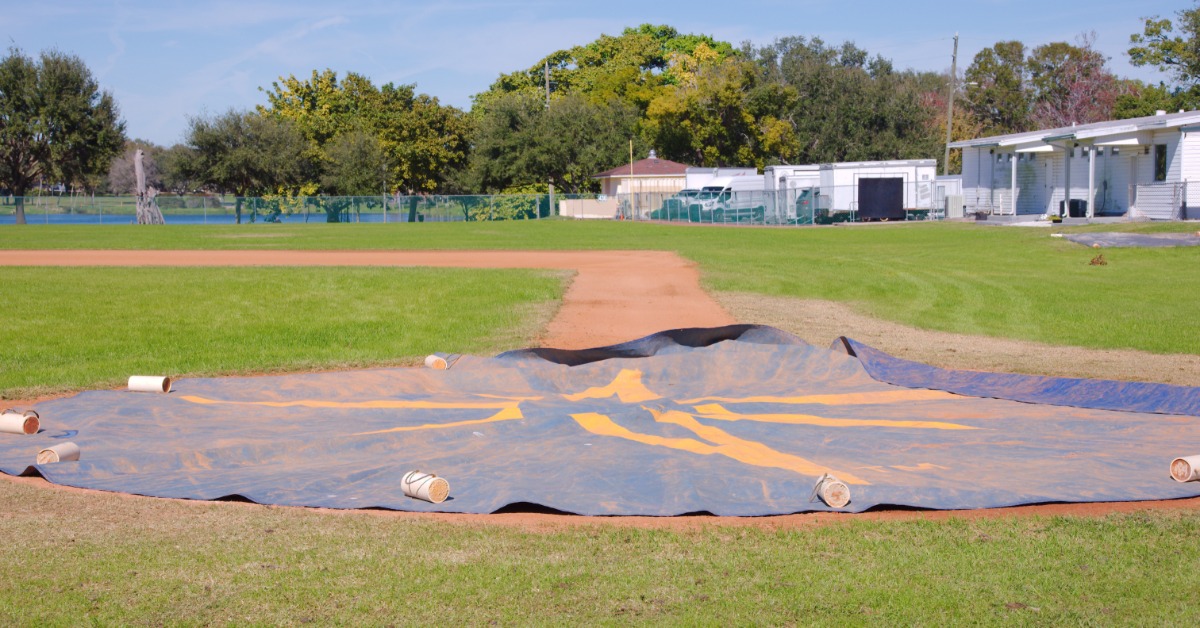
Rain can turn a well-kept field into a slick, uneven, and unpredictable playing surface. Grounds crews know the real work begins before the first drop falls. A good field safety plan addresses water control, surface protection, and rapid cleanup long before athletes step onto the grass or dirt.
Tarps play a major role in that plan. They help limit water buildup, protect key playing areas, and give crews more control after a storm. When teams use tarps correctly, they create safer conditions and reduce the pressure that comes with last-minute field prep. Continue reading to gain more understanding about the ways tarps improve field safety after rain.
They Limit Slippery Surfaces
Wet field surfaces create traction problems quickly. Players rely on stable footing when they run, stop, slide, pivot, and change direction. Rain can make dirt areas slick and grass areas soft, increasing the risk of slips and awkward falls.
Tarps help block direct rainfall from the most vulnerable parts of the field. On a baseball or softball field, crews often focus on the infield, mound, plate area, and base paths. These areas see heavy foot traffic, so they need more protection than open turf.
When crews cover those sections before rain arrives, they reduce the amount of water reaching the playing surface. The soil holds its shape better, and the top layer remains more manageable. Crews still need to inspect the surface after rain, but they start from a stronger position.
Baseball field tarps also help crews respond quickly when weather changes during an event. Instead of letting rain soak into the dirt, crews can cover the field and preserve safer footing for later play.
They Reduce Mud Buildup
Mud creates more than a messy field. It can snag cleats, slow players, and create uneven resistance underfoot. That sudden drag can strain knees, ankles, and hips, especially when players move at full speed.
Tarps reduce mud by keeping rain off exposed soil. That protection helps the soil stay firmer and easier to groom once the weather clears. Crews can rake, drag, and level the surface with less effort because they don’t have to contend with deep saturation.
Mud also spreads quickly. A muddy plate area can follow players into dugouts, walkways, and nearby turf. That tracked material can create extra slick spots where people don’t expect them.
By limiting mud at the source, tarps help crews keep the entire field environment cleaner and safer. They also help athletes focus on the game rather than adjusting every step around soft ground.
They Protect High-Traffic Areas
Some parts of a field take more abuse than others. Pitching areas, batter’s boxes, sidelines, goal mouths, and entrances often wear down faster because players repeat the same movements in those spaces. Rain makes that wear worse.
When water hits already worn spots, those areas can sink, loosen, or form low points. Players may not notice a slight dip until they land in it. Even small changes in surface height can pose safety risks during fast play.
Tarps help protect these high-traffic zones from direct rain and runoff. They keep the surface closer to its intended grade, which helps reduce sudden changes underfoot. Crews can then make targeted repairs instead of rebuilding large sections after every storm.
They Help Control Standing Water
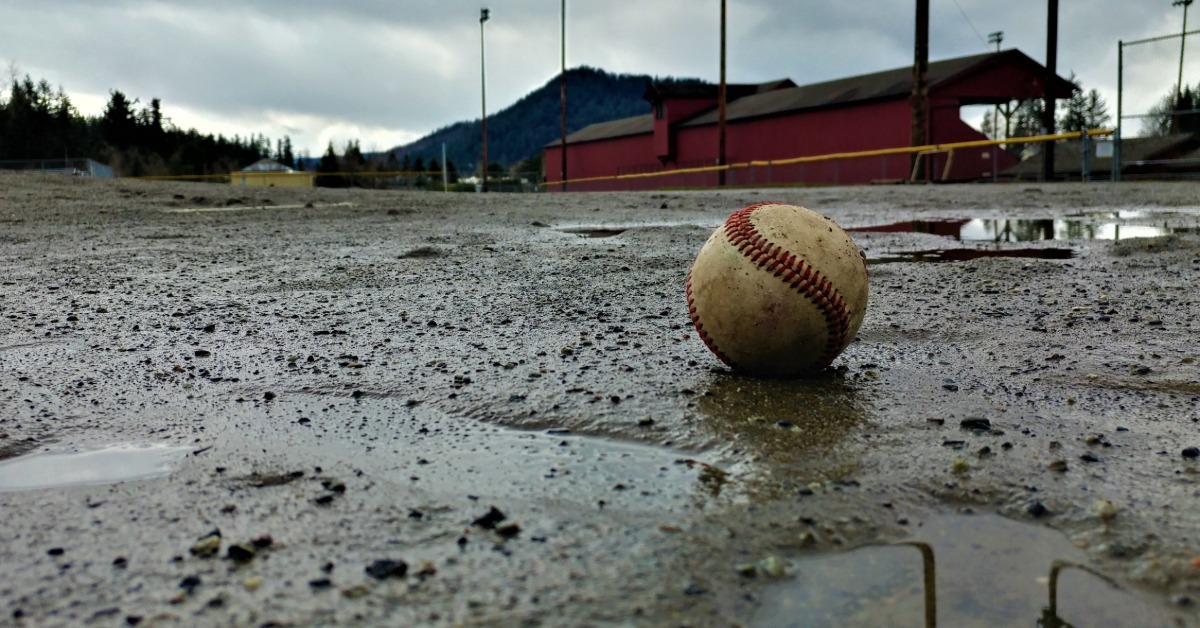
Standing water can halt play and hide hazards. Puddles may cover ruts, holes, soft spots, or loose material. Players who step into standing water can lose traction or misjudge the ground beneath them.
Tarps help reduce puddling by preventing rain from collecting in key playing areas. They don’t replace proper grading or drainage, but they support those systems. When water stays off the covered area, crews have less cleanup after the storm.
Good tarp placement can also direct water away from sensitive areas. Crews need to place and secure tarps carefully so water doesn’t spill onto baselines, sidelines, or walkways. A poorly placed tarp can move the problem rather than solve it.
They Support Faster Field Checks
After rain, crews need to make quick but careful decisions. They inspect footing, firmness, drainage, and surface consistency. Tarps help speed up that process because covered areas often need less recovery work.
A field without tarp coverage may need more drying time, more material, and more labor before anyone can evaluate it fairly. Saturated dirt can look playable on top while staying soft underneath. That creates risk because athletes may only discover the problem during movement.
Covered areas give crews a clearer starting point. They can remove the tarp, inspect the surface, and address minor issues right away. That process helps staff make better decisions about practice, warm-ups, or game timing.
They Keep Surfaces More Even
Rain can move loose material across a field. Heavy water flow can wash dirt from one area to another, form ridges, or expose harder layers beneath the surface. These changes can make the field feel uneven from one step to the next.
Tarps help hold the surface in place. They shield prepared areas from direct rainfall and reduce the force that moves soil, conditioner, or topdressing. That stability helps crews maintain a smoother, safer playing surface.
An even surface supports better movement. Players can judge their steps, slides, and landings with more confidence when the ground feels consistent. Coaches and officials also have an easier time spotting hazards when the field retains its shape.
Uneven ground doesn’t always look dramatic. Sometimes a small ridge or soft pocket creates the biggest problem because players don’t see it in time. Tarps help reduce those hidden changes after rain.
They Improve Crew Efficiency
Safety after rain depends on speed, but it also depends on the smart use of labor. Grounds crews often work under tight timelines, especially during tournaments, school events, or back-to-back games. Tarps help crews focus their time where it is needed most.
When a tarp protects the main playing area, crews can spend more time on edges, approaches, drainage paths, and spectator routes. Those surrounding spaces also affect safety because players, coaches, and staff move through them during the event.
Tarps can also reduce the amount of drying agent or replacement material needed after a storm. That keeps field prep more consistent and helps crews avoid overcorrecting wet spots. Too much added material can create hard or loose patches if crews apply it in a rush.
They Protect Equipment Areas
Rain doesn’t only affect the playing surface. It can also create safety issues around benches, dugouts, storage zones, and maintenance access points. Wet equipment, slick flooring, and muddy transitions can all cause problems during field use.
Tarps can protect specific equipment areas or staging spaces when crews expect rain. Keeping those zones drier helps reduce slips and keeps tools, bases, mats, and other gear in better condition. Dry gear also makes post-rain setup faster and cleaner.
For athletic facilities, safety includes every area where people walk, work, or prepare. A tarp plan that covers only the field may overlook hazards along the edges. Crews should consider the full movement path from warm-up to play to cleanup.
They Support Better Event Planning
Rain creates uncertainty, and uncertainty can lead to rushed decisions. Tarps help reduce that pressure by giving facility managers more options. A covered field has a better chance of recovery than one that takes the full impact of a storm.
This advantage helps teams plan practices, games, and maintenance windows with greater confidence. Crews can cover the field before rain, monitor conditions, and remove the tarp at the optimal time. That control supports safer scheduling decisions.
Tarps also help crews communicate more clearly with coaches and event staff. Instead of guessing how much water the surface absorbed, crews can assess protected areas and explain what needs attention. Clear communication helps everyone avoid sending athletes onto unsafe ground too soon.
Safer Fields Start Early
Field safety begins before the weather arrives. Crews need the right coverage, the right placement, and a plan for removal, inspection, and grooming. Tarps make each of those steps easier by limiting water damage and protecting the areas athletes use most.
A strong tarp setup can improve field safety in many ways. Those benefits help crews prepare fields with more confidence after wet weather. More importantly, they help athletes return to play on ground that supports fast, safe movement.
Rain may interrupt the schedule, but it doesn’t have to ruin the field. With the right tarps and a smart response plan, facilities can protect their surfaces and keep safety at the center of every decision.