
A pond can look healthy from the shoreline while sediment quietly erodes valuable storage space below the surface. Over the years, runoff carries soil into the basin, and that buildup can interfere with irrigation schedules or drainage needs. Dredging can recover lost capacity, but the work involves much more than scooping mud from the bottom. Understanding how a project unfolds helps you coordinate contractors and protect the investment you’ve made in your water system. Here’s what you can expect during a pond dredging project.
Begin With a Pond Assessment
Before anyone brings equipment to the property, a dredging contractor needs to understand what’s happening beneath the water. The crew may measure sediment depth at several points and compare those readings with the pond’s original design. Those measurements help distinguish accumulated material from the underlying basin.
You’ll also want to explain how your operation uses the pond. An agricultural reservoir may need dependable storage through a dry season, while a golf course pond may need enough depth to support its water management plan. Your day-to-day needs help shape the work.
Define the Work Area
Not every pond needs complete dredging. Sediment often collects near incoming drainage channels, where moving water slows and drops its load. A contractor might recommend targeting those spots rather than disturbing the entire bottom.
Ask how much material the crew expects to remove and what the finished depth should look like. A clear scope gives you a better basis for comparing proposals. It also helps you understand which portions of the property will need equipment access during the project.

Review Local Requirements
Before scheduling work, find out which permits or approvals your project may require. Requirements depend on the pond’s location and its connections to other waterways. Local agencies may also set rules for water discharge or sediment handling.
Your dredging contractor can help identify relevant questions, but confirm who will handle permit applications and agency communications. If past land use raises concerns about contaminated sediment, consult a qualified environmental professional before disturbing the sediment. Early answers can prevent an expensive interruption after crews arrive.
Choose a Dredging Approach
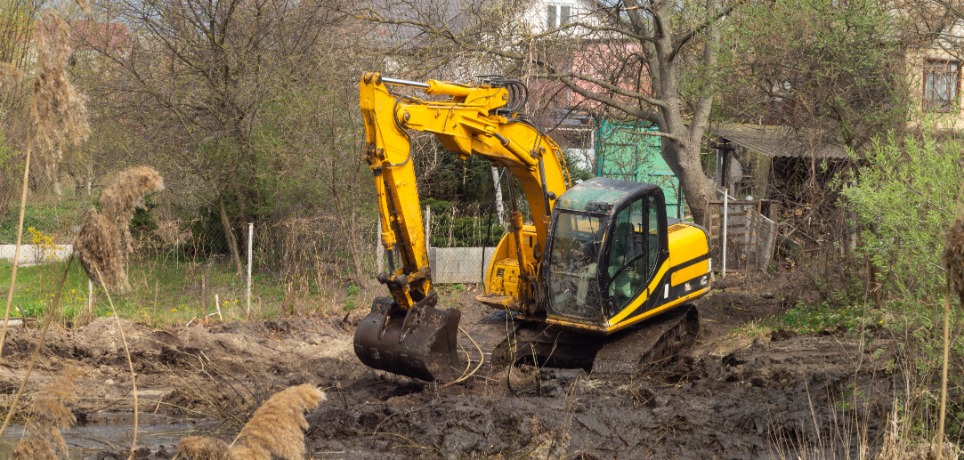
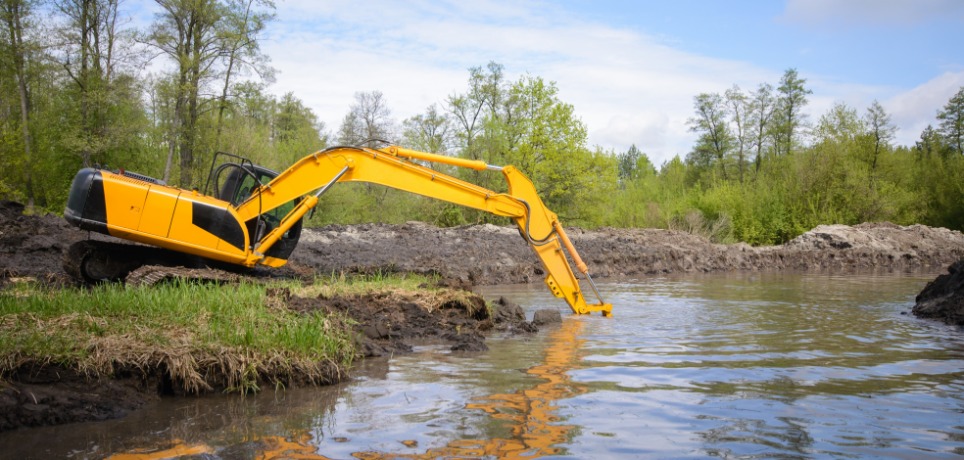
Contractors generally consider mechanical or hydraulic methods. With mechanical dredging, an excavator lifts sediment from the bottom, sometimes after the crew lowers the water level. The equipment needs stable access, and its reach affects how the crew approaches the shoreline.
Hydraulic dredging uses a pump to move a mixture of water and sediment through a pipeline. This approach can help crews work in a pond that still holds water, although the pumped mixture needs a suitable place to settle and drain. The better choice depends on the basin and how your property operates during construction.
Protect the Existing Liner
If your pond has a liner, tell the dredging contractor before anyone selects equipment. An excavator bucket or suction head can damage the protective barrier if the crew works too close to it. Discuss the liner’s location and condition, along with any limits on how deeply crews can dredge.
For an agricultural site, an irrigation pond liner plays an important role in limiting seepage. Dredging may reveal aging sections that need repair or replacement, but your team should evaluate those areas before making changes. Coordinate with a liner specialist when the project involves direct contact with the material.
Prepare the Property
Dredging crews need room to deliver machinery and move sediment away from the water. Walk the proposed access route with your contractor and point out soft ground or narrow crossings. Large equipment may need a different approach than your usual maintenance vehicles.
Discuss how the work will affect nearby roads and daily operations. If irrigation crews normally use a path beside the pond, arrange another route before construction starts. Planning these details helps keep the project from disrupting more of the property than necessary.
Plan Around Water Levels
Some projects require a partial drawdown, while others allow the pond to hold water during removal. Your contractor should explain the approach and how it affects water availability. For a working reservoir, that conversation belongs early in the schedule.
If your operation relies on pond water for irrigation, decide whether you need temporary storage or an alternate supply. Also discuss where any water from the work area will go. Responsible water management helps prevent runoff from carrying loose sediment back into the pond.
Handle the Removed Sediment
The material leaving the pond doesn’t disappear when the dredge lifts it. Wet sediment needs space for handling, and some projects require time for excess water to drain. Your contractor should identify a suitable area before the first load comes out.
Ask whether the crew plans to dry material on-site or transport it elsewhere. The answer can affect truck traffic and project costs. Any temporary storage area also needs controls that keep muddy runoff from reaching nearby drainage channels. If testing reveals contamination, disposal may require a different plan.
Follow the Removal Process
Once dredging begins, expect the crew to work through the agreed sections rather than chase every patch of soft material. Regular depth checks help the contractor track progress and avoid digging below the intended contour. That caution becomes especially important near an existing liner.
Weather can change the pace of the work. Heavy rainfall may soften access roads or add water to sediment storage areas. Ask your contractor how you’ll receive schedule updates and who can approve changes if conditions shift.
Inspect Before Refilling
After the crew removes the planned sediment, review the basin before returning the pond to normal use. Compare the final depths to the project scope and inspect the banks for signs of fresh erosion. If the pond has a liner, have a qualified specialist examine any exposed or potentially damaged areas.
Address repairs before water covers hard-to-reach surfaces again. Then coordinate refilling or a return to normal water levels according to the site’s operating plan. Keep records of the completed work so future maintenance teams know what changed.
Limit Future Buildup
Dredging restores space, but it doesn’t stop new sediment from entering the pond. Look upstream for bare soil or drainage outlets that send muddy water into the basin. Stabilizing vulnerable areas can slow the next round of accumulation.
Continue checking the pond’s depth and shoreline condition as part of routine maintenance. You may notice early warning signs long before the pond loses significant capacity. Regular observations help you decide when smaller corrections can prevent another major project.
Make the Next Step Count
A successful pond dredging project starts with clear measurements and careful coordination. When you plan for water use and protect existing liner materials, you give the crew a practical path toward restoring the pond’s performance.
Western Environmental Liner can help you explore options for large commercial ponds if your project reveals liner damage or creates a need for a custom replacement. Contact the team to discuss your containment needs and request a quote.