
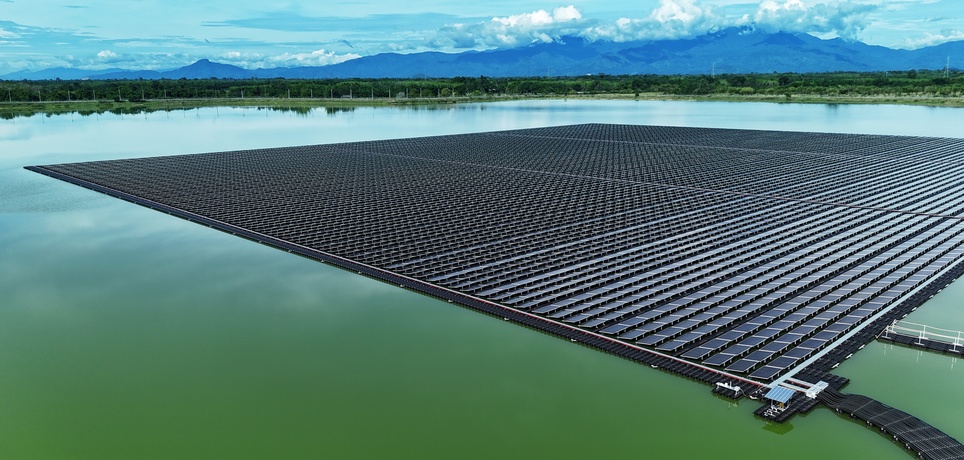
A well-maintained artificial lake does more than hold water. It supports the daily needs of golf courses and agricultural operations without causing constant maintenance headaches. However, changing weather conditions and everyday wear can affect its performance over time. Fortunately, a few practical ideas can improve artificial lake performance and keep your lake operating efficiently.
1. Keep Sediment Out of the Water
Rainwater runoff can carry loose soil into your lake, gradually reducing its usable depth. Over time, sediment buildup can affect water storage capacity and create additional maintenance work.
Check surrounding slopes and drainage paths after heavy rainfall. Stabilize bare ground around the shoreline with suitable vegetation or erosion controls. Addressing erosion early helps limit sediment accumulation and protects your lake’s capacity.
2. Inspect Your Lake Liner Regularly
A dependable liner helps limit water seepage, but sharp debris and shifting soil can cause problems over time. Regular inspections help you catch potential damage before it leads to significant water loss.
Check accessible shoreline areas for tears and loose liner edges. If you’re considering an upgrade, custom lake liners can accommodate your basin’s dimensions and operational needs. Working with an experienced liner provider can help you choose a suitable material for your property.
3. Maintain Proper Water Flow
Even a thoughtfully planned lake can experience problems when debris blocks its water flow. Leaves and sediment can accumulate around inlet pipes or outlet structures, restricting movement.
Inspect these areas regularly, especially after storms. Remove obstructions before they impede drainage or redirect water toward vulnerable shorelines. Proper flow management helps maintain consistent water movement and reduces unnecessary stress on surrounding banks.
4. Reduce Nutrient-Rich Runoff
Excess nutrients can encourage algae growth and affect your lake’s appearance. Fertilizer runoff from nearby landscaping often contributes to the problem.
Review how your maintenance crews apply fertilizer near the shoreline. Consider adding vegetation buffers where practical to help capture runoff before it enters the water. Managing nutrient sources can reduce recurring algae problems and support better water quality.
5. Monitor Water Levels Closely
Water levels naturally fluctuate with rainfall and evaporation. However, unexpected changes may indicate a problem that needs attention.
Track water levels regularly and compare your observations with recent weather conditions. A sudden drop could signal liner damage or an issue with an outlet structure. Identifying unusual changes early gives you an opportunity to investigate before water loss becomes more expensive.
6. Create a Seasonal Maintenance Plan
Waiting until problems appear can lead to unnecessary expenses. Instead, schedule routine inspections around your property’s seasonal water demands.
Examine shoreline conditions before periods of heavy use and coordinate necessary repairs with planned maintenance activities. A consistent schedule helps you identify developing issues while keeping maintenance costs more predictable.
Keep Your Artificial Lake Performing Well
Improving artificial lake performance doesn’t always require major changes. Consistent maintenance and thoughtful upgrades can help your water containment system function more effectively over time.
Western Environmental Liner specializes in custom-fabricated geomembrane liners for large commercial water containment projects. Contact the team today to discuss your lake’s needs and explore custom liner options for your property.