
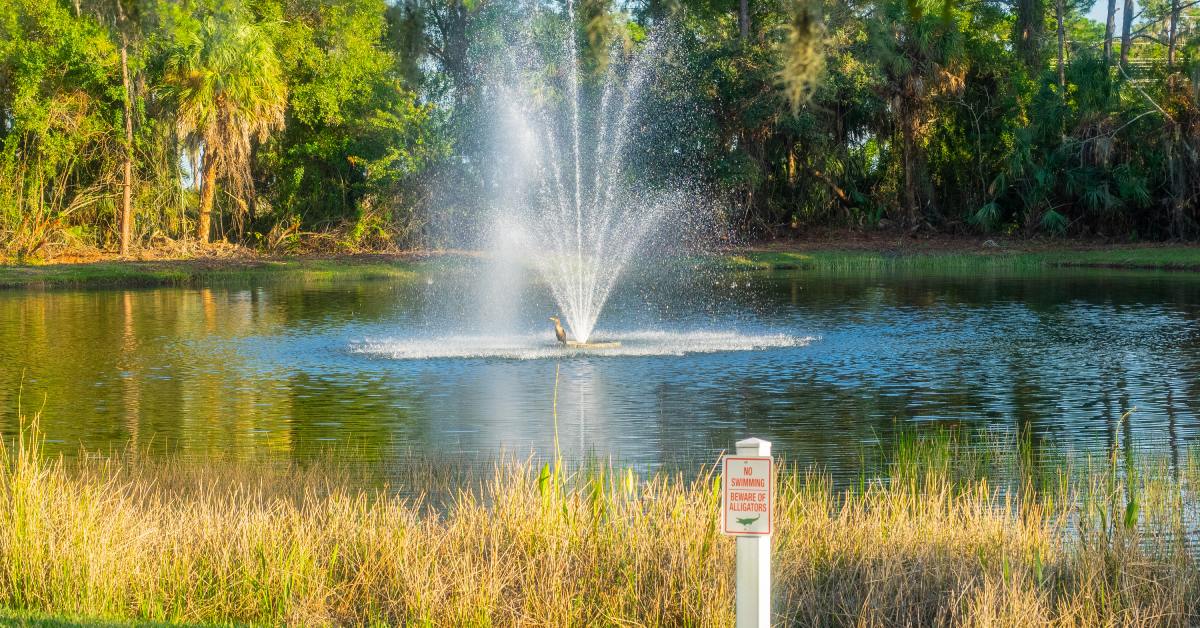
A pond can be much more than an attractive garden feature or a convenient source of water on a farm. Properly designed and maintained, it can enhance a property’s appearance, create opportunities for recreation, support wildlife, improve agricultural productivity, and help manage water.
From a small ornamental pond to a large farm pond, any water containment system should be carefully planned. the right design should consider the purpose of the pond, the maintenance involved over time, preserving the integrity of the banks, the type of pond liner necessary to minimize seepage and protect water quality.
Garden Ponds
Even a small ornamental pond can transform a garden. Water introduces movement, reflections, and depth, creating a focal point that complements plants, trees, and other landscaping. Surrounded by natural stone, aquatic plants, or a seating area, a pond can make a yard feel more inviting and established.
A garden pond also provides a place to relax, entertain guests, and enjoy the outdoors. A fountain or waterfall adds the sound of moving water, while fish such as koi and goldfish provide additional interest.
For prospective buyers, these features can make a property more distinctive. A well-designed pond can extend the appeal of a home beyond its walls, effectively creating another outdoor living space. A small pond in the right location can be just as effective as a larger one when its design complements the surrounding garden.
Recreation
Larger ponds can become the center of outdoor activities, often offering swimming, fishing, kayaking, paddleboarding, or rowing. Even a pond too small for boating can offer a pleasant setting for picnics, waterside seating, and family gatherings.
Fishing ponds can support bass, bluegill, catfish, or other suitable species, providing recreation for residents and guests. On rural estates and vacation properties, a well-managed fishery can be a particularly attractive feature.
Swimming ponds require appropriate depth, water quality, and safety provisions. Similarly, boating and fishing need suitable access and conditions. A pond should be designed for its intended recreational uses.
Farm Ponds
On farms and ranches, a dependable water supply is important for agricultural operations, and a well-positioned pond can help make land more productive. Livestock watering and irrigation are the most common applications.
Cattle, horses, sheep, and other animals need regular access to water, and a pond can provide a valuable supply where other sources are limited. Fencing livestock away from the shoreline and supplying water to troughs can help reduce bank erosion and contamination.
Ponds can also store water for irrigating gardens, orchards, pasture, and crops. During dry periods, this reserve may help maintain plant health and protect agricultural investments. Its usefulness depends on storage capacity, rainfall, evaporation, seepage, and applicable water-use restrictions.
Other potential uses include washing farm equipment, supplying water for certain agricultural operations, and providing a source for firefighting where adequate volume, access, and pumping facilities are available. For prospective farm or ranch buyers, these capabilities can increase the property’s versatility and practical usefulness.
Water Management
A properly designed pond can help manage rainfall and runoff. It may temporarily store stormwater, slow water flowing across the land, and capture sediment before it reaches downstream waterways. This can be useful on sloping properties, agricultural land, and sites with substantial paved surfaces. Depending on its design, a pond may also collect runoff for later use rather than allowing all of it to flow off the property.
Vegetated pond edges can stabilize banks, trap sediment, and support wildlife. Ponds intended for permanent water storage have different requirements from detention ponds designed to hold stormwater temporarily. Poorly planned construction can cause erosion, flooding, or drainage problems elsewhere. Professional assessment may be necessary to ensure the pond works safely with the property’s natural drainage.
Wildlife
A pond can introduce a valuable aquatic habitat to a property, perhaps attracting frogs, dragonflies, turtles, waterfowl, and songbirds. Native aquatic plants and shoreline vegetation provide food and shelter, while suitable ponds can support fish populations and other aquatic life.
On rural properties, a wildlife pond can complement woodland, meadow, or other natural areas. It may also enhance the appeal of land intended for fishing, hunting, or nature-based recreation.
These benefits require appropriate management. Excessive nutrients can encourage algal blooms, while stagnant water may contribute to mosquito problems. Suitable fish stocking, vegetation control, and monitoring of water quality help maintain a healthy pond and prevent it from becoming an environmental or maintenance burden.
Larger Ponds
On larger properties, a pond can influence the appeal of the entire landscape. It may create attractive views, provide a distinctive natural feature, and offer privacy and recreational opportunities that are difficult to reproduce with conventional landscaping.
A residential estate might benefit from a scenic pond and walking paths, while a farm may gain water storage and livestock facilities. A fishing or hunting property could offer additional recreational opportunities, and a vacation rental or rural tourism business might use a pond as an amenity, subject to appropriate permissions and safety measures.
A pond’s versatility can be particularly attractive to buyers who want to use their land in different ways. However, size alone does not determine value. Buyers may also consider the cost of maintaining dams, repairing leaks, controlling aquatic weeds, removing sediment, and meeting inspection or regulatory requirements.
Designing for Value
The best results begin with a clear purpose. An ornamental pond should complement the home and garden, while a farm pond requires careful consideration of soil conditions, water supply, storage capacity, agricultural needs, and maintenance access.
Construction costs vary according to excavation, soil suitability, liners, dam engineering, landscaping, pumps, and safety features. Permits or environmental approvals may also be necessary, particularly where construction affects streams, wetlands, or floodplains.
Ongoing maintenance is equally important. Owners may need to manage algae, aquatic vegetation, erosion, sediment, and changing water levels. Dams and spillways should be inspected as appropriate, and water quality should be monitored when the pond supports livestock or recreation. A well-maintained pond can remain an asset for many years, but the future maintenance of any pond will likely influence a prospective buyer’s perception of the property value. From the beginning design, an owner should ask if the attractiveness of the pond will make it worth the maintenance, and plan to make this the case.