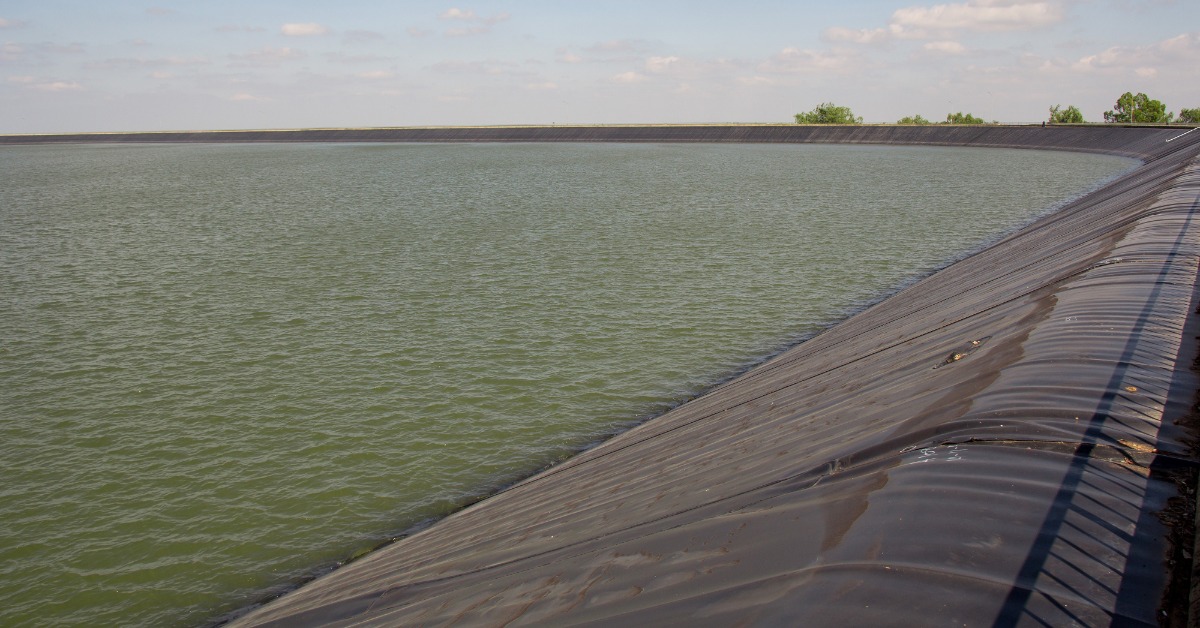
A custom liner project starts with more than a square-foot estimate. Every water containment site has its own shape and daily demands, so the right fit takes thoughtful planning. If you’re coordinating a custom large pond and liner, it helps to know what to expect.
Start With a Project Discussion
Your liner provider will want to understand what the site will contain and how you plan to use it. A golf course pond has different needs from an agricultural irrigation reservoir.
Share your target dimensions and project timeline early. Bring any drawings that show the current layout. Mention any access limitations, too. A tight entrance or steep bank can affect how crews move large liner panels.
Confirm the Site Measurements
Length and width only tell part of the story. The team also needs depth changes and side slopes to plan a liner that reaches every section without excess tension.
When planning liners for ponds and lakes, pay special attention to irregular shorelines and areas around inlets. Accurate measurements help the fabricator determine panel sizes and estimate how much material the project requires.
Choose the Right Material
Next, discuss how the liner will perform under your site’s conditions. Sun exposure and expected water use can influence which geomembrane makes sense.
Western Environmental Liner offers custom liner materials and can help you compare options for your application. Ask about flexibility and puncture resistance rather than choosing a product based on thickness alone.
Understand the Fabrication Process
Once the team confirms the specifications, fabrication turns the plan into liner panels. Larger prefabricated sheets can reduce the number of seams crews must create on-site.
They can also make installation more manageable across wide containment areas. Your provider can explain how panel dimensions affect shipping and where crews may need to join sections in the field.
Prepare for Delivery
While the fabricator prepares the liner, your site crew can clear sharp debris and smooth the ground. Crews also need a safe path for unloading material and enough room to unfold it without dragging it across rough surfaces.
Discuss those logistics before delivery day. Early coordination helps everyone avoid rushed changes when the liner arrives.
Complete the Installation
During installation, crews position the panels to match the prepared surface and secure the edges according to the project design. Some sites need field seams, while others can accommodate a larger single-piece liner.
Before the site begins holding water, ask the installation team to review its inspection process. You should also discuss any maintenance precautions that could help protect the liner over time.
Move Forward With Confidence
Knowing what each custom liner phase involves makes a project easier to manage. Clear expectations from the beginning help your team prepare for installation without unnecessary surprises.
Western Environmental Liner can help you explore custom fabrication options for large commercial water containment projects. Contact the team today to request a quote and discuss your project’s specific needs.