
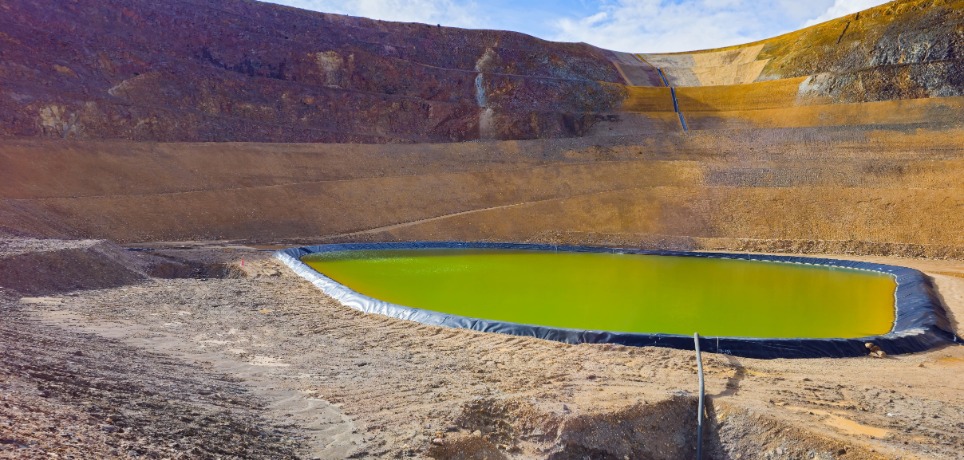
Nothing slows a containment project more than discovering an uneven pit floor on installation day. A well-prepared site gives your crew a smoother start and protects the liner from avoidable damage. Before excavation begins, take time to properly prepare the site for a containment pit.
Start With the Site Plan
Begin by identifying what the pit will hold and how long operations will use it. Those details determine the pit’s size and liner requirements. Choose an area that gives equipment room to maneuver without crowding active work zones.
Review drainage patterns before finalizing the footprint. Runoff from surrounding land shouldn’t flow into the excavation. Confirm local permitting requirements and have a qualified engineer review the design before your crew breaks ground.
Shape the Excavation
Mark the approved pit boundaries and set grades before excavation. Your crew should follow the engineered dimensions and slope specifications rather than improvise in the field. Stable side slopes support the surrounding soil and make liner placement easier.
Plan access for excavators and delivery trucks early. Leave enough space around the perimeter for workers to handle liner panels safely. When crews have a clear route, they can position materials without dragging them over rough ground.
Prepare the Ground
A clean subgrade gives oilfield pit liners a better foundation. Remove sharp rocks and other debris before anyone starts laying material. Pull exposed roots from the surface, too. Smooth out ruts and abrupt transitions that could put pressure on the liner after filling.
Check for soft areas and uneven settlement. If the soil can’t provide a stable, smooth surface, talk with the project engineer about suitable bedding and compaction. Never rely on a liner to hide problems beneath the surface.
Plan for Water and Anchoring
Water can complicate installation long before the pit begins operating. Keep rainwater from collecting in the excavation and address groundwater conditions according to the site design. Schedule earthwork and liner installation with the forecast in mind.
Crews also need room to secure the liner’s perimeter. Prepare anchor trenches according to the approved design and coordinate trench placement with the liner supplier. This planning helps prevent last-minute rework when the panels arrive.
Coordinate Before Installation
Confirm the liner material against the liquid the pit will contain. Not every geomembrane can handle the same chemicals, so share fluid details and expected service life with your supplier. Discuss panel sizes and delivery access before the installation date.
Western Environmental Liner can prefabricate large liner panels for custom applications, which can reduce field seaming. Before deployment, walk the excavation again and clear any debris left by equipment.
Give Your Pit a Strong Start
Good site preparation for a containment pit begins before the liner touches the ground. With a stable subgrade and a clear installation plan, your crew can avoid preventable setbacks. Reach out to Western Environmental Liner to discuss custom pit liner options for your next project.