

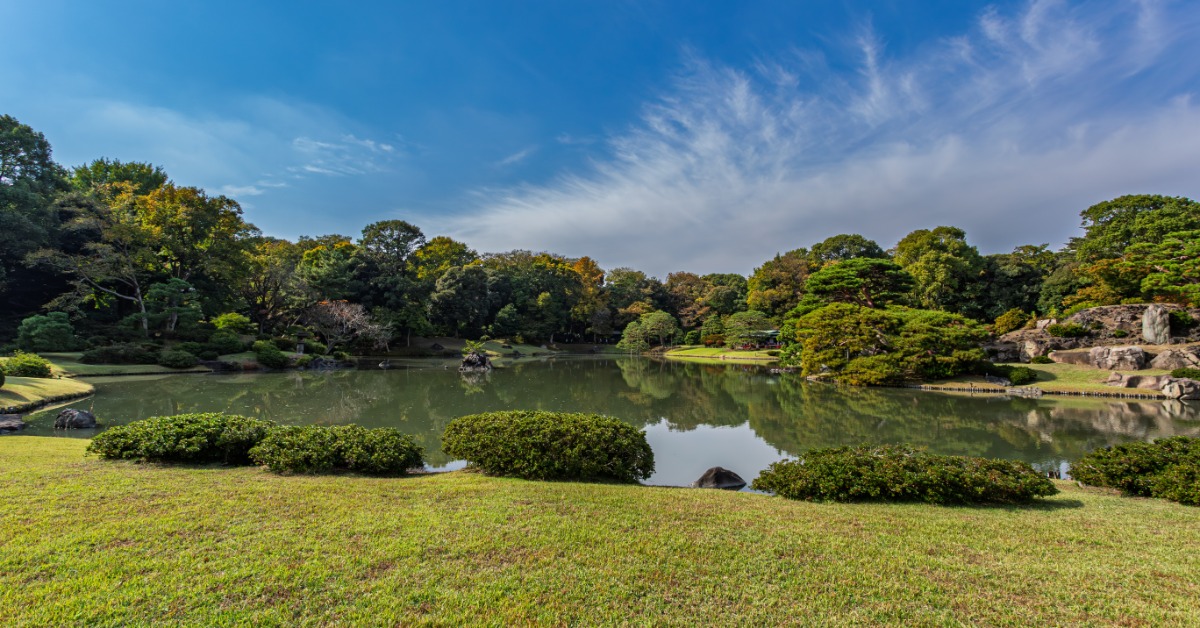
Large pond projects call for more than excavation and a plan to add water. Every decision, from site preparation to liner installation, can affect how smoothly the project moves and how well the finished pond performs over time. A clear plan helps contractors, agricultural operators, water districts, golf courses, and other commercial teams coordinate the work before crews reach the site. Good preparation also gives each project phase a defined purpose and can prevent avoidable complications. Continue reading to discover how to plan a large pond project with heavy-duty liners.
What’s the Pond’s Purpose
Before crews break ground, define how the pond will function. Retention ponds, irrigation ponds, and large commercial water features can place different demands on the site and liner system. Water volume, expected use, site traffic, and long-term operating needs can all influence design decisions.
A clear purpose also helps the project team establish realistic dimensions and performance expectations. Large ponds need enough capacity for their intended use without creating unnecessary excavation or liner costs. Project planners should also consider how water will enter, leave, and move through the pond during normal operation.
Review the Site Conditions
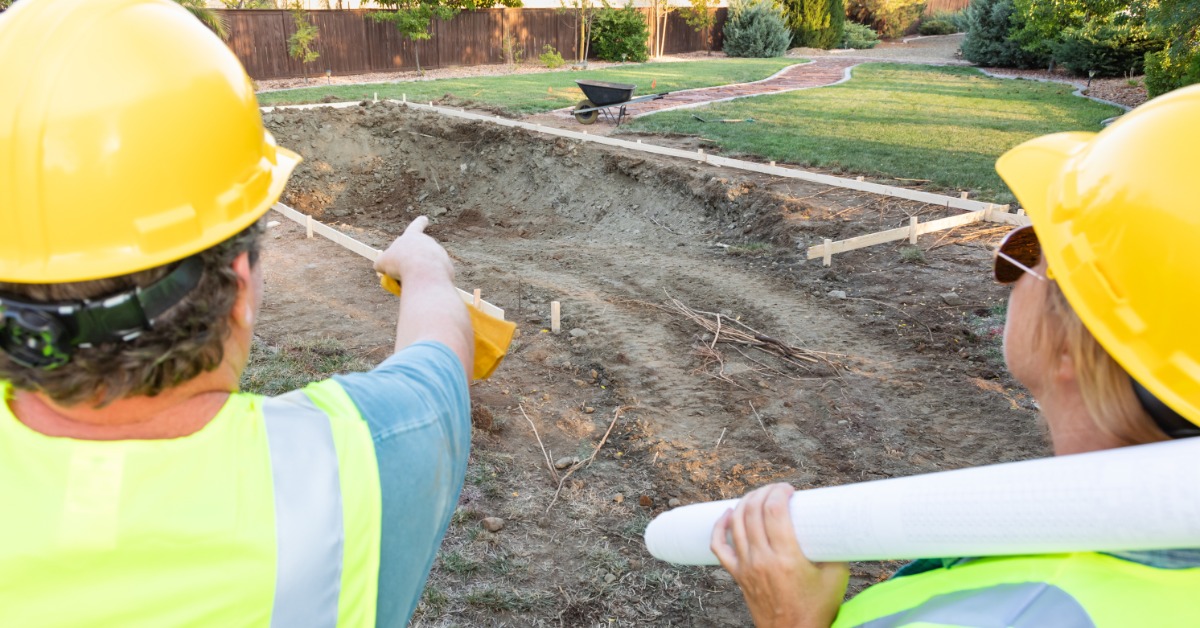
Site conditions shape nearly every part of a large pond project. Contractors should evaluate the proposed pond area, surrounding grades, soil conditions, access routes, and nearby structures before finalizing the design. These details help the team identify challenges before excavation starts.
Slope plays an important role because steep or uneven areas can complicate excavation and liner placement. Drainage around the pond also deserves attention. Surface water should move in a controlled direction so runoff doesn’t create erosion or interfere with the liner system.
Large equipment needs room to enter, turn, and operate safely. Planning access before construction begins can help crews avoid unnecessary movement across prepared surfaces later.
Choose the Right Liner System
The liner serves as one of the most important components in a large pond. Heavy-duty pond linerscreate a dependable barrier that helps control water loss and supports long-term pond performance. The right material and fabrication approach will depend on the pond’s dimensions, use, and installation conditions.
Western Environmental Liner specializes in custom-fabricated geomembrane linings for commercial applications. Larger prefabricated sheets can make installation easier across broad pond areas and help crews spend less time managing numerous small sections in the field.
Project teams should discuss the pond layout with the liner provider early. That conversation gives the fabricator time to review dimensions, panel sizes, site access, and installation needs before production begins.
Build Accurate Pond Dimensions
Accurate measurements support accurate liner planning. Small measurement errors can create larger problems when crews work across a pond that covers a substantial area. Contractors should establish the pond length, width, depth, side slopes, shelves, berms, and other design features before ordering liner material.
The liner must follow the pond’s contours instead of simply covering its surface footprint. Slopes and depth add material requirements that a basic length-by-width estimate won’t capture. Anchor areas around the perimeter also require space in the liner plan.
A detailed layout gives the fabricator better information for panel design. It also helps the installation team understand how individual liner sections will fit together once crews begin placement.
Prepare the Subgrade Carefully
A strong liner system needs a well-prepared surface beneath it. Crews should remove sharp rocks, debris, roots, and other objects that could create pressure points under the liner. They should also shape the pond floor and side slopes to match the approved design.
Compaction can create a smoother, more stable base for liner placement. Crews should address soft spots, abrupt grade changes, and unstable areas before the liner arrives. Fixing those conditions early reduces the chance that crews will need to move or disturb liner panels after placement.
The subgrade should also support safe movement during installation. A clean work area gives the liner crew more control as they position large sections across the pond.
Plan for Panel Placement
Large fabricated panels can simplify field work, but they still require careful handling. The project team should decide where crews will unload the liner, how equipment will move around the site, and which areas crews will cover first. A placement plan helps avoid unnecessary dragging, folding, or repositioning.
Weather can also affect installation. Strong wind can make large panels difficult to control, while wet ground can complicate access and subgrade conditions. Teams should watch the forecast and build enough flexibility into the construction schedule to protect the prepared site.
Crews also need clear communication during placement. A coordinated installation sequence helps workers keep panels aligned and move safely around equipment and exposed liner surfaces.
Coordinate Inlets and Outlets
Large ponds often include pipes, drains, overflow structures, or other penetrations. These features need careful coordination because the liner must connect cleanly around them. Project teams should identify every penetration before fabrication and installation.
Changing pipe locations after crews place the liner can create extra work and disrupt the installation sequence. Finalizing these details early gives the liner provider better information and helps the field crew prepare the correct approach.
Contractors should also complete the required earthwork and structural preparation before crews begin liner attachment around these areas.
Protect the Liner During Construction
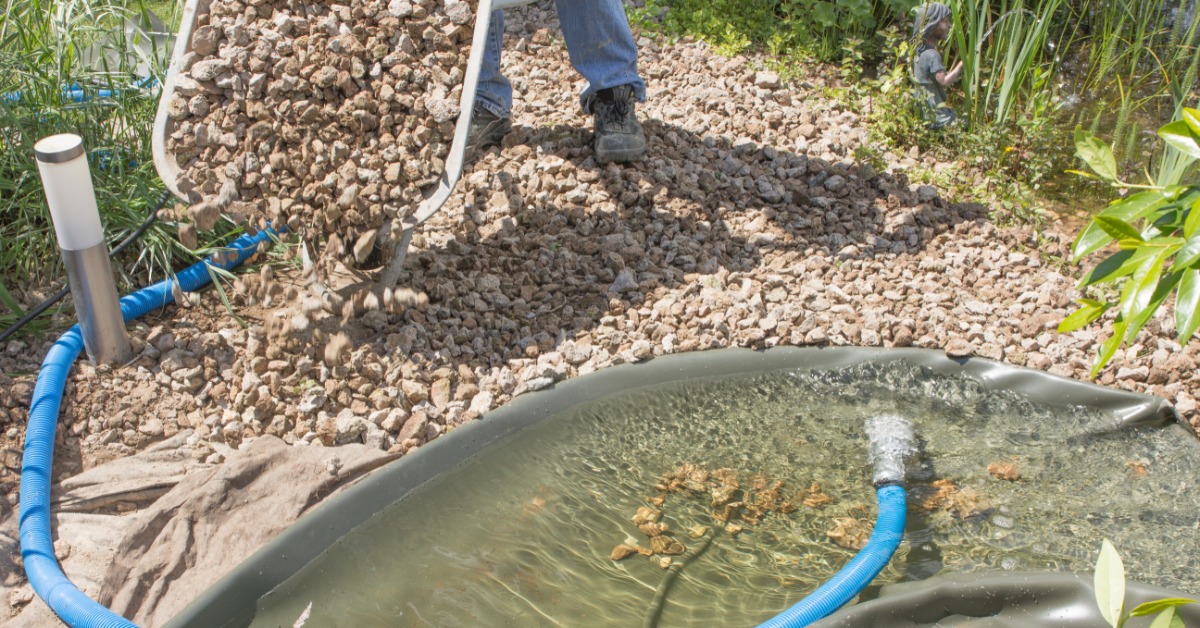
Installation doesn’t end the need for careful planning. Other trades, equipment operators, and site crews can damage exposed liner surfaces if they move through the pond without proper coordination. Project managers should control access and explain which areas crews can enter.
Heavy machinery should follow the installation plan and avoid direct contact with exposed liner unless the system allows that activity. Crews should also keep tools, scrap material, and sharp debris away from finished sections.
Clear site communication can prevent many avoidable problems. When everyone understands the protected work zones, the liner crew can complete each stage with fewer interruptions.
Think About Long-Term Operation
A pond project should support more than the construction schedule. The design should also account for inspection, maintenance, water management, and future access. Operators may need safe routes to pumps, pipes, valves, or drainage structures after the pond enters service.
The liner choice should fit those operating conditions. Commercial ponds can face ongoing sun exposure, changing water levels, and demanding site conditions, so the project team should select a system that suits the intended application.
Project records can also help with future maintenance. Keeping the final dimensions, liner specifications, panel layout, and installation details gives facility teams useful information if they need repairs or modifications later.
Bring the Liner Provider In Early
Large pond projects involve many connected decisions, and the liner shouldn’t come at the end of the planning process. Early coordination gives the liner provider a chance to review the application, fabrication requirements, site layout, and installation approach while the team can still make practical adjustments.
Western Environmental Liner works with commercial clients that need custom geomembrane solutions for ponds, retention ponds, and other water-control applications. Bringing liner experts into the process early can help the project team connect material planning with site realities before installation starts.
A well-planned pond starts with clear goals, accurate measurements, thoughtful site preparation, and strong coordination. When the team treats the liner as part of the overall design from the beginning, crews can move through installation with greater control and build a pond that supports its intended use for years to come.


