Busy job sites handle a lot at once. Crews move materials, manage runoff, store liquids, and keep production moving through changing weather and ground conditions. When a site includes pits for storage, containment, or temporary collection, the soil around those areas needs protection from leaks, seepage, and chemical contact.
Soil contamination can create costly cleanup work, project delays, and long-term environmental concerns. A well-planned liner system helps crews control materials before they reach the ground. Continue reading to explore how pit liners prevent soil contamination on sites.
Creating a Strong Barrier
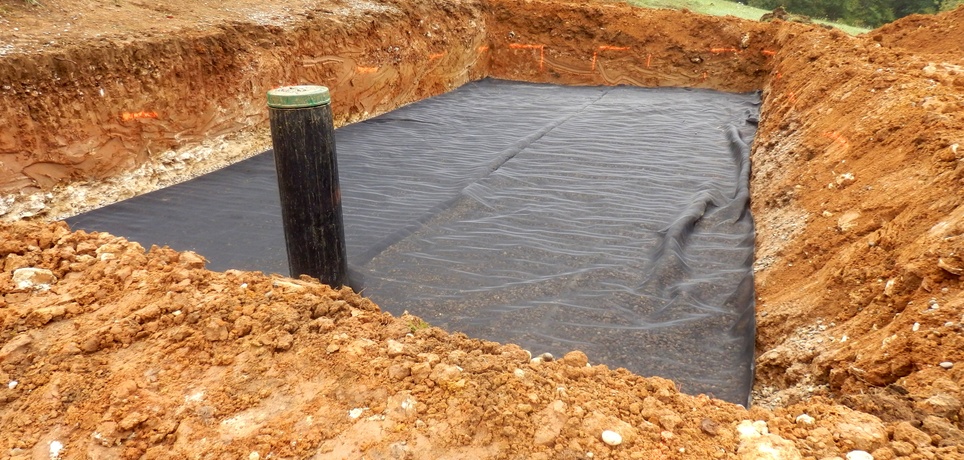
Pit liners help separate stored liquids, sludge, or other site materials from the soil beneath and around a pit. Instead of letting moisture or contaminants seep into the ground, the liner creates a controlled surface that supports containment.
This barrier plays a key role at construction, agricultural, industrial, and municipal sites. It gives crews a defined area for handling materials without relying on bare earth to hold or slow movement. When crews use the right liner for the site conditions, they reduce the chance of unwanted contact between the pit contents and surrounding soil.
Controlling Seepage
Seepage often starts small, but it can spread into a bigger problem fast. Liquids can move through compacted soil, cracks, low spots, and uneven surfaces. Once those materials enter the ground, crews may need extra time, labor, and equipment to address the damage.
A properly fitted liner helps prevent that movement. It covers the pit surface, limits direct contact with the soil, and supports cleaner site management. Crews can also inspect a lined pit more easily because the liner creates a visible surface instead of hiding issues below loose dirt or mud.
Supporting Better Site Cleanup
Clean, organized sites make work easier. When crews contain materials inside a lined pit, they can remove or manage those materials with less disruption to the surrounding area. That cleaner separation helps reduce soil disturbance during cleanup.
Custom fabricated liners can also improve fit and coverage. Western Environmental Liner serves commercial, agricultural, government, golf course, and construction customers with custom geomembrane lining solutions. That level of customization helps crews match the liner to the pit size, layout, and application instead of trying to force a standard option into a demanding site.
Reducing Long-Term Site Issues
Soil contamination can continue causing problems after a project wraps up. Contaminants can affect future excavation, drainage, vegetation, and compliance needs. Site owners and contractors often want to prevent those concerns before they start.
A liner system gives teams a practical way to manage risk from the beginning. It protects the ground during active work, supports easier monitoring, and helps maintain cleaner conditions throughout the project. That kind of planning can save time and reduce stress when deadlines and site requirements already demand attention.
Protect the Ground From the Start
Pit containment works best when crews plan ahead. Pit liners prevent soil contamination by creating a clear barrier between site materials and the ground. They also help crews manage cleanup with more control.
For commercial and industrial projects, the right liner can make a major difference in how well a site handles containment. When crews protect the ground from the start, they set the project up for cleaner work and fewer problems later.