
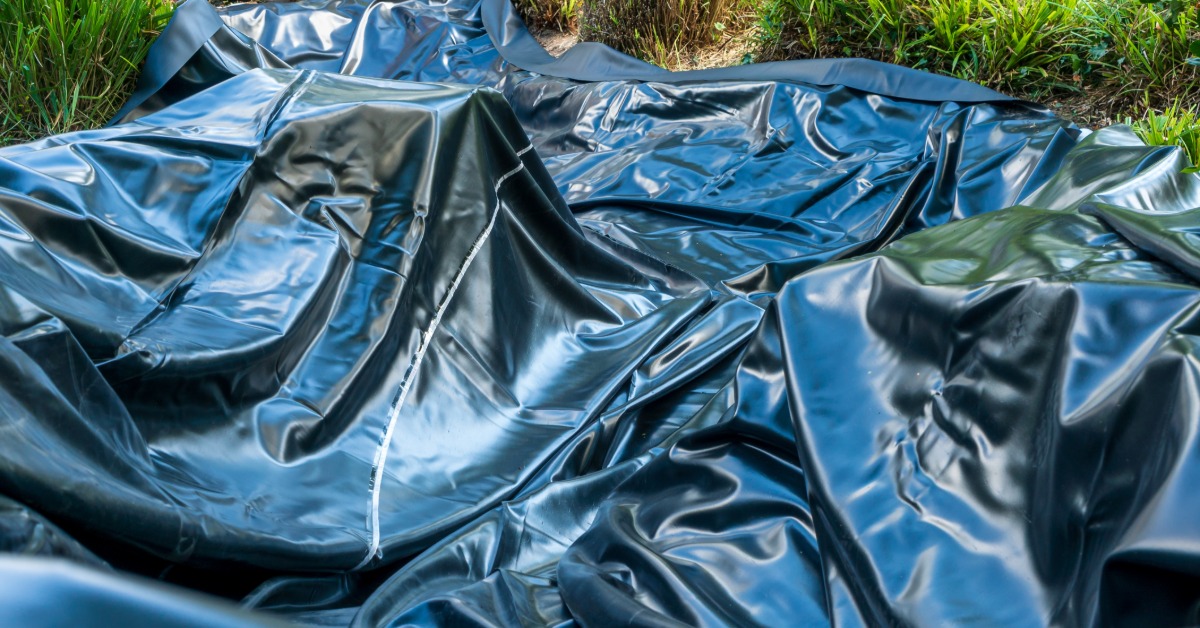
A pond liner project can look simple at first. You choose a liner, shape the area, place the material, and fill the pond. But commercial pond projects bring more variables than most people expect. Soil conditions, slope, water pressure, seams, drainage, and long-term use all affect how well the liner performs.
When you compare DIY pond liners with professional service, the best choice depends on project size, site needs, and how much risk you’re comfortable taking on. For agricultural, golf course, municipal, and construction applications, the right installation approach can save time, reduce waste, and support better long-term performance.
The Appeal of DIY
DIY pond liner installation often attracts people because it looks more affordable upfront. You may feel like you can control the schedule, avoid labor costs, and handle the work with your own crew. On a small or simple project, that flexibility can sound appealing.
But DIY work also puts every decision on your team. Someone needs to measure the site accurately, choose the right material, plan seam placement, prep the subgrade, and manage installation conditions. A small mistake can lead to wrinkles, punctures, poor anchoring, or weak seams.
DIY installation also requires the right equipment. Large liners can become difficult to position, especially on uneven ground or windy days. Without the right handling process, crews can stretch, drag, or damage the material before the pond ever holds water.
Where Professional Service Helps
Professional service brings experience to each stage of the project. A liner company can review the site, discuss project goals, recommend the right liner style, and fabricate panels to fit the space more efficiently. That planning helps reduce field seams and makes installation smoother.
Professionals also understand how site prep affects performance. They can identify sharp rocks, unstable soil, drainage concerns, and slope issues before those problems lead to damage. They don’t just place liner material and move on. They look at how the full system needs to function.
Commercial projects often benefit from custom fabrication. Larger prefabricated panels can cover more area with fewer seams, which can lower installation time and reduce labor challenges. That can make a major difference when the project has a tight timeline or a large footprint.
Cost Beyond the First Quote
DIY may carry a lower initial price, but the final cost can grow if problems appear. Reordering material, repairing damage, draining water, or reworking seams can quickly erase early savings. Delays can also affect nearby construction, irrigation schedules, or site operations.
Professional service often costs more upfront, but it can offer better value over the life of the project. Crews work with proven installation methods, proper tools, and a clear plan. That support can help prevent avoidable repairs and keep the project moving.
Choosing the Right Path
DIY may fit limited projects with straightforward layouts and experienced crews. For larger commercial ponds, retention areas, or agricultural applications, professional service usually offers more control and fewer surprises.
A pond liner needs to do more than cover the ground. It needs to fit the site, handle real-world conditions, and support the project’s long-term purpose. When you compare DIY pond liners with professional service, think beyond the first installation day. The stronger choice will help your pond perform well long after the project wraps.