
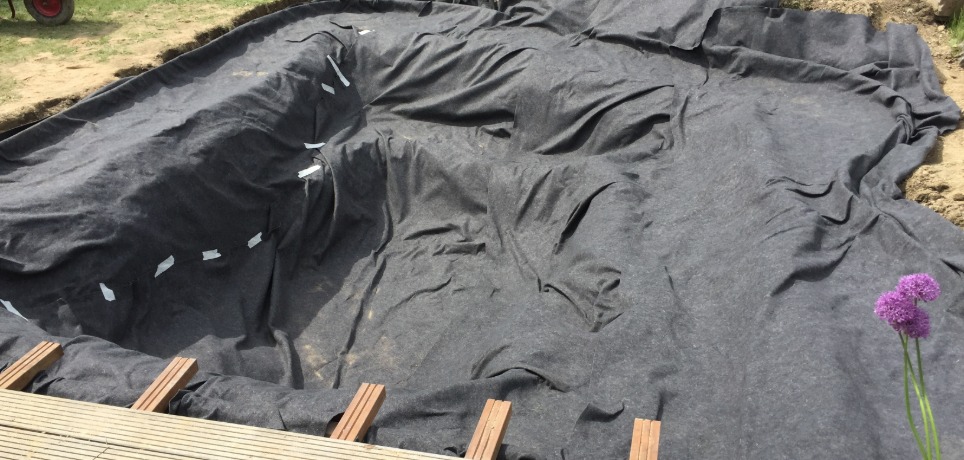
A pond liner does more than hold water in place. It supports the function, appearance, and long-term performance of the entire pond system. When a commercial, agricultural, golf course, or municipal pond needs dependable containment, the liner installation process deserves just as much attention as the liner material itself.
Professional installation helps pond owners avoid many of the problems that come from poor site prep, rushed layout, weak seams, or improper anchoring. A skilled crew understands how soil conditions, slope, water pressure, weather, and liner size affect the final result. That kind of experience can save time, reduce waste, and help the pond perform the way the project requires.
For large ponds, professional installation often makes the difference between a smooth project and a frustrating one. Crews bring the right equipment, the right installation plan, and the field experience needed to handle the details that can turn into expensive problems later. Continue reading to explore the benefits of professional liner installation for ponds.
Site Prep Sets the Tone
Every successful pond liner installation starts with the ground underneath it. If the subgrade contains sharp rocks, roots, debris, ruts, or soft pockets, the liner can face stress before the pond even fills with water. Professional installers know how to identify and correct these issues during site preparation.
A trained crew can shape the pond area, smooth the surface, and address weak spots that could cause movement after installation. They also pay close attention to slopes, edges, corners, and transitions. These areas often carry extra tension, so they need careful grading and compacting.
Site prep also affects how the liner lies across the pond basin. A clean, even surface helps reduce wrinkles, bridging, and unnecessary strain. When the liner rests properly against the prepared surface, the pond gains a stronger foundation for long-term performance.
Material Handling Makes a Difference
Large pond liners require careful handling. Even strong liner materials can suffer damage when crews drag them across rough ground, fold them incorrectly, or place too much stress on one section. Professional installers understand how to move, unfold, position, and adjust liner panels without creating avoidable damage.
This understanding becomes especially important with custom-fabricated liners and large panels. A professional crew can use the available space efficiently and reduce the number of field seams when the project design allows it. Fewer seams can streamline installation and help create a cleaner final layout.
Rubber pond liners and other flexible liner materials also need proper placement to perform well. Installers account for expansion, contraction, pond depth, slope angles, and anchor placement. They don’t just place the liner in the pond and hope it settles correctly. They guide the material into position with a clear plan.
Seams Need Skilled Attention
Seams play a major role in pond liner performance. A weak seam can create leaks, delays, and repair costs that disrupt the project. Professional installation helps reduce that risk because trained crews know how to prepare, align, and join liner sections correctly.
Before crews join panels, they check the liner surface and remove dirt, moisture, and debris that can interfere with seam quality. They also keep panels aligned so the seam doesn’t twist, stretch, or carry uneven tension. That attention helps the liner system work as one continuous barrier.
Seaming also requires the right tools and field conditions. Wind, temperature, dust, and moisture can all affect the process. Professionals know when conditions support quality work and when they need to adjust the installation approach. That judgment protects the liner and helps the pond stay on schedule.
Anchoring Protects the Edges
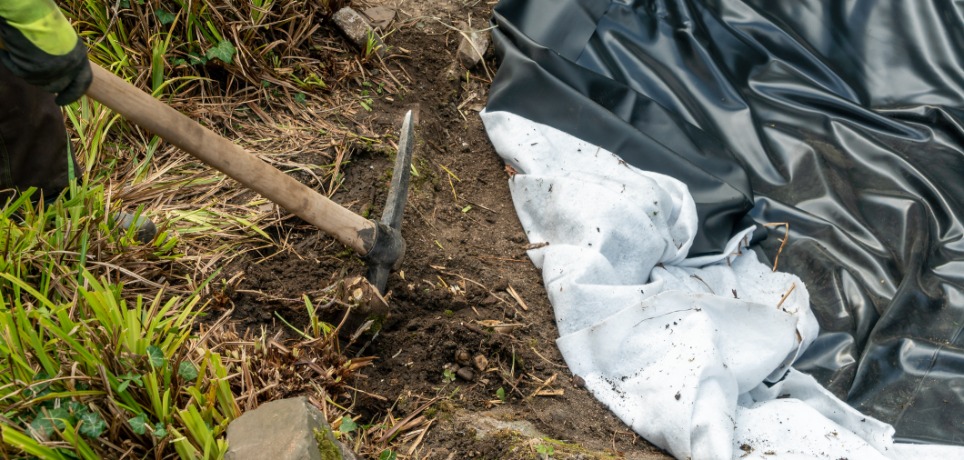
The pond edges need strong, clean anchoring. Without proper anchoring, the liner can shift, pull away from the bank, or create tension across the basin. Professional installers design the edge treatment around the pond’s shape, slope, and operating conditions.
Anchor trenches often secure the liner around the pond perimeter. Crews place the liner into the trench, backfill it, and compact the area so the edge stays stable. They also account for water movement, runoff, maintenance access, and nearby equipment traffic.
Good anchoring also improves the finished appearance of the pond. Clean edges give the project a more professional look and help reduce exposed liner that could face unnecessary wear. For commercial sites, that visual detail can support both function and presentation.
Professionals Plan for Water Pressure
Water creates constant pressure against a pond liner. As the pond fills, the liner must settle into place without pulling too tightly across slopes, corners, or bottom contours. Professional installers understand how to manage that pressure during layout and filling.
They place the liner with enough slack in the right areas so the material can conform to the pond shape. Too much tension can stress seams and corners. Too much slack can create folds that trap debris or interfere with maintenance. Experienced crews know how to balance those concerns.
They also watch the liner during the initial fill when the project allows. This step helps them catch movement, wrinkles, or edge concerns before the pond reaches full operating depth. That attention gives the liner a better chance to perform well from day one.
Installation Experience Reduces Delays
Pond liner installation can face plenty of moving parts. Weather changes, soil conditions, equipment access, liner delivery, crew coordination, and site safety can all affect the schedule. Professional installers bring experience that helps them keep the project moving.
They understand how to stage materials, plan panel placement, and coordinate equipment before the liner reaches the pond basin. That preparation can reduce downtime and prevent crews from making rushed decisions in the field.
Experience also helps when unexpected issues appear. A soft area in the subgrade, a sudden wind shift, or a change in site access can slow an inexperienced crew. A professional team can adjust quickly because they’ve handled similar conditions before.
Better Installation Can Lower Long-Term Costs
A low-cost installation can become expensive when leaks, liner damage, or edge failures appear later. Professional installation costs more upfront than a do-it-yourself or inexperienced approach, but it can reduce repair needs and protect the project investment.
Leaks can drain water, interrupt operations, and require time-consuming repairs. A poor seam or damaged liner section may require crews to lower the water level, locate the issue, clean the area, and patch the liner. Those repairs can disrupt irrigation, stormwater management, recreational use, or site operations.
A professionally installed liner helps reduce those risks because the crew focuses on proper preparation, placement, seaming, and anchoring. That careful work supports better long-term value and fewer surprises after the pond starts working.
Custom Fabrication Supports Smoother Projects
Many commercial pond projects benefit from custom-fabricated liner panels. When fabricators create larger panels before delivery, installers can often reduce the amount of field seaming required on-site. That can make the installation process cleaner and more efficient.
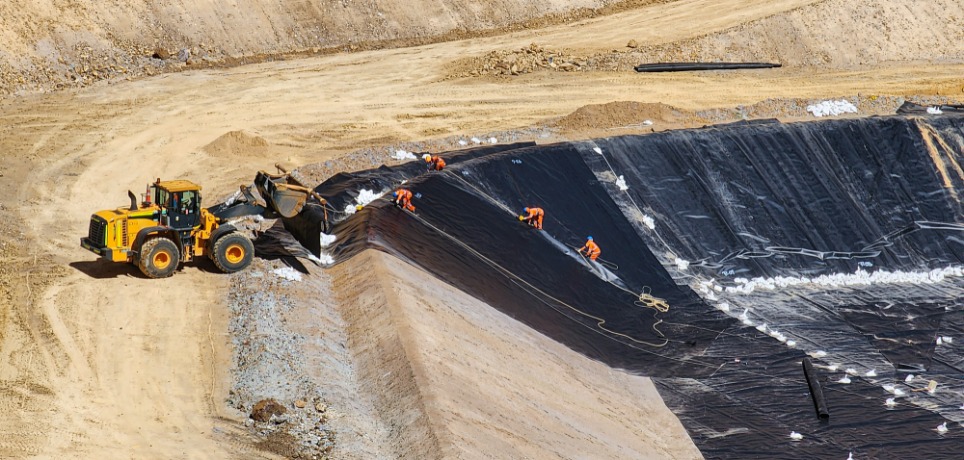
Professional crews know how to handle these larger sections safely. They plan the deployment path, position equipment correctly, and coordinate movement across the pond basin. Without that planning, large panels can become difficult to control, especially in windy conditions.
Custom fabrication also helps match the liner to the project’s dimensions. A better fit can reduce excess material, improve layout, and support a cleaner edge finish. Professional installation helps the project take full advantage of that fabrication work.
Safety Improves With the Right Crew
Large liner installations require careful movement across slopes, trenches, equipment paths, and open pond basins. Professional crews understand jobsite safety and know how to work around these conditions. They use the right lifting methods, communication, and equipment to reduce unnecessary risk.
The liner itself can also create slippery or unstable footing during placement. Wind can catch large panels and move them quickly. Crews need to coordinate their work so the material doesn’t shift unexpectedly or place workers in unsafe positions.
A trained installation team brings structure to the process. Clear roles, site awareness, and proper equipment help the crew work efficiently without treating safety as an afterthought.
The Finished Pond Performs Better
Professional liner installation supports better pond performance from the ground up. The liner fits the pond shape, the seams receive proper attention, the edges stay secure, and the material settles into place with less stress. Each of these details contributes to a stronger containment system.
For agricultural, municipal, construction, golf course, and commercial pond projects, performance carries real value. The pond may support irrigation, water storage, runoff control, or site operations. When the liner works well, the pond can do its job with fewer interruptions.
A professional crew also gives project owners more confidence during and after installation. They can answer questions, explain the process, and address site-specific concerns before small issues grow into bigger ones.
A Stronger Pond Starts With Skilled Installation
The liner material matters, but professional installation for a pond determines how well that material performs in the field. A quality liner still needs proper subgrade preparation, careful handling, skilled seaming, secure anchoring, and smart planning. Professional installers bring those pieces together.
For larger pond projects, that expertise can save time, reduce headaches, and protect the long-term value of the pond. A professional installation team doesn’t just place a liner. It builds a containment system that supports the pond’s purpose, handles site conditions, and stands up to daily use.
When a pond plays an important role on a property or worksite, skilled installation deserves priority. It gives the project a stronger start and helps the finished pond deliver dependable performance for years to come.