
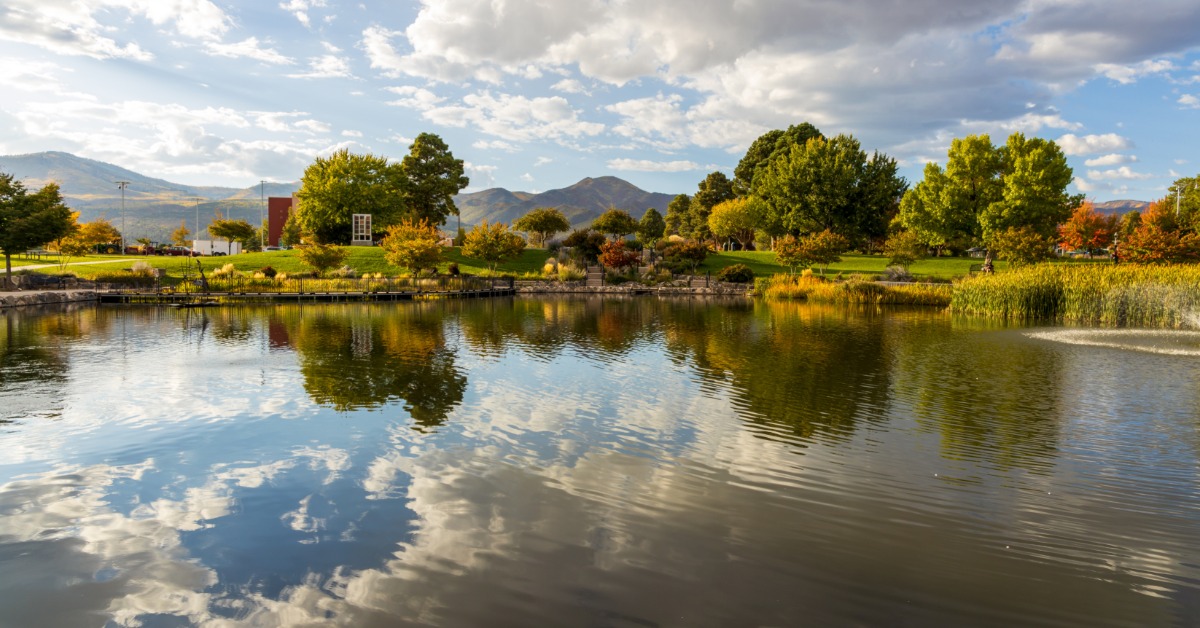
A large lake project begins long before crews arrive on-site. The most successful projects start with clear goals, accurate site details, and a realistic plan for how water, soil, weather, and daily use will shape the finished lake.
For commercial, agricultural, government, golf course, and construction projects, a custom liner can help create a stronger, cleaner, and more predictable water containment system. Planning early helps you avoid delays, reduce waste, and choose materials that fit the project rather than forcing a standard product onto a complex site. Here’s how to plan a large lake project with a custom liner.
Understand the Site
Every lake site has unique requirements. Soil type, slope, drainage, groundwater, access roads, and equipment space all influence the liner plan. A shallow recreational lake on a golf course will need a different layout than a large irrigation or retention lake.
Start with accurate measurements and a clear site map. Include depth changes, shelves, inlets, outlets, overflow areas, and any structures that will connect to the liner. Crews can use these details to plan panel sizes, seam locations, and installation steps, reducing surprises.
Choose the Right Liner
Custom lake liners perform best when the material and fabrication plan align with the site. Large prefabricated panels can reduce field seams, speed installation, and help crews cover more area with fewer complications. Western Environmental Liner specializes in custom-fabricated geomembrane linings for commercial applications, including pond liners, retention ponds, and canal liners.
Material selection should also consider durability, flexibility, weight, and long-term exposure. The goal isn’t just to line the lake. It’s to create a system that supports the water feature’s purpose and withstands real-world site conditions.
Plan for Installation Access
Large liners need room to maneuver. Before installation begins, review how crews will transport materials to the site, stage panels, operate equipment, and protect prepared surfaces. Limited access can slow the job, especially when crews need to unfold and position large panels.
The weather also plays a role. Wind, rain, and extreme heat can affect timing and handling. A practical schedule gives crews enough flexibility to work safely and keep the project on track.
Coordinate the Details Early
Custom liner projects involve more than the liner itself. Pipes, drains, concrete edges, anchor trenches, spillways, and embankments all require attention before installation. When teams coordinate these details early, they can avoid last-minute changes that increase costs or delay completion.
Western Environmental Liner’s audience often includes water districts, agricultural teams, government groups, golf courses, and construction professionals, so clear planning supports broader project goals and lead times.
Build With the End in Mind
A large lake project needs a liner plan that fits the site, the schedule, and the long-term use of the water feature. With accurate measurements, smart material choices, and early coordination, a custom liner can simplify installation and support dependable performance.
When you plan the details before the first panel arrives, the entire project runs more smoothly from excavation to final fill.