
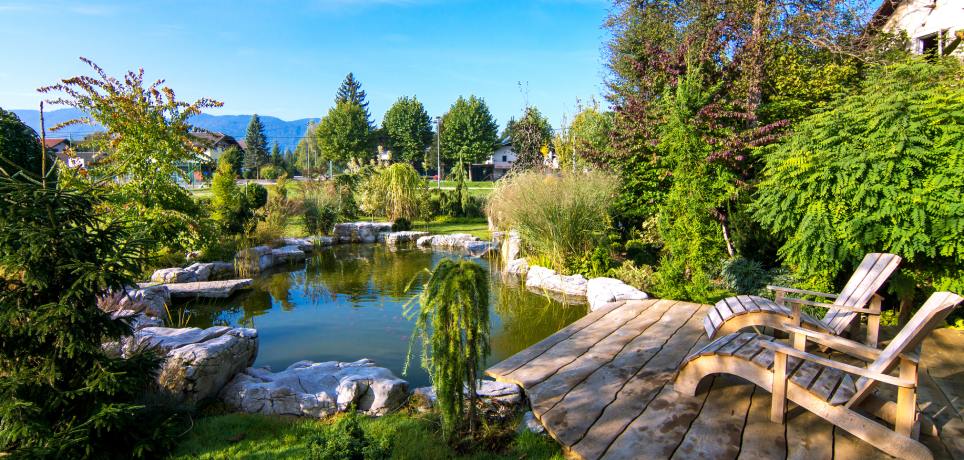
A backyard pond can look like a postcard one day and a murky science experiment the next. Leaves drop, fish stir up the bottom, and summer heat pushes algae into overdrive. If you want water that stays clean and clear, you don’t need complicated tricks or constant tinkering. You need a few smart habits that prevent the mess, keep water moving, and cut off algae before it takes control. Here’s how to keep your backyard pond clean and clear.
Start With Clear Expectations
A clean-looking backyard pond never stays perfect every day. Wind drops debris, fish food adds nutrients, and warm sun pushes algae growth. You can still keep pond water clear most of the season with simple habits and a plan you can actually follow.
Start by defining what “clean” means for the pond on the property. Some pond owners want glassy visibility for viewing plants and fish. Other pond owners care more about odor control and mosquito prevention. When you choose a priority, you make better decisions about filtration, circulation, and maintenance.
Stop the Mess Before It Hits the Bottom
Most pond problems begin with debris that sinks and turns into muck. Leaves, grass clippings, pollen, and uneaten food break down and feed algae. You can cut that nutrient load fast when you block debris early.
Skim the surface with a fine net several times per week during heavy leaf drop. Pull floating leaves before they waterlog and sink. Place a leaf net over the pond for a few weeks in fall if trees sit close by, and remove the net before snow or heavy rain weighs it down.
Also control what flows into the pond. Redirect downspouts, grade soil away from the edge, and keep fertilizer far from the shoreline. Runoff carries nutrients straight into the water, and algae thrives on those nutrients.
Circulation Makes Clarity Happen
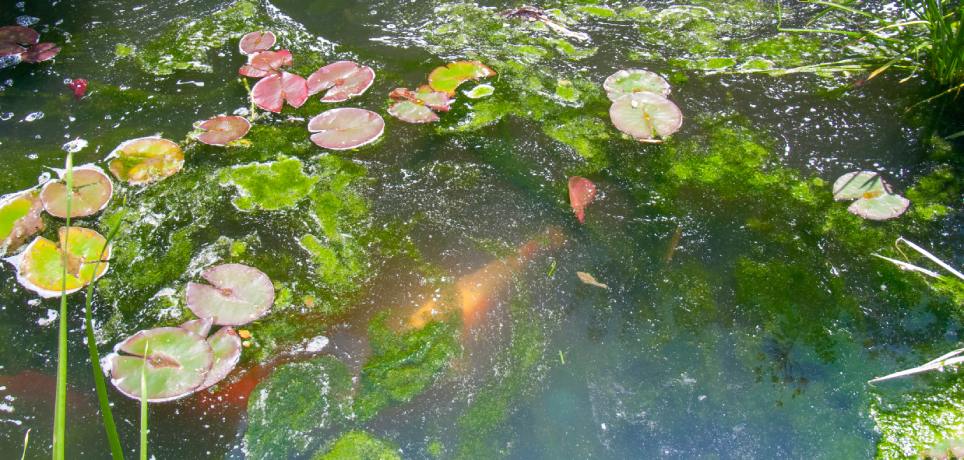
Stagnant water invites algae and smells. Moving water supports beneficial bacteria, keeps oxygen levels higher, and pushes fine particles toward filtration. You can get a lot of clarity from circulation alone.
Match pump flow to pond size and the pond’s shape. A long pond needs flow that reaches both ends, not just a strong stream in one corner. Aim water returns to create a gentle circular current, and adjust angles until you stop dead zones.
Add aeration if the pond holds more than a shallow puddle of water. An aerator lifts oxygen, reduces stratification, and helps bacteria process waste faster. Place diffusers where the pond collects the most muck, and keep the airflow steady during hot months.
Filtration That Works With You, Not Against You
Filtration does not fix neglect, but good filtration makes maintenance easier. Think in three parts: mechanical capture, biological breakdown, and optional polishing.
Mechanical
Mechanical filtration traps debris and suspended particles. Clean mechanical media frequently, especially in spring and early summer. A clogged filter forces the pump to work harder and pushes dirty water back into the pond.
Biological
Biological filtration grows bacteria that consume ammonia and nitrites from fish waste and decaying organic matter. Feed that bacteria colony with consistent water flow and stable oxygen. Avoid harsh cleanouts that strip the bacteria, and rinse filter pads in pond water instead of chlorinated tap water.
Polishing
If water still looks cloudy, add a polishing step. A properly sized UV clarifier can reduce green-water algae, and fine filter media can catch silt. Keep expectations realistic, because UV helps with single-cell algae, not string algae that clings to rocks.
Algae Control Without the Drama
Algae shows up in every pond, so focus on control instead of total removal. You can prevent most ugly blooms by limiting nutrients and balancing sunlight.
Start with shade. Add floating plants or marginal plants along the edge to reduce sun exposure. Plant coverage also competes for nutrients, which starves algae. Trim plant growth as needed so plants do not choke water circulation.
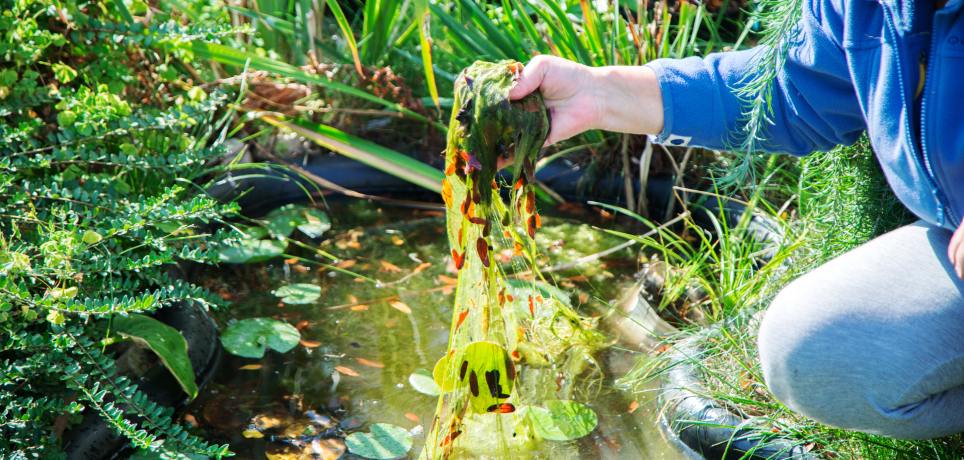
Remove string algae by hand when it appears. Use a rake or a twisted brush, and pull the algae out of the pond before it breaks apart. Toss removed algae away from the pond edge, because rain can wash nutrients right back into the water.
Limit feeding if fish live in the pond. Feed small portions, and stop feeding when fish ignore food. Uneaten pellets sink, rot, and spike nutrient levels.
Build a Weekly Routine You Can Actually Keep
A clear pond comes from small actions done often. A weekly routine beats a monthly panic cleanout every time.
Pick one day each week for quick maintenance. Skim surface debris, empty skimmer baskets, and check pump intake screens. Walk the pond edge and remove decaying plant matter before it drops into the water.
Also test water basics during warm months. Track pH and ammonia if fish live in the pond, and watch for sudden swings after heavy rain. When you catch problems early, you fix problems with simple adjustments instead of major interventions.
Seasonal Cleanups That Prevent Big Problems
Seasonal pond work feels annoying, but seasonal work saves time later. Spring and fall matter most for clarity.
In spring, remove winter debris and thin dead plant growth before warm sun accelerates decay. Clean filters and inspect hoses and fittings for leaks. Restart pumps gradually if the pond sat idle, and monitor water clarity for the first two weeks.
In fall, focus on leaf control and sludge prevention. Keep a net over the pond during peak leaf drop, and skim often. If the pond collects heavy organic buildup, vacuum pond muck before temperatures drop and bacteria slow down.
Sludge and Muck: Deal With It Before It Takes Over
Muck acts like a nutrient bank on the pond bottom. Every time water warms, that bank pays out in algae growth. You can reduce muck with removal and prevention.
Use a pond vacuum for spot cleaning if the pond size allows it. Target areas under waterfalls, near plant shelves, and along the downwind edge where debris collects. Work in sections so you do not churn the entire bottom at once, which can cloud water for days.
You can also support biological breakdown with beneficial bacteria products designed for ponds. Add them on a routine during warm months, and pair them with good aeration for better performance. Keep expectations grounded, because bacteria cannot digest rocks, sticks, or large leaf piles overnight.
When the Pond Liner Affects Water Quality
A pond liner does more than hold water. A damaged liner can trap debris in folds, create hidden pockets of decay, and complicate cleaning. Poor liner fit can also create steep wrinkles that catch sludge and make vacuuming miserable.
Check the liner edge every season. Look for exposed liner that sunlight can degrade, and look for areas where soil slips into the pond. Fix small edge issues early, because erosion adds sediment that clouds water.
Some pond owners manage larger decorative ponds or multi-use water features and want durability similar to water reservoir liners. Those projects often benefit from liner planning that reduces wrinkles, supports stable edges, and simplifies long-term maintenance. A well-fitted liner layout also helps water flow patterns, which improves clarity over time.
Keep It Clear Without Making It a Second Job
You don’t need perfection to enjoy a backyard pond. You need a simple routine, good circulation, and smart debris control. When you stop debris at the surface, keep filtration clean, and manage nutrients, the pond stays clear far more often than it turns ugly.
If the pond struggles with constant leaks, heavy folds, or difficult-to-clean corners, the pond may need better liner planning or a liner replacement that matches the pond’s shape. Western Environmental Liner can help with liner material options and fabrication for larger water features that demand long-term performance.
Clear pond water comes from consistent, simple moves. When you follow that rhythm, the pond looks better, smells better, and stays easier to manage week after week. If leaks, deep folds, or hard-to-clean corners keep dragging the pond backward, a better liner plan can make maintenance far less frustrating and clarity far more predictable.