
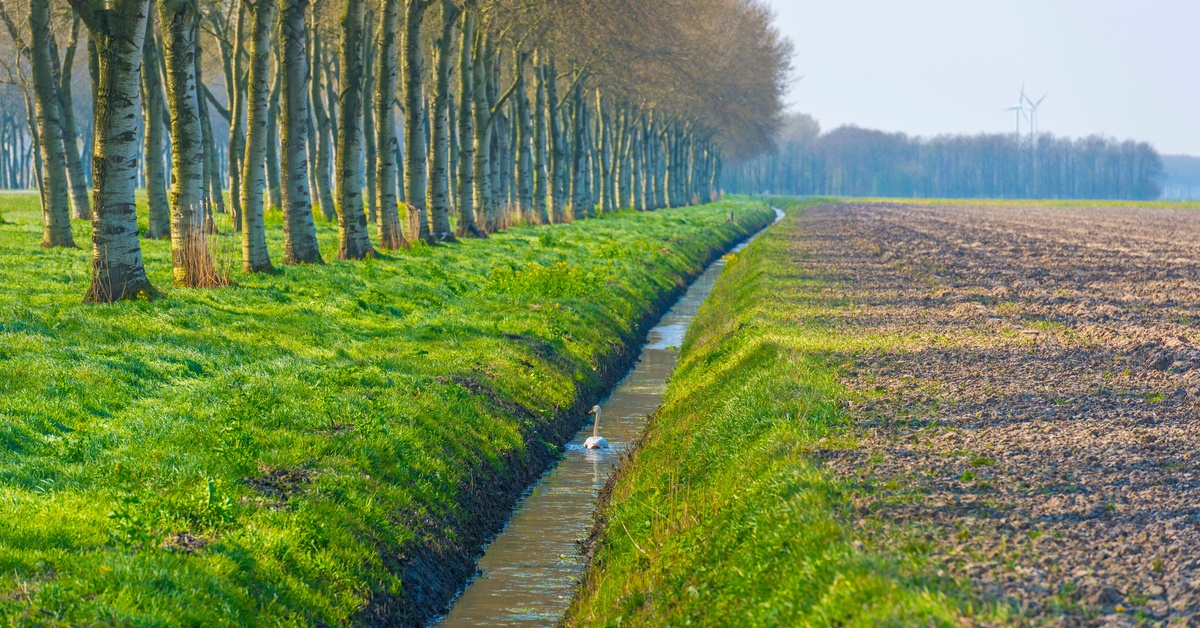
Farmers and land managers know the struggle of watching precious water disappear before it reaches the fields. You dig a channel, expecting it to carry resources from point A to point B efficiently, only to find that seepage, erosion, and invasive vegetation rob it of efficiency. Ditches serve as the essential arteries of agricultural irrigation and land drainage, yet an unlined earthen ditch often behaves more like a sieve than a funnel. The solution lies in reinforcing these channels. Ditch liners offer a practical method to manage flow, reduce loss, and maintain the integrity of your water systems.
Water management determines the success of almost every agricultural operation. When you lose water to the ground below or struggle with reduced flow rates due to crumbling banks, your entire operation suffers. Installing a high-quality liner transforms a simple trench into a highly efficient delivery system. This upgrade lets you control exactly where your water goes and how quickly it gets there.
Define the Ditch Liner
A ditch liner serves as a synthetic barrier between flowing water and bare earth. While a ditch is simply a narrow channel dug into the ground for drainage or irrigation, the liner serves as its protective skin. These geomembranes prevent water from interacting with the porous soil beneath, thereby fundamentally altering the channel’s hydraulics.
You might wonder how these differ from canal liners. While they perform similar functions, the distinction usually comes down to size. Ditches typically require narrower liners than the massive sheets needed for canals. Western Environmental Liner offers a wide selection of narrower liners, with options that match the specific dimensions and requirements of your project.
The primary function of the liner is containment. By creating an impermeable seal, the liner stops water from infiltrating the surrounding soil. This containment matters for two main reasons: it conserves water and protects the structural integrity of the ditch. Without a liner, friction between water and soil slows the flow, and gravity pulls a significant percentage of that water down into the water table rather than pushing it forward to your crops or the drainage basin.
Enhance Conveyance and Speed
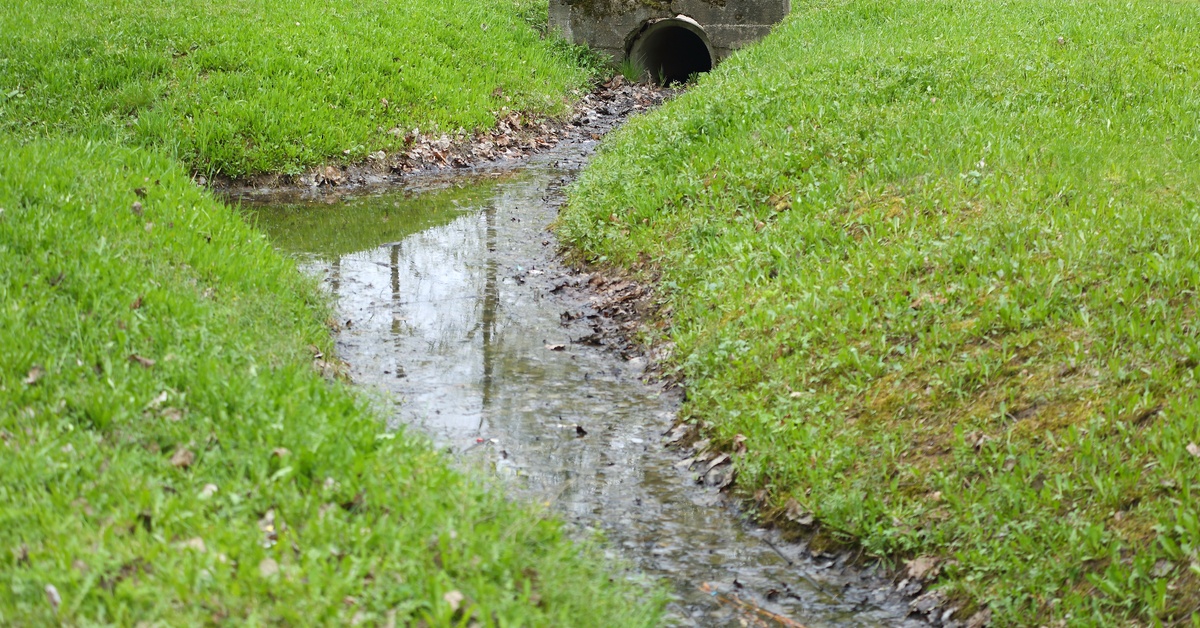
The most immediate impact of lining a ditch involves water conveyance. Earthen ditches have high friction levels. The rough surface of the soil, rocks, and uneven terrain creates drag on the water. This drag reduces the flow velocity. When you install a smooth synthetic liner, you drastically reduce this friction. Water slides over the material with minimal resistance, allowing it to travel faster and farther with the same initial pressure or gravity.
This increase in velocity does more than just move water quickly; it improves the overall efficiency of your system. You can move larger volumes of water in less time. For farmers relying on precise watering schedules, this speed translates directly to productivity. You spend less time waiting for water to reach the end of the field and more time focusing on crop management.
Prevent Erosion and Structural Collapse
Unlined ditches face a constant battle against the very element they carry. Moving water possesses immense power. As it flows through an earthen channel, it picks up soil particles and carries them away. Over time, this erosion wears away at the ditch’s banks. The walls become unstable and eventually crumble into the channel.
This crumbling creates a compounding problem. First, you lose the defined shape of your ditch, which can lead to water spilling over the banks in areas you did not intend. Second, the collapsed dirt creates blockages in the channel. These blockages impede flow, causing water to back up and potentially flood upstream areas.
A durable liner completely halts this process. It acts as a shield, absorbing the shear force of the moving water so the soil underneath remains undisturbed. The liner holds the ditch shape in place, maintaining the designed slope and depth necessary for optimal flow. Even with high-velocity water, the banks remain stable, and the channel remains clear of sediment buildup from internal erosion.
Stop Vegetation From Choking Flow
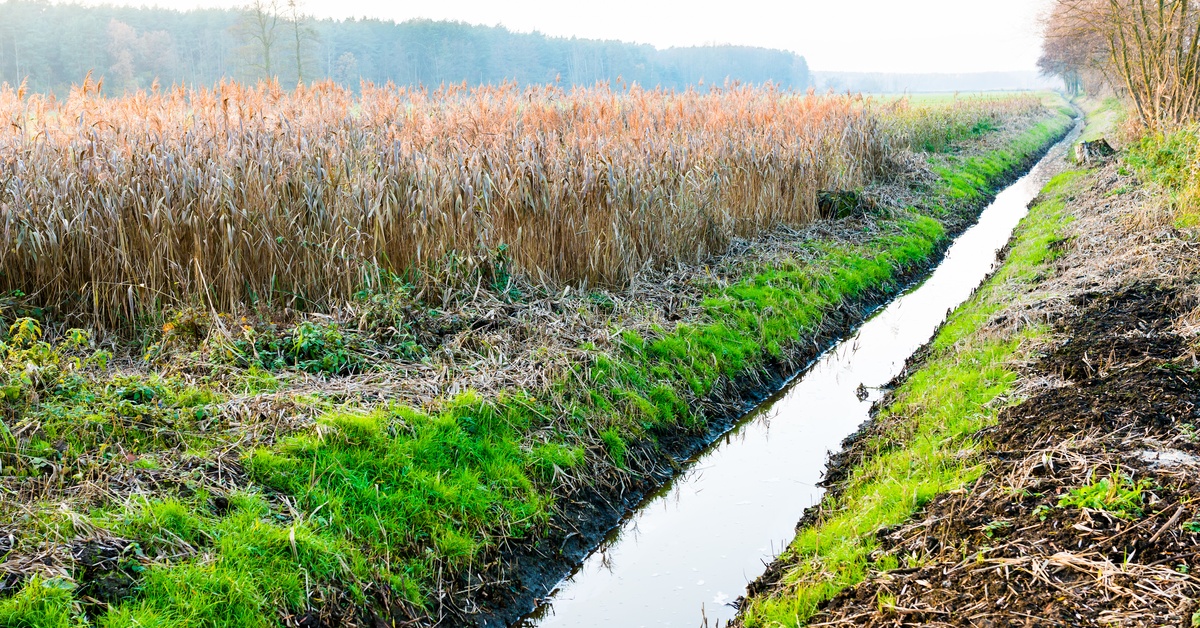
Weeds present a relentless headache for anyone maintaining an earthen ditch. Water and exposed soil create the perfect environment for unwanted vegetation. Cattails, reeds, and other invasive plants quickly take root in the bottom and sides of an unlined ditch.
These plants ruin water flow control. Their roots break up the soil structure, while their stems and leaves grow directly into the path of the water. This vegetation acts like a series of brakes, slowing the water down and reducing the capacity of the ditch. You might dig a ditch capable of handling a certain volume, but a heavy weed infestation can cut that capacity in half.
Lining the ditch denies these plants the foothold they need. The liner blocks roots from reaching the soil below. Without access to the earth, the weeds cannot establish themselves within the channel. This prevention saves you significant labor and money on maintenance. You stop wasting time dredging ditches or spraying herbicides, and your water maintains a clear path year-round.
Longevity and Concrete Stabilization
Many landowners assume concrete is the ultimate long-term solution, but it has vulnerabilities. The ground shifts, temperatures fluctuate, and concrete eventually cracks. When it cracks, water seeps through, eroding the soil beneath the heavy slabs. This undermining causes the concrete to buckle and fail, leading to expensive repairs.
Using a liner underneath concrete provides a critical safety net. It stabilizes the installation by maintaining consistent soil moisture. If the concrete cracks in the future, the liner remains a secondary shield, preventing leakage and stopping the erosion that can lead to catastrophic structural failure.
For those foregoing concrete, the liner itself offers impressive durability. Western Environmental Liner recommends using the strongest reinforced liner materials for these applications. These reinforced polyethylene materials resist punctures and tears, which proves vital when dealing with debris or fast-moving water.
Choosing Between Temporary and Long-Term Solutions
Every project operates on a different timeline, and your liner choice should reflect that. In some scenarios, you might only need to divert water for a single season or during a construction project. Installing a permanent fixture makes little sense in these contexts.
Temporary liners offer a distinct advantage here. You can install them quickly to address immediate needs, then remove them with ease once the project concludes. They allow straightforward reinstallation elsewhere if needed, providing flexibility for dynamic operations that frequently change layout.
However, for established agricultural operations or municipal drainage, long-term liners typically provide better value. High-quality liners often have a lifespan of more than 20 years. Choosing a long-term solution allows you to install the system and essentially forget about it. You eliminate the worry of annual maintenance or replacement. A 20-year warranty, like the one offered by Western Environmental Liner, gives you two decades of security, knowing your water flow control will remain consistent.
Applications in Agriculture
The agricultural sector benefits immensely from these advancements. An irrigation ditch liner specifically targets the needs of farmers and dairy operators who rely on consistent water delivery. In these industries, timing affects yield. Production will drop if watering the fields takes too long due to seepage or friction losses.
Western Ag Enterprises and Western Environmental Liner have spent years addressing the specific needs of dairies and farms. They understand that increasing the speed of watering cycles directly boosts farm production. By reducing the time it takes to get water across the field, farmers can irrigate more land in a day or adhere to tighter schedules that benefit crop health.
Specialized machinery now allows for the fabrication of extremely long liners. This capability proves essential for large agricultural tracts where ditches run for miles. While the weight of these massive liners poses a challenge, specialized equipment facilitates their installation. You can cover vast distances with fewer seams, creating a more secure and efficient channel for your water.
A Reliable Path for Water Management
Controlling water flow requires a ditch liner for containment and conveyance. Ditch lining provides the technology needed to turn a simple trench into a reliable infrastructure asset. By eliminating seepage, preventing erosion, and stopping weed growth, liners allow you to dictate exactly how your water moves.
Whether you run a large dairy operation that needs to optimize irrigation or a construction site that manages temporary runoff, the right liner makes the difference between a controlled system and a messy, inefficient headache.
Investing in the right materials and expert installation secures the future of your water management system. With options tailored to withstand rapid flow and resist tearing, modern liners offer a robust solution to age-old drainage problems. Stop letting your water manage you, and start managing your water with the right protection.